
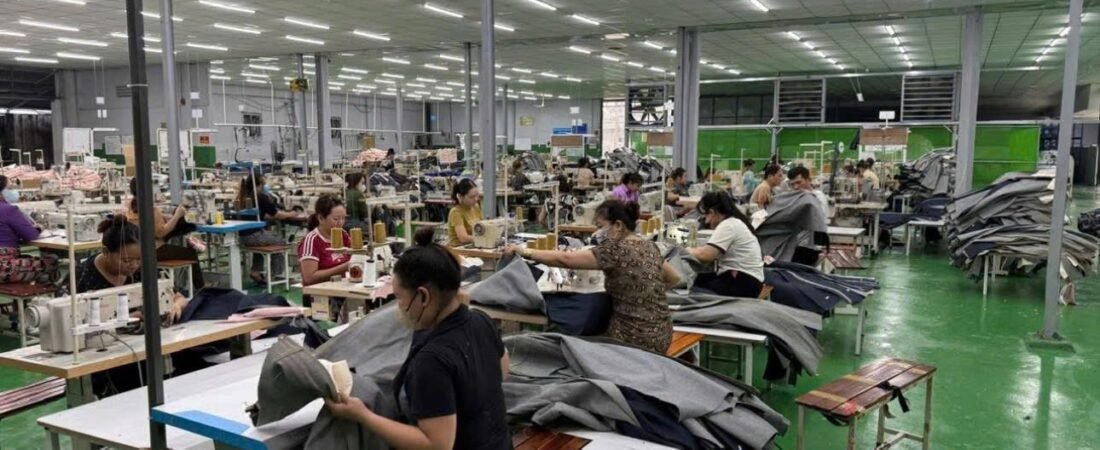
If you are choosing between Vietnam and Pakistan for your next clothing order, you are really choosing between two very different manufacturing philosophies. Pakistan is a vertically integrated, cotton-centred industry that is exceptionally strong in knitted basics, towels and home textiles. Vietnam is a diversified, export-oriented apparel hub with deep experience in synthetics, outerwear, sportswear and complex cut-and-sew programmes for Western brands. This guide compares Vietnam vs Pakistan garment manufacturing the way a buyer actually has to decide: product fit, landed cost, tariffs, minimum order quantities, lead time, fabric supply and compliance risk.
We are a Vietnam-based factory, so we will say plainly where Pakistan is the better answer. A comparison that only flatters one side is useless to a sourcing manager. Throughout, figures are described as commonly reported or as industry estimates; always verify current numbers with your own freight forwarder, customs broker and the factories you shortlist.
Table of contents
- Quick answer: which country wins?
- Market snapshot: scale and trade position
- Product fit: what each country does best
- Cost and pricing: where the real differences sit
- Tariffs and trade access in 2026
- MOQ, sampling and lead times
- Fabric supply and cotton
- Compliance, audits and brand risk
- Logistics and shipping
- A practical decision framework
- Sourcing from Vietnam with AT Garment Factory
- Frequently asked questions
- Conclusion
Quick answer: which country wins?
There is no universal winner, but there is a reliable rule of thumb. Choose Pakistan when your range is cotton-heavy knitwear (T-shirts, fleece, terry, basic polos), you want the lowest possible FOB price at high volumes, and you are comfortable managing compliance and energy-related delivery risk. Choose Vietnam when you need a broader product mix (polos, hoodies, jackets, sportswear, denim, kidswear), want lower minimums to test a new line, value stable lead times, or need preferential access to markets covered by Vietnam’s trade agreements.
- Best for basic cotton knits at scale: Pakistan, thanks to domestic cotton, spinning and knitting capacity.
- Best for mixed categories and technical styles: Vietnam, with strong sportswear, outerwear and cut-and-sew depth.
- Best for small and mid-size brands: Vietnam, where private label programmes can start at a few hundred pieces per style.
- Best for US-bound orders in 2026: depends on the tariff position of each country at the time you ship, so check it before you place a deposit.
Market snapshot: scale and trade position
Both countries are major apparel exporters, but their profiles differ. Vietnamese industry reporting suggested textile and garment exports of roughly US$46 billion for 2025, which keeps Vietnam among the world’s top apparel exporters. Pakistan’s textile exports have been reported at around US$17.9 billion for the 2025/26 fiscal year, with a heavy weighting toward cotton products and home textiles rather than fashion apparel.
That scale gap matters less than the mix. Pakistan’s strength is upstream: it grows cotton, spins yarn and weaves or knits fabric at home. Vietnam’s strength is downstream: it assembles finished garments for global brands, often using imported fabric, and has built a large ecosystem of sewing, finishing and compliance know-how around that. If you want a deeper look at how Vietnam stacks up against other Asian competitors, see our comparisons of Vietnam vs India, Vietnam vs Bangladesh and Vietnam vs China.
Product fit: what each country does best
Where Pakistan is strong
Pakistan is a natural home for 100% cotton jersey, interlock, rib, fleece and terry. Mills in Faisalabad, Lahore and Karachi run vertically integrated operations, so yarn, knitting, dyeing and sewing can sit within one group. For basic crew-neck T-shirts, plain hoodies, sweatpants and towelling products in large quantities, that integration is a real cost and control advantage.
Where Vietnam is strong
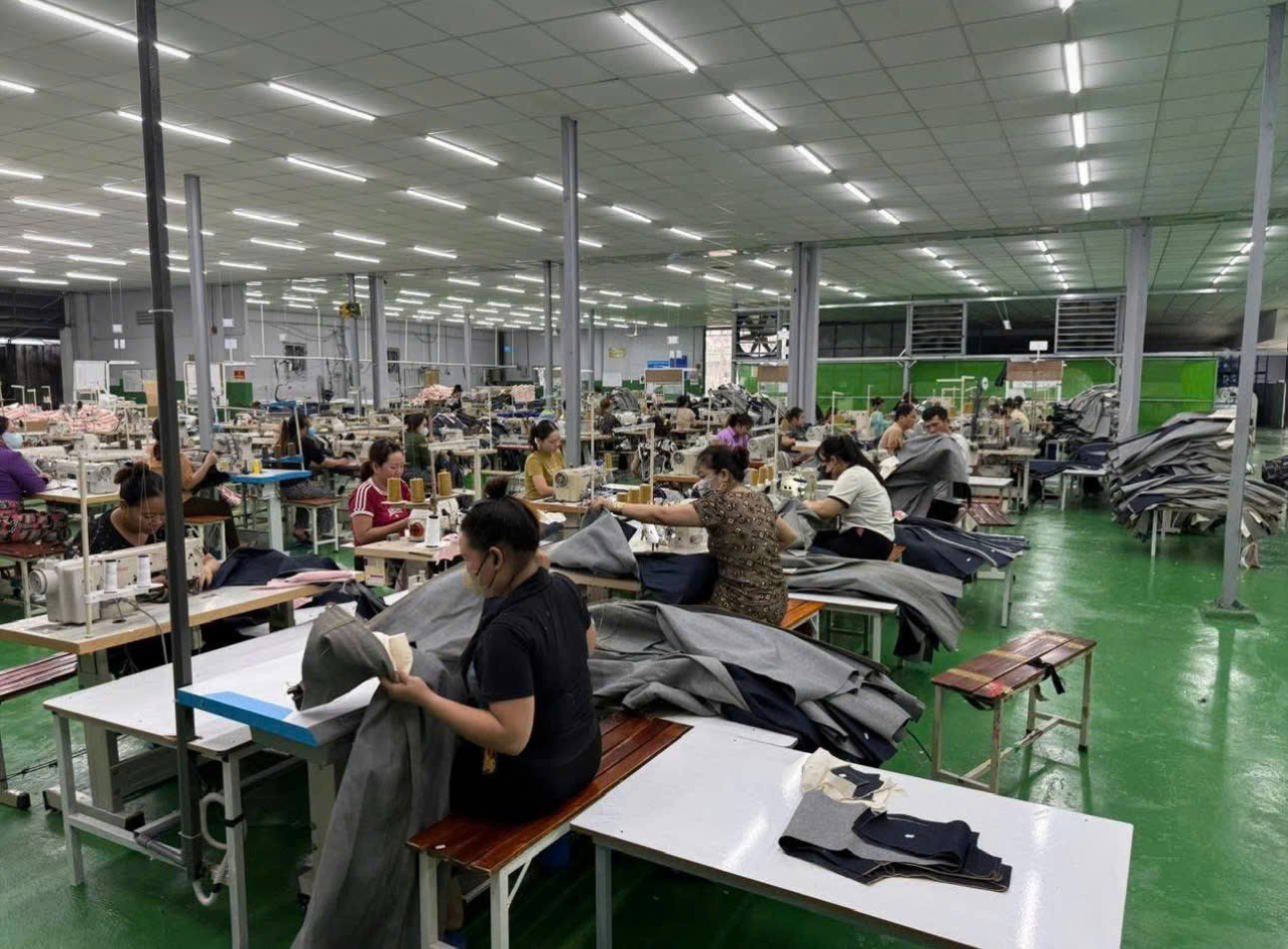
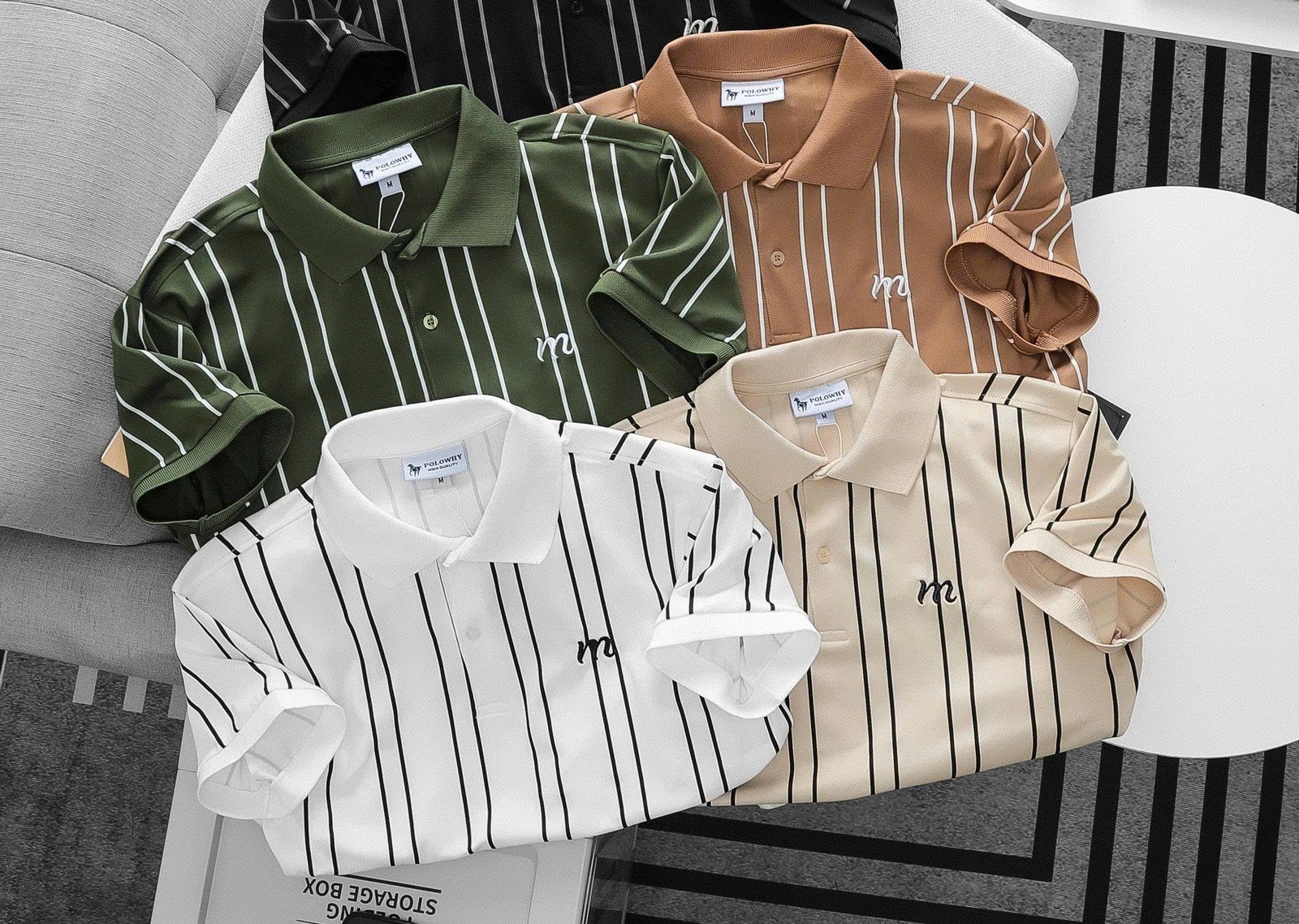
Vietnam has built a reputation in categories that need more sewing complexity: polo shirts with plackets and collars, performance sportswear, jackets and outerwear, denim and kidswear. Many global sportswear and fashion brands already run programmes there, which means local factories are used to detailed tech packs, strict trims and packaging requirements. Our own range covers polos, T-shirts, hoodies, sweatshirts, denim, khaki jackets, kidswear and uniforms; see our guides to hoodie and polo shirt manufacturing, sportswear and denim.
A simple test: the more seams, components and fabric types in a style, the more likely Vietnam is a good fit. The simpler and more cotton-dominant the style, the more Pakistan’s integrated chain pays off.
Cost and pricing: where the real differences sit
Buyers often compare quoted FOB prices and stop there. That is a mistake, because FOB is only one layer of total landed cost. When comparing Vietnam vs Pakistan garment manufacturing, build a landed-cost model that includes the following:
- Fabric cost: Pakistan can be very competitive on domestic cotton knits. Vietnam usually imports many fabrics, so its price depends on the fabric source and its origin rules.
- Labour and productivity: headline wages are commonly reported as lower in Pakistan, but output per operator, defect rates and rework change the real cost per good piece.
- Energy and financing: Pakistani manufacturers have repeatedly cited high energy prices and expensive financing as pressure points, which can show up as price revisions or delivery slippage.
- Duty: the tariff your buyer pays at the destination port can outweigh a few cents of FOB difference.
- Freight and transit time: Vietnam’s southern ports are close to major trans-Pacific lanes; Pakistan ships from Karachi, which suits Middle East and Europe routings well.
- Quality cost: inspection failures, air-freight rescues and chargebacks can erase an apparent saving instantly.
In practice, we see Pakistan win the price comparison on plain cotton knits at volume, and Vietnam win or tie on anything with more construction detail or blended and synthetic fabrics. Always request quotes on an identical tech pack, identical GSM and identical trims, otherwise you are comparing different products.
Tariffs and trade access in 2026
Trade policy is the most volatile variable in sourcing right now, so treat any figure below as a snapshot to verify. Press coverage in mid-2026 reported a new 10% ad valorem tariff on Pakistani imports into the United States under Section 301, with analysts estimating a meaningful hit to Pakistan’s textile exports. Vietnam, for its part, has faced its own evolving US tariff arrangements since 2025. Rates, exemptions and rules of origin have changed repeatedly, so confirm the current position with a customs broker before you commit to a country.
On the other side of the Atlantic, preferential access matters just as much. Vietnam benefits from agreements including the EU-Vietnam FTA (EVFTA), CPTPP and RCEP, which can reduce duties for qualifying garments, though yarn-forward style origin rules often mean the fabric source must be considered. Pakistan has historically relied on the EU’s GSP+ scheme for duty-free access, which comes with ongoing conventions and monitoring requirements. For a European-focused comparison, read our guide to Vietnam vs Turkey for European brands.
- Ask every supplier which Incoterm and which origin certificates they will supply.
- Check whether your fabric choice affects preferential duty eligibility.
- Model a downside tariff scenario before you set your retail price.
MOQ, sampling and lead times
Pakistani mills often run efficiently at high volumes, so minimums per style and per colour can be larger, particularly when fabric is dyed to order. Vietnam’s factories, especially mid-size OEM/ODM operations, tend to be more flexible. At AT Garment Factory, for example, minimums start from around 50 pieces for blank apparel, 100 pieces for printed items, 200 pieces for OEM branded programmes and 2,000 pieces for categories such as hoodies, polos and uniforms. Our separate guide to low-MOQ clothing manufacturing in Vietnam explains how those minimums work.
Sampling and development
Sampling speed depends more on the individual factory than the country, but a few patterns hold. Vietnam-based factories serving fashion and sportswear brands usually have in-house pattern makers and sample rooms, so first prototypes can move quickly. In Pakistan, development is fast for knits made from in-house fabric, and slower where trims or specialised fabrics must be sourced. Whichever country you choose, agree a sample approval flow in writing: proto sample, fit sample, pre-production sample, then top-of-production check.
Production lead time
- Plan roughly 45 to 75 days from approved pre-production sample to ex-factory for typical orders, longer in peak season or when fabric must be developed.
- Add transit: ocean freight from Vietnam to the US West Coast is commonly 3 to 5 weeks door to port; Karachi to Europe or the Gulf is typically shorter than to North America.
- Build buffer for Lunar New Year in Vietnam and for Eid periods in Pakistan, when output and shipping slow.
Those ranges are planning heuristics, not guarantees. Ask each factory for a written capacity plan with line numbers, not just a promised date.
Fabric supply and cotton
This is the single biggest structural difference. Pakistan sits near the top of the world in cotton production and consumption, and its mills convert that cotton to yarn and fabric domestically. That shortens the supply chain for cotton garments and reduces dependence on imported fabric. However, cotton harvests, floods and import needs can swing availability and price.
Vietnam imports a large share of its fabric, mainly from China, South Korea and Taiwan, and from increasingly capable domestic mills. The benefit is variety: technical knits, stretch wovens, denim and performance fabrics are all accessible. The drawback is a longer fabric lead time and origin-rule complexity. If your product leans on responsible cotton claims, our guide to organic cotton and GOTS production in Vietnam and our comparison of French terry vs fleece will help you specify materials properly.
Compliance, audits and brand risk
Compliance is where brand reputation is won or lost. Both countries have factories audited to major social and environmental standards, and both have factories that are not. The country matters less than the individual facility, so evaluate each supplier on its own evidence.
- Request current social compliance audit reports (for example, amfori BSCI, SMETA or WRAP) and check their dates.
- Ask about subcontracting: unauthorised subcontracting is a leading cause of audit failure in every country.
- Confirm fire safety, working hours and wage records, and chemical management (for example, ZDHC-aligned processes) for dyeing and printing.
- For US-bound goods, ask how the factory manages forced-labour traceability, especially for cotton origin, given the heightened enforcement attention.
Quality control is the other half. Whatever country you pick, set measurable acceptance criteria, use AQL inspection, and keep a third-party or in-house inspector on the pre-shipment check. See how we approach this in our quality control process.
Logistics and shipping
Logistics should shape your choice rather than follow it. Vietnam ships mainly from Ho Chi Minh City (Cat Lai, Cai Mep) and Hai Phong, with strong direct services to the US, Europe and Asia. Cai Mep can take large vessels directly to North America and Europe. Pakistan’s garment exports largely move via Karachi (and Port Qasim), with a good position for the Gulf, Europe and the Mediterranean, and longer routes to the US East and West Coasts.
Consider also the consolidation options for small brands. Vietnam’s established forwarding and LCL ecosystem makes smaller shipments straightforward. Whichever route you choose, ask for FOB pricing with named port, a full packing specification and carton marks, and decide early who books freight.
A practical decision framework
Use this checklist to move from a general comparison to a decision for your own product line:
- Step 1, product: If more than 70% of your range is plain cotton knit basics, request quotes from Pakistan. If the range includes polos, jackets, denim, sportswear or kids’ items, include Vietnam.
- Step 2, volume: Below a few thousand pieces per style, Vietnam’s flexibility usually fits better. Above tens of thousands of basic pieces per style, Pakistan’s integration can deliver the best price.
- Step 3, destination: Model duty for your actual destination market using current rules, not last year’s.
- Step 4, risk: Dual-source if one country represents more than half of your supply. Many brands split basics to Pakistan and complex styles to Vietnam.
- Step 5, proof: Order a paid sample from your top two suppliers in each country and compare measurements, hand-feel, wash performance and communication quality before any bulk order.
If you are still working out how a first order flows, read our buyer’s guide to ordering custom clothing and our explainer on OEM vs ODM.
Sourcing from Vietnam with AT Garment Factory
AT Garment Factory is a Vietnam-based manufacturer in Binh Tan District, Ho Chi Minh City, with more than 10 years of experience and monthly capacity above 100,000 pieces. We produce polo shirts, cotton T-shirts, sportswear, kidswear, menswear and womenswear, denim and khaki jackets, hoodies, sweatshirts and uniforms for importers, buying offices, fashion brands, Amazon and TikTok Shop sellers and corporate uniform buyers. We work under OEM, ODM, private label and white label models. Browse our product range and services, or go straight to the contact page to share a tech pack.
Common mistakes when comparing the two countries
Most failed sourcing switches come from a handful of avoidable errors. First, buyers compare a Pakistani quote built on mill-dyed cotton jersey with a Vietnamese quote built on a different GSM or a blended fabric, then conclude one country is expensive. Lock the specification before comparing price. Second, buyers ignore the cost of time: a cheaper price that arrives three weeks late can force air freight or a missed selling window, which costs far more than the saving.
Third, brands forget currency and cost volatility. Quotes in US dollars can still be revised if energy, cotton or wage costs move, so agree how and when prices can change, and what happens if fabric prices spike after you confirm the order. Fourth, many first-time buyers skip the paid sample. A sample costs a small fraction of a bulk order and reveals fit, shrinkage, colour fastness and communication habits that no brochure will show.
- Compare identical tech packs, fabric weights and trims.
- Quote on the same Incoterm and the same destination port.
- Ask for the factory’s actual on-time delivery record, not just its promised lead time.
- Keep a second approved supplier ready, ideally in a different country.
Frequently asked questions
Is Vietnam or Pakistan cheaper for garment manufacturing?
Pakistan is often cheaper for plain cotton knits at high volume because of its integrated cotton supply chain. Vietnam is often competitive or better on complex or synthetic styles once rework, lead time and duty are included. Compare landed cost, not FOB.
Which country has lower MOQs?
Vietnam’s mid-size OEM factories generally offer lower and more flexible minimums, especially for private label and test orders. Pakistani mills usually prefer larger runs per colour and style.
Is Pakistan or Vietnam better for the US market in 2026?
It depends on the tariff rates and origin rules in force when you ship. Both countries have faced changing US trade conditions, so confirm current duties with a customs broker before committing.
Which country is better for sportswear and polos?
Vietnam has deeper experience in sportswear, polos and outerwear for global brands. Pakistan is stronger in cotton basics, fleece and terry.
Can I source from both countries at once?
Yes, and many brands do. A common split is basics from Pakistan and more complex styles from Vietnam, which diversifies tariff and supply risk.
How do I verify a factory in either country?
Check business registration, recent audit reports, equipment and production capacity, ask for client references and order paid samples. A video walkthrough or visit is the most reliable check.
Conclusion
The Vietnam vs Pakistan question comes down to what you make, how much you make and where you sell. Pakistan rewards high-volume cotton basics; Vietnam rewards diversified, higher-complexity ranges and brands that need lower minimums and dependable execution. Run a landed-cost model, verify tariffs on the day you order, and test with real samples. If your range fits Vietnam, we would be glad to quote it.
Ready to request a quote? Email thanhtung113123@gmail.com, message us on WhatsApp or Zalo, and send your tech pack, target quantity and destination market.