If you’re a fashion brand, an Amazon or TikTok Shop seller, or a retail buyer trying to launch your own clothing line without building a factory, private label manufacturing is almost always the fastest, cheapest way in. Vietnam has become one of the top three countries in the world for it — but “find a factory in Vietnam” is not a strategy. Knowing how private label actually works, what it costs, what MOQ really means for your product, and how to vet a factory before you wire a deposit is the difference between a smooth first order and a costly mistake.
This guide breaks down exactly how private label clothing manufacturing works in Vietnam in 2026: the real MOQ tiers, the step-by-step production process, what it costs, how to choose a factory, and the mistakes that trip up first-time brand owners. Written from the floor of a working Vietnamese garment factory, not a directory listing.
Table of Contents
- Why International Brands Choose Vietnam for Private Label Manufacturing
- What Is Private Label Clothing Manufacturing?
- Understanding MOQ for Private Label Orders in Vietnam
- The Private Label Manufacturing Process, Step by Step
- Typical Timeline: From Inquiry to Delivery
- What Products Can You Private Label With a Vietnam Factory?
- How to Choose the Right Private Label Partner in Vietnam
- Private Label Manufacturing Costs: What Affects Your Price
- Sustainability and Ethical Manufacturing
- Why Brands Choose AT Garment Factory for Private Label Production
- Frequently Asked Questions
- Conclusion
Why International Brands Choose Vietnam for Private Label Manufacturing
Vietnam is now the world’s second- or third-largest garment exporter depending on the year, behind only China (and sometimes Bangladesh), with apparel and textile exports commonly reported in the range of USD 44–46 billion in 2025. That scale matters for a private label brand because it means deep fabric mills, trim suppliers, printing houses, and finishing plants are already sitting inside the same supply chain your factory works in — you’re not asking one factory to invent a supply chain for you.
- Cost: industry figures commonly cite production costs 15–30% lower than China and 30–50% lower than manufacturing in the US or EU, largely driven by labor costs — garment workers’ wages are commonly reported in the USD 250–350/month range depending on region and role.
- Scale of the industry: Vietnam is home to an estimated 6,000+ garment factories, giving brands real choice between small ateliers and large-volume exporters rather than a single dominant supplier.
- Trade agreements: Vietnam is party to 17 free trade agreements, including the CPTPP and the EU–Vietnam FTA (EVFTA), which reduce or eliminate import tariffs into major markets including the EU, UK, Canada, Australia, and Japan — a direct cost advantage private label brands don’t get sourcing from some competing countries.
- Workforce experience: decades of OEM production for global brands (Nike, Adidas, Uniqlo, and H&M are commonly cited as having sourced from Vietnam) means the skilled-labor base for cutting, sewing, printing, and finishing is already mature — not something a new factory is training from zero.
For a country comparison with real numbers, see our breakdown of Vietnam vs China and Vietnam vs Bangladesh for clothing manufacturing.
What Is Private Label Clothing Manufacturing?
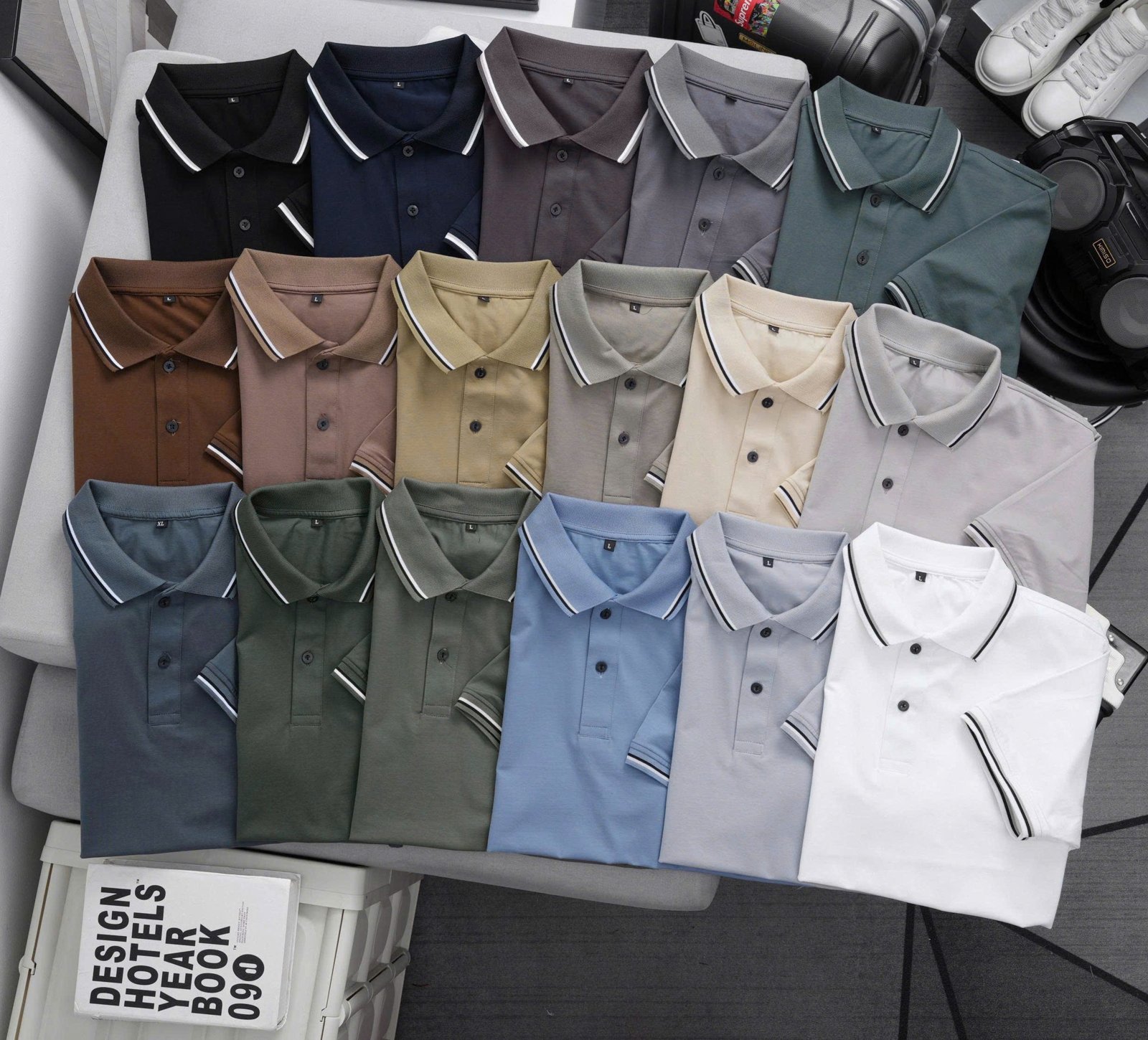
Private label means a factory manufactures a garment using its own existing patterns, fabrics, and construction methods — then finishes it with your brand: your woven or printed label, your hangtag, your barcode, your poly bag or box. You’re not designing the garment from scratch; you’re branding a well-made product that’s quick to sample and fast to reorder. It’s the model most Amazon apparel brands, TikTok Shop sellers, and boutique streetwear labels use to launch, because it needs far less lead time and far less MOQ than fully custom development.
Private Label vs. OEM vs. ODM vs. White Label — What’s the Difference?
These four terms get used interchangeably online, but they mean different things to a factory quoting your order:
- Private label: the factory’s existing product, your branding only. Fastest and cheapest way to launch.
- White label: essentially the same as private label — a generic product any brand can put their label on, usually with no exclusivity.
- OEM (Original Equipment Manufacturer): the factory builds the garment to your specifications — your tech pack, your fabric choice, your fit — but you supply the design.
- ODM (Original Design Manufacturer): the factory’s design team develops the garment for you from a concept or reference, including pattern-making — best when you don’t have an in-house designer.
Most brands actually move through this ladder: start private label to test the market with low risk, then graduate to OEM or ODM once a style proves it sells and you want it exclusive to your brand. We cover this decision in more depth in OEM vs ODM: Which Garment Manufacturing Model Is Right for Your Brand?
Understanding MOQ for Private Label Orders in Vietnam
MOQ (minimum order quantity) is the single biggest factor that filters out factories for a new brand. Industry-wide, private label MOQs commonly range from as low as 50–500 pieces per style at small-batch/low-MOQ factories, up to 1,000–5,000 pieces per style at mid-tier exporters that aren’t set up for short runs. Confirm this early — it’s the fastest way to know if a factory actually fits your stage of business, not just their marketing page.
At AT Garment Factory, our MOQ is tiered by product type and customization level, not a single flat number:
- Blank / wholesale styles: from 50 pieces per style — ideal for testing a new SKU before committing to branding.
- Custom printed private label: from 100 pieces per style.
- Branded OEM programs (your labels, trims, packaging): from 200 pieces per style.
- Hoodies, polos, and uniform programs: typically from 2,000 pieces, reflecting the higher fabric and trim minimums these categories carry.
Our overall factory capacity runs over 100,000 garments per month, so once a style is validated, scaling from a 200-piece pilot to a 20,000-piece reorder doesn’t mean switching factories mid-growth — a real problem brands hit when they start with a micro-factory that can’t scale with them.
The Private Label Manufacturing Process, Step by Step
Here’s what actually happens between “I want to start a clothing brand” and boxes landing at your warehouse:
1. Consultation and Product Selection
You share your product idea, target price point, and rough quantity. The factory recommends which existing blanks or base styles fit, or scopes a custom development if nothing off-the-shelf matches. This is also when MOQ, lead time, and payment terms get confirmed — do this in writing before you move forward.
2. Fabric, Trim, and Label Sourcing
The factory sources or confirms fabric (cotton, polyester blends, French terry, denim, performance knits, etc.), plus your trims — woven labels, hang tags, drawcords, zippers — based on what you supply or what they source on your behalf.
3. Sample Development and Approval
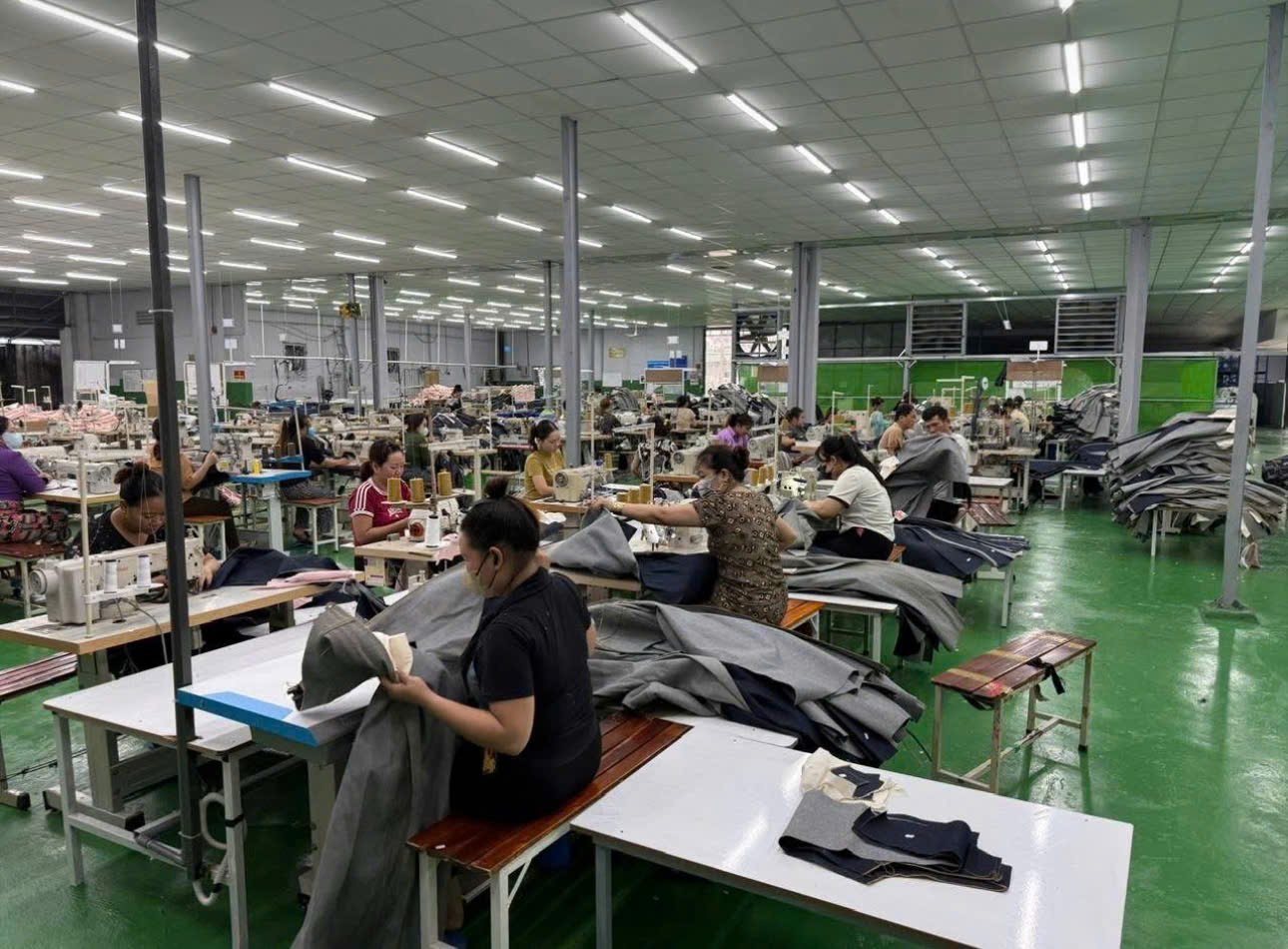
You receive a physical sample with your label and packaging applied before bulk production starts. This is the checkpoint to confirm fit, fabric hand-feel, print/embroidery placement, and label accuracy — never skip this step to save a week of lead time, since fixing a fit issue after 2,000 units are cut is far more expensive than fixing it on one sample.
4. Bulk Production
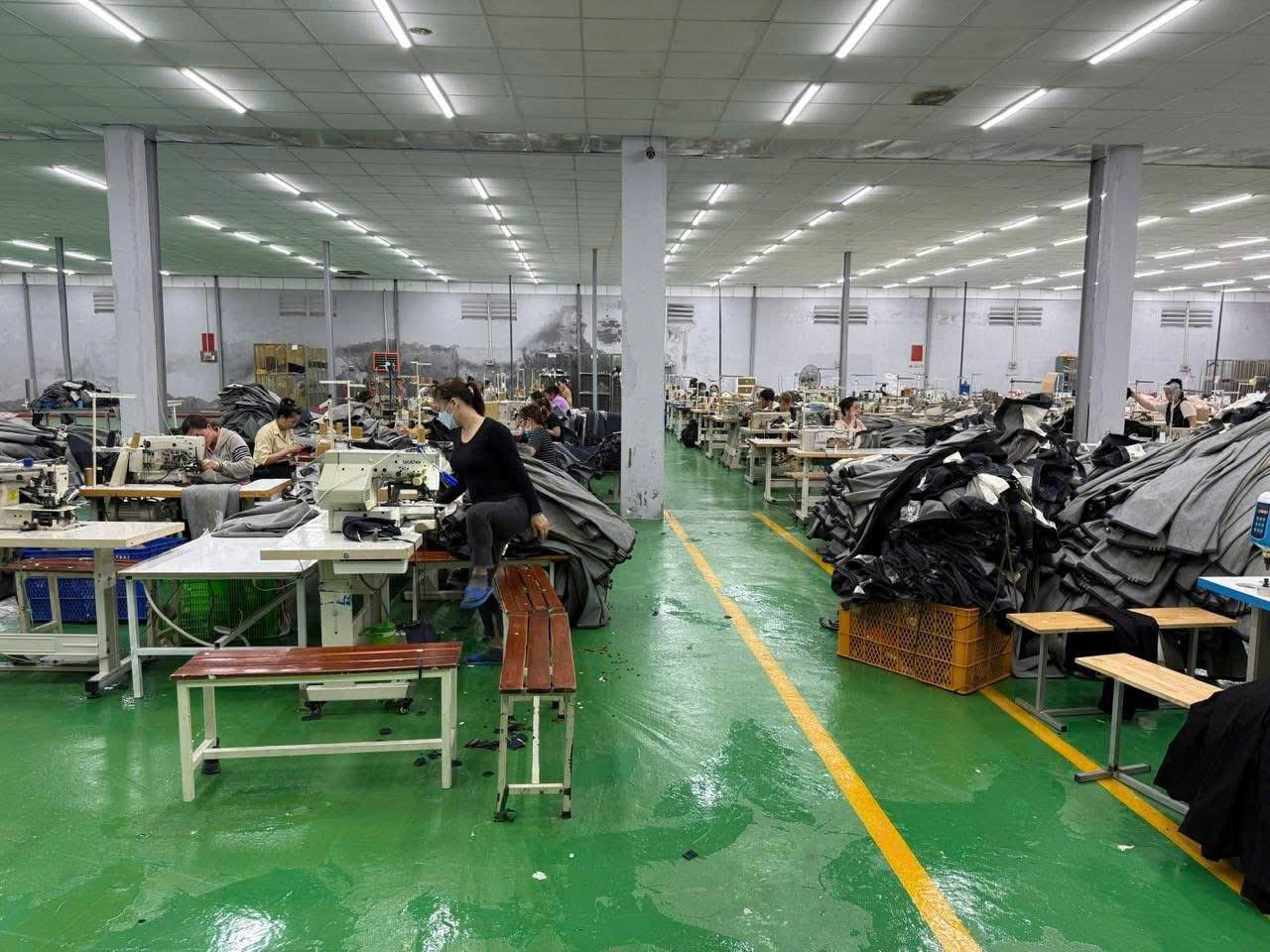
Once you sign off on the sample, cutting and sewing begin at volume. Lead time depends on order size and product complexity — a blank t-shirt reorder moves faster than a first-run hoodie with custom embroidery and a new label supply chain.
5. Quality Control
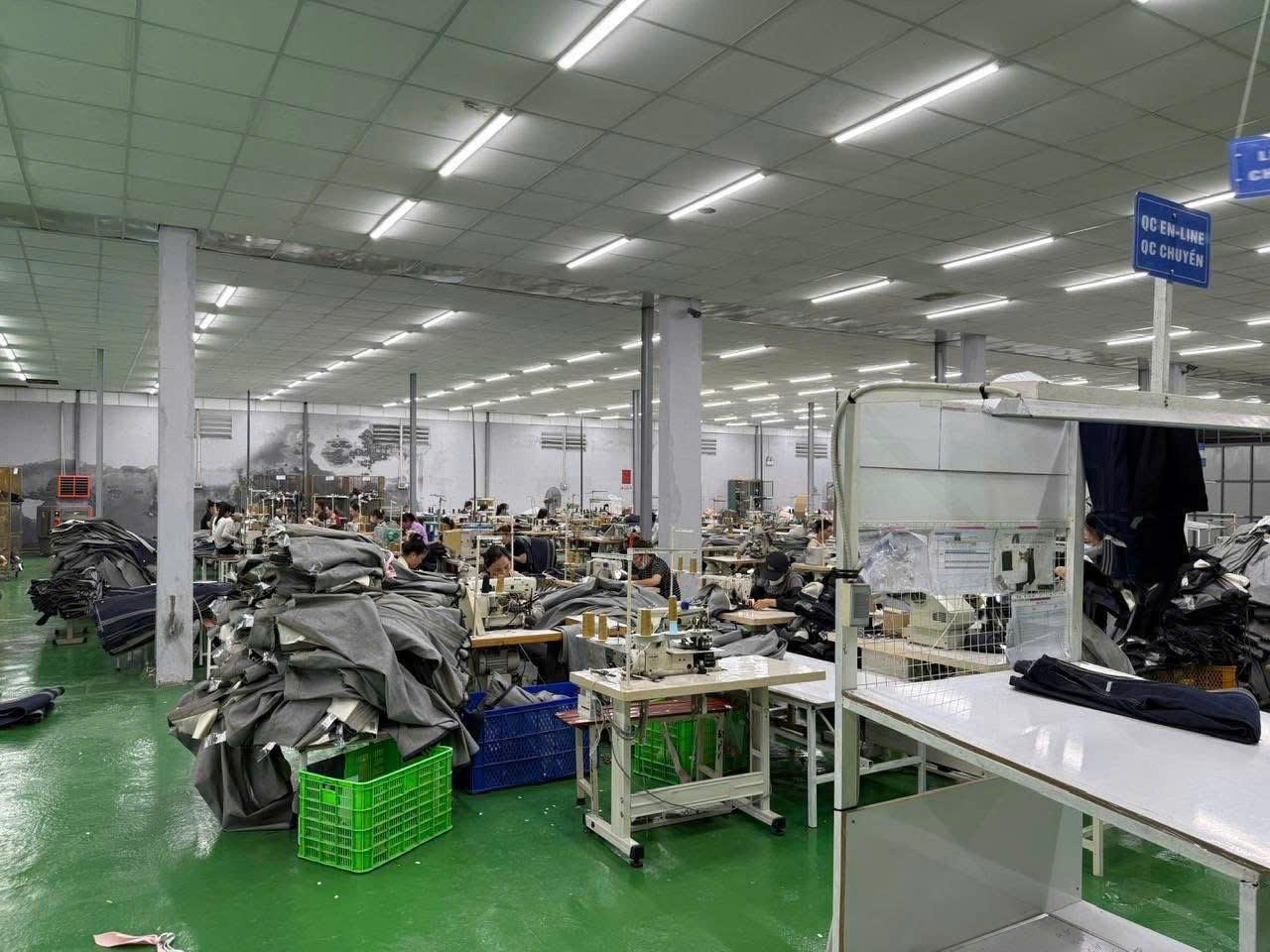
Inspection should happen at multiple stages, not just at the end: incoming fabric/trim check, in-line inspection during sewing, and a final inspection before packing (commonly done to AQL sampling standards). Ask any factory you’re evaluating exactly which of these three stages they actually run — “we do QC” is not a specific enough answer.
6. Packaging, Labeling, and Shipping
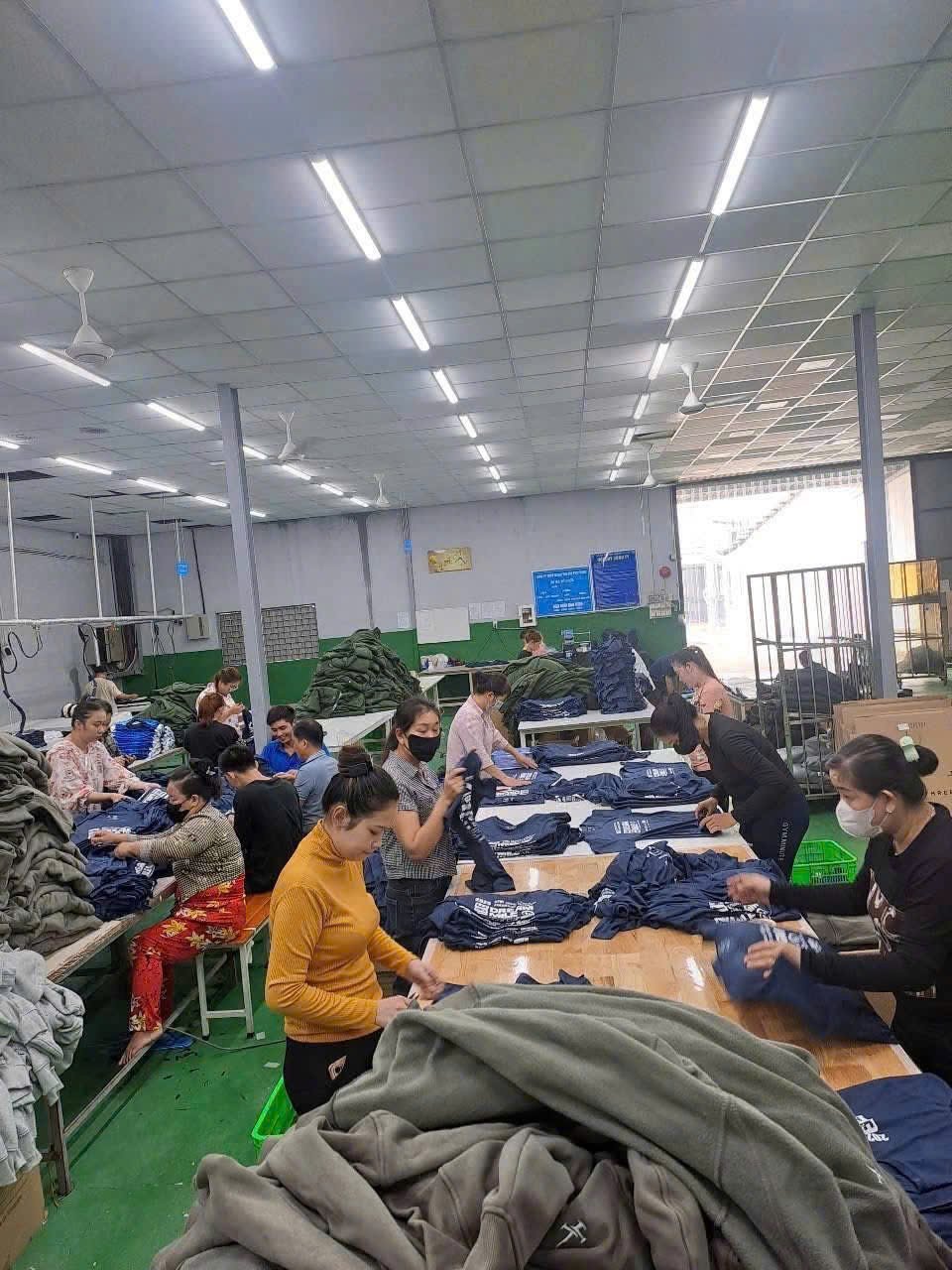
Garments are folded, poly-bagged or boxed to your specification, barcoded if needed (essential for Amazon FBA and retail-ready orders), and prepared for export. Confirm shipping documentation, Incoterms (FOB is standard for most exporters), and who handles customs clearance on your end before the order ships.
For a fuller walkthrough of placing your first order, see our complete buyer’s guide to ordering custom clothing from a Vietnam factory and our notes on how we run quality control on every order.
Typical Timeline: From Inquiry to Delivery
First-time brand owners consistently underestimate total timeline because they only count production days, not the steps before and after it. A realistic private label timeline looks like this:
- Week 1: Inquiry, product selection, and quotation — factory confirms MOQ, price, and sample lead time in writing.
- Weeks 2–3: Sample development and your approval round (budget for at least one revision round on a first order).
- Weeks 3–7: Bulk production — timeline scales with order size and product complexity, and runs longer if new trims, prints, or labels have to be sourced for a first order.
- Weeks 7–8: Final QC inspection, packing, and export documentation.
- Weeks 8–13: Sea freight transit (commonly 3–5 weeks depending on destination port) — or roughly 1 week if you pay the premium for air freight on an urgent order.
Plan your launch date, marketing spend, and any pre-order campaign around the full 10–13 week window, not just the 4–6 weeks of production — the most common launch-date mistake we see from first-time brand owners is planning backward from production time alone and forgetting shipping.
What Products Can You Private Label With a Vietnam Factory?
Private label works best on categories with well-established base patterns a factory can brand quickly, rather than fully novel silhouettes. The most common — and fastest to launch — categories include:
- T-shirts and cotton basics (see our t-shirt manufacturer guide)
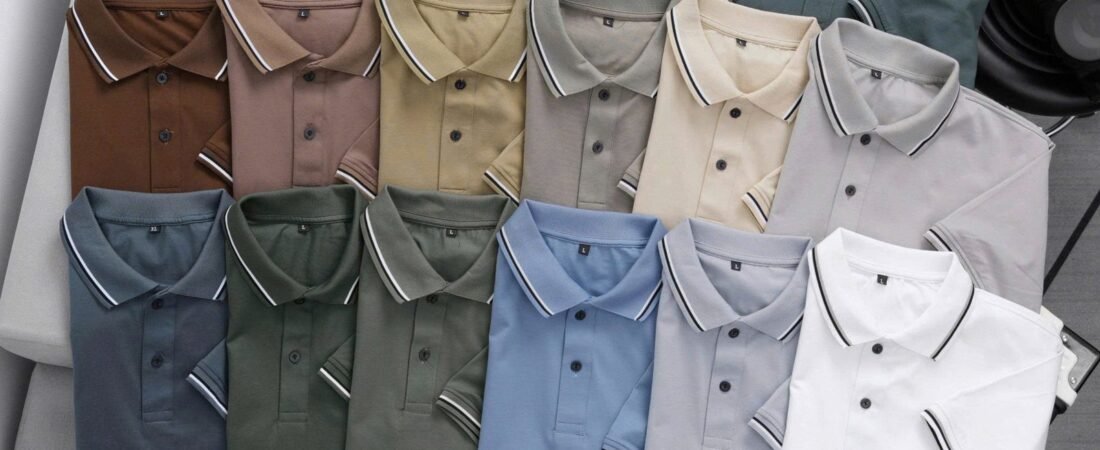
- Polo shirts and hoodies/sweatshirts (see our hoodie & polo manufacturer guide)
- Activewear and gym wear (leggings, sports bras, shorts, tanks)
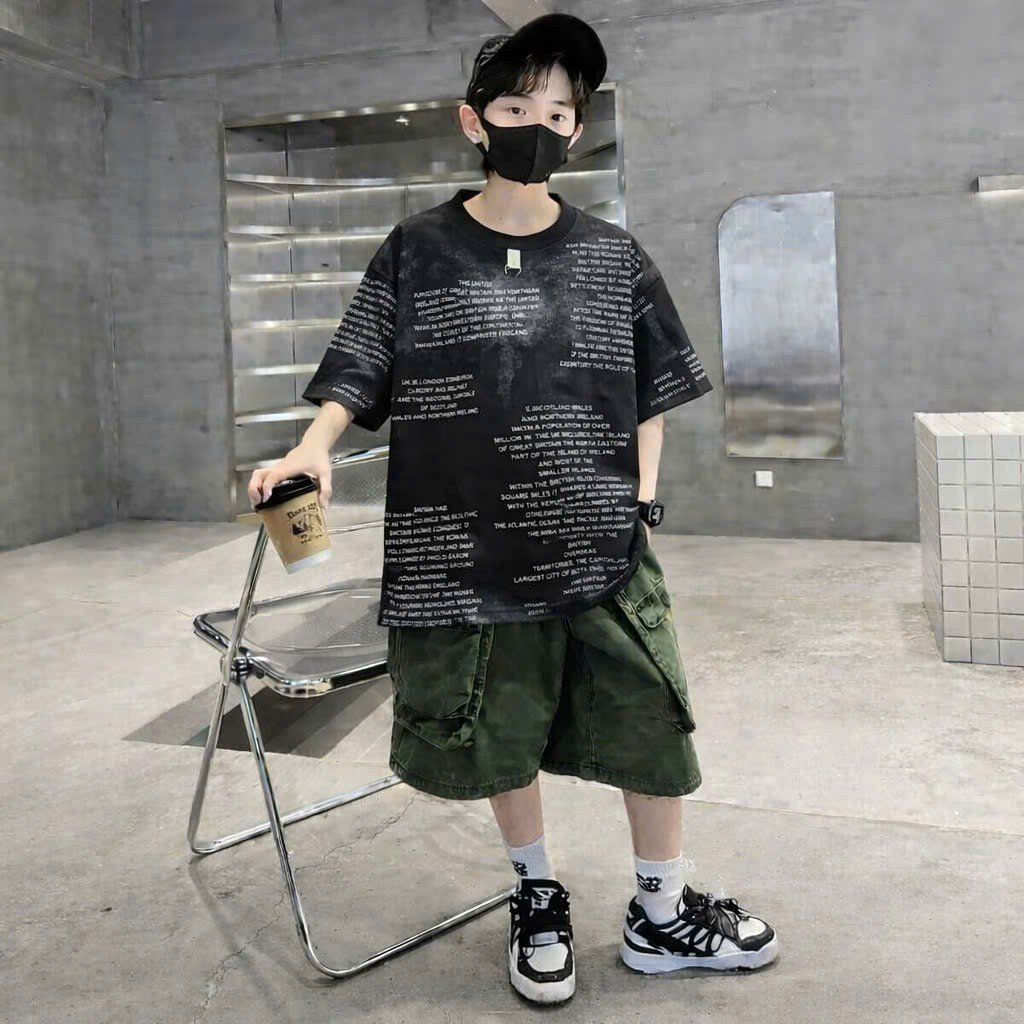
- Streetwear staples (graphic tees, joggers, oversized fits)
- Denim — jeans and jean jackets
- Kids’ apparel
- Corporate, school, and hospitality uniforms (see our uniform manufacturing guide)
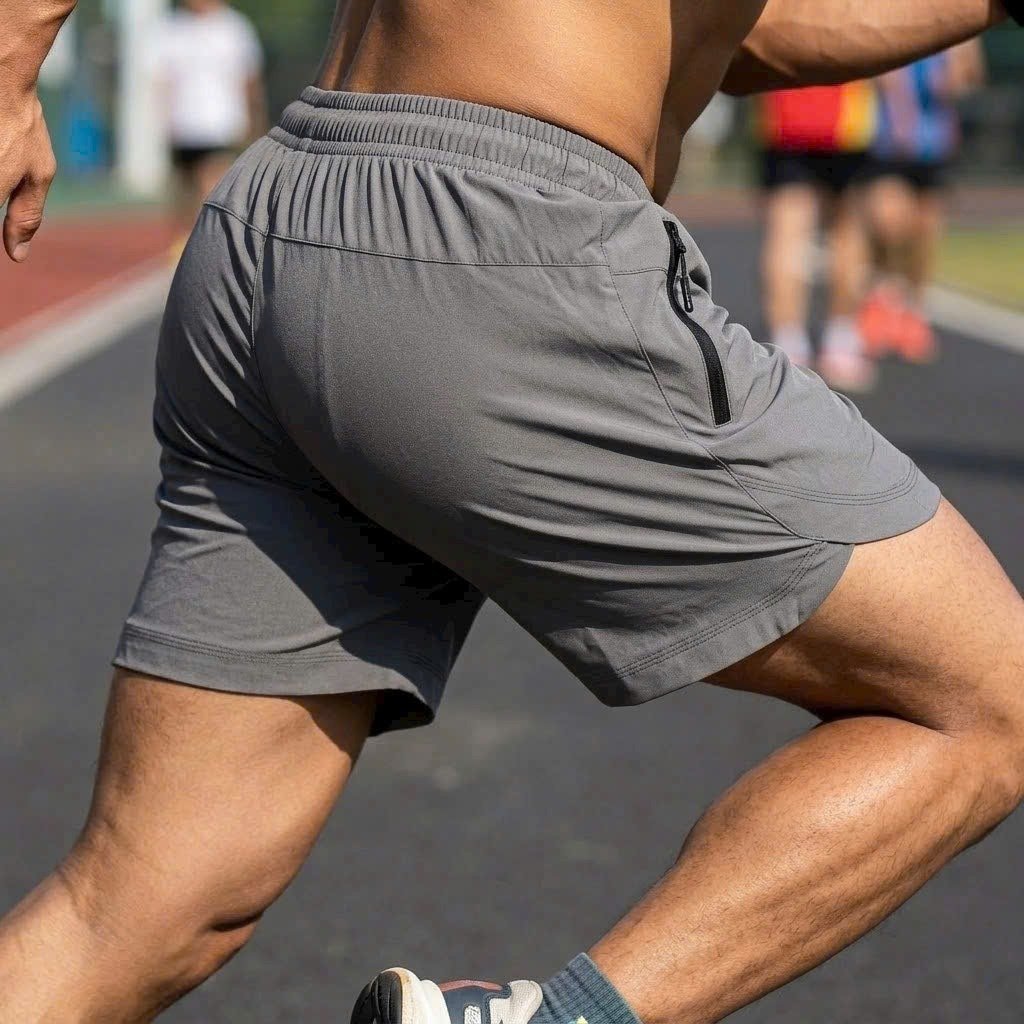
Full product range, categories, and reference photos are on our Products page.
How to Choose the Right Private Label Partner in Vietnam
Run any factory you’re evaluating through this checklist before sending a deposit:
- Track record and specialization — do they actually produce your product category regularly, or is it a “we can make anything” claim?
- Real MOQ, in writing — confirmed by product type, not a vague “it depends” left until after you’ve invested time.
- Sample process — will they produce a real physical sample with your label before bulk, and what does a sample cost/lead time look like?
- QC transparency — can they explain their inspection stages specifically, and will they allow a third-party audit or video call inspection?
- Communication — a dedicated, responsive English-speaking contact matters more early on than almost anything else; slow or vague replies during quoting predict slow, vague replies during a production delay.
- Capacity to scale — can they handle your reorder at 10x volume, or are they maxed out at your pilot order size?
- Payment terms — standard is commonly a 30% deposit at order confirmation and 70% before shipment (T/T bank transfer); be cautious of factories demanding 100% upfront.
- Labeling and packaging flexibility — can they apply woven labels, printed care labels, custom hangtags, and retail-ready poly-bagging in-house, or is that outsourced (adding another vendor, cost, and failure point to your supply chain)?
- Willingness to start small — a factory that happily quotes a 100–200 piece pilot order without pressuring you into a much larger first commitment is generally more confident in its own product and less dependent on locking in one large customer.
See also our breakdown of the top 5 mistakes brands make when working with overseas factories — most of them trace back to skipping one of the checks above.
Private Label Manufacturing Costs: What Affects Your Price
Your per-piece cost is driven by more than just labor. The main variables a factory prices against are:
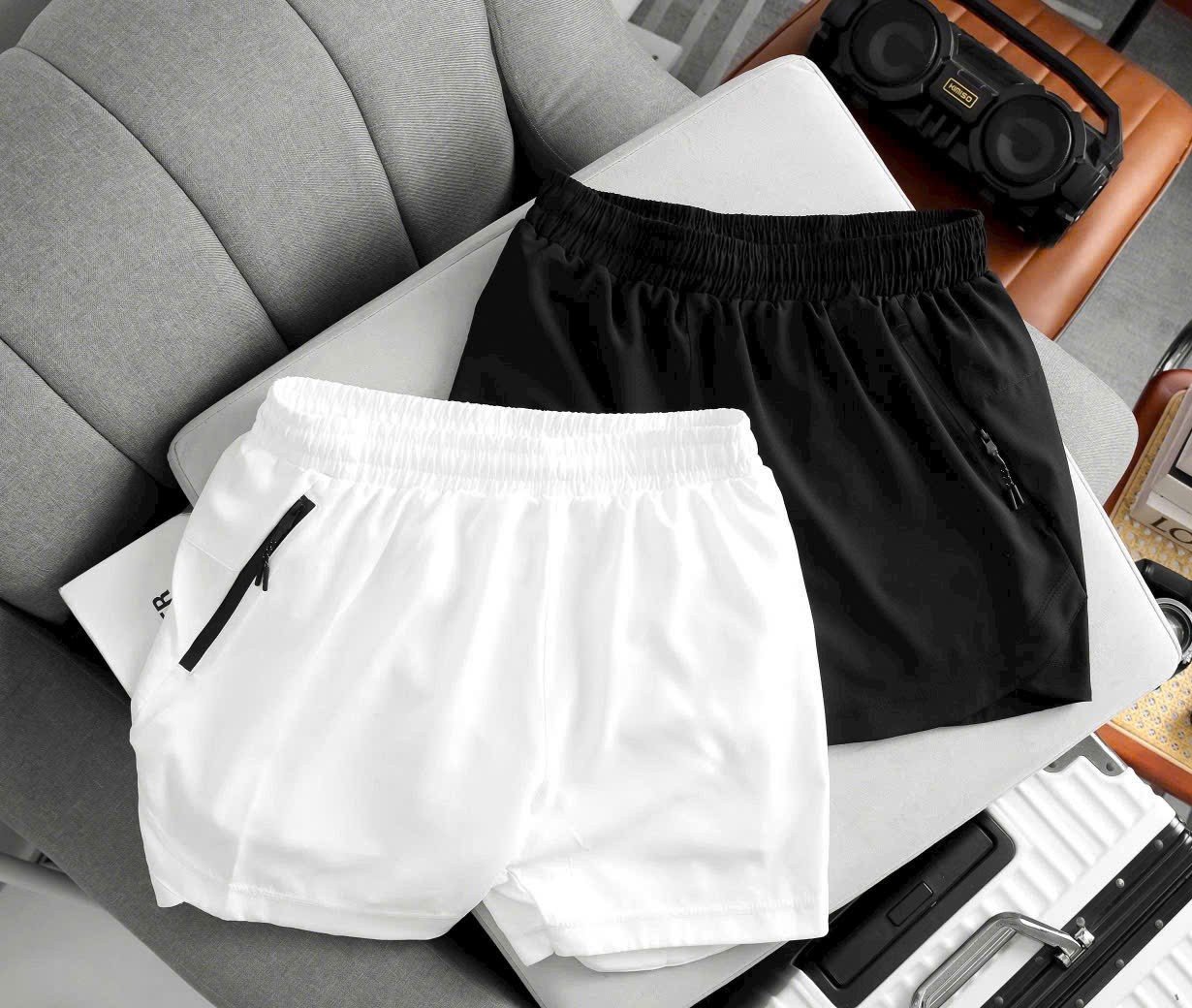
See our full manufacturing services or explore our product categories to find the closest match to what you want to launch.
Frequently Asked Questions
What is the minimum order quantity for private label clothing in Vietnam?
It varies by factory and product. Industry-wide, private label MOQs commonly range from 50–500 pieces per style at low-MOQ/small-batch factories up to 1,000–5,000 pieces at mid-tier exporters. At AT Garment Factory, MOQ starts at 50 pieces for blank styles and scales up by customization level and product type.
How long does private label production take?
Sampling typically takes 1–2 weeks, and bulk production lead time depends on order size and complexity — simple blank reorders move faster than first-run custom styles with new trims or embroidery. Always confirm a specific lead time in writing for your exact order before production starts, and add sea-freight transit time (commonly 3–5 weeks) on top for full door-to-door planning.
What’s the difference between private label and OEM manufacturing?
Private label uses the factory’s existing product with your branding applied — fastest and lowest MOQ. OEM means the factory builds to your own specifications and tech pack. Most brands start private label to validate demand, then move a proven style to OEM for exclusivity. See our full OEM vs ODM comparison for more detail.
Can a Vietnam factory handle Amazon FBA or TikTok Shop packaging requirements?
Yes — retail-ready packaging, barcoding, and poly-bagging to marketplace specifications is a standard request for private label brands selling on Amazon or TikTok Shop. Share the marketplace’s specific packaging and labeling requirements with your factory during the sampling stage so they can be built into your sample approval, not discovered after a bulk run is finished.
Is Vietnam or China better for a first private label order?
It depends on your product and priorities — Vietnam commonly offers lower labor costs and duty-free access to more markets through its free trade agreements, while China often has a broader base of specialized micro-factories for complex or highly technical items. We break this down by category and cost in Vietnam vs China: Which Country Should You Choose?
Do I need a sourcing agent to work with a Vietnam factory?
Not necessarily. A sourcing agent can help if you’re placing many orders across multiple factories or have zero experience with international logistics, but it adds a fee layer. Many private label brands work directly with a single responsive factory — provided that factory has clear English communication and transparent MOQ, sampling, and QC processes, as covered in the checklist above.
What information do I need to provide to get an accurate quote?
At minimum: the garment type, target fabric or a reference product, quantity per style/color, any customization (print, embroidery, custom label), and your target ship date. The more specific your first message, the faster and more accurate the quote — vague inquiries like “how much for a hoodie” without fabric or quantity details usually just trigger a round of clarifying questions before a factory can price anything.
Conclusion
Private label is still the lowest-risk way to launch or expand a clothing brand, and Vietnam remains one of the strongest places in the world to do it — competitive costs, a mature skilled workforce, and duty advantages into major markets through its free trade agreements. The real risk isn’t the country; it’s skipping due diligence on MOQ, sampling, and QC before you commit budget to a factory. Use the checklist in this guide on every factory you evaluate, and you’ll cut out most of the bad outcomes before they happen.
Ready to start your private label line? Contact AT Garment Factory for a free quotation — tell us your product, target quantity, and timeline, and we’ll confirm MOQ, sample lead time, and pricing directly.
- Email: thanhtung113123@gmail.com
- WhatsApp: Chat with us on WhatsApp
- Zalo: Chat with us on Zalo
- Or visit our Contact page for the full inquiry checklist