
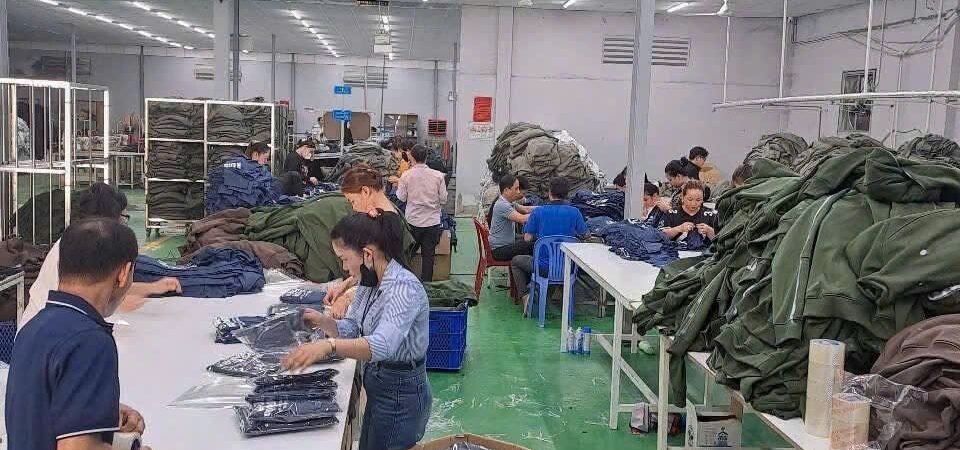
You can design a flawless hoodie, approve a perfect sample and still watch the order get stuck because the sewn-in label says the wrong thing. For importers, buying offices and new private label brands, clothing label requirements are one of the least glamorous parts of sourcing, and one of the most expensive to get wrong. A label with missing fiber content or a wrong country of origin can mean relabeling thousands of units, a delayed launch, or goods turned back at the border.
This guide explains, in plain buyer language, what a garment label has to carry in the United States, the European Union and the United Kingdom, how labels and packaging fit into a private label order from Vietnam, and what to send your factory so the first production run is right. It is written from the factory side: we sew, pack and ship these orders every week. It is general information, not legal advice, so always confirm final wording with your customs broker or compliance advisor before printing labels.
Table of contents
- Why labels matter more than most first-time brands expect
- US clothing label requirements
- EU clothing label requirements
- UK clothing label requirements
- The six label and tag types on a finished garment
- Who is responsible: the brand, the importer or the factory?
- Polybags, cartons and marketplace prep
- Seven labeling mistakes that delay or block shipments
- A label brief to send your Vietnam factory
- Special cases: kidswear, sportswear, uniforms and denim
- How we handle labeling at AT Garment Factory
- FAQ
- Conclusion
Why labels matter more than most first-time brands expect
Labels do three jobs at once. They satisfy the law in the market where the garment is sold, they carry your brand, and they tell the consumer how to look after the product. When one of those jobs is done badly, the cost shows up in a different place each time: customs delay, marketplace listing removal, customer returns because the garment shrank after a wash the label never warned about.
The key point for a brand sourcing overseas is that the legal duty usually sits with the company that sells or imports the goods, not with the sewing factory. A good factory will sew whatever you specify, which means the specification has to be right. That is why a structured brief, built together with your tech pack, saves far more money than any fabric negotiation.
US clothing label requirements
In the United States, apparel labeling is governed mainly by two Federal Trade Commission rules: the Textile Fiber Products Identification Act and the Care Labeling Rule. Industry summaries of these rules commonly describe the following required elements:
- Fiber content. Every fiber is listed in descending order by weight with its percentage, for example 60% cotton, 40% polyester. Fibers under five percent may generally be grouped as “other fibers”, except wool, which is named specifically.
- Country of origin. The label states where the garment was made, for example “Made in Vietnam”. Where a garment is processed in more than one country, the origin question is more complex and importers should check customs rulings and any trade agreement rules.
- Identity of the business. The label shows a brand or company name, or an RN number issued by the FTC. RN numbers are free to obtain and many private label brands use them instead of printing a full legal name.
- Care instructions. Washing, drying, ironing, bleaching and dry cleaning guidance, in words, in standard symbols or both, and it must match how the garment actually behaves. Industry sources note that a care label can be applied after entry but must be in place before retail sale, and penalties for missing care labels can be severe.
- Permanence. Required labels must be attached so they stay legible for the life of the garment. A hangtag can add information but does not replace the sewn-in label.
Customs paperwork also matters. Commercial invoices for textile imports are typically expected to show fiber content, origin and manufacturer details, so the data printed on your label and the data on the invoice should match exactly. Our guide to FOB, EXW and DDP terms explains who prepares which documents.
EU clothing label requirements
The European Union takes a different approach: textile fiber naming and labeling are harmonized across member states, while the language of the label depends on where the product is sold. In practice, buyers should plan for the following.
- Fiber composition must be shown using the approved fiber names, so the words on the label must follow the EU naming list rather than casual terms.
- Care labeling commonly follows the harmonized symbol system, usually placed alongside text in the language of the destination country.
- Labels should be readable in the official language of each country where the product is sold. A brand selling in Germany, France and Italy often needs multilingual labels or separate label versions.
- Importers within the EU also carry responsibilities for product traceability and chemical compliance, which sit outside the label itself but are tied to the same supplier documents.
Because EU requirements and national language rules change, treat this list as a starting point and have your compliance contact approve the final artwork. If you are comparing sourcing countries for an EU launch, see how Vietnam compares with Turkey on lead time and cost.
UK clothing label requirements
Since Brexit the UK runs its own textile labeling rules, which broadly resemble the EU framework on fiber composition but are administered separately. Brands that sell into both markets should not assume one label automatically covers the other. The safest workflow is to confirm current UK requirements from official government guidance, then decide whether to produce one combined label or two market-specific versions. Combined labels reduce inventory complexity but can become long, so many brands move compliance detail onto a separate content label, discussed next.
The six label and tag types on a finished garment
A finished garment can carry several different labels and tags. Knowing which is which makes your factory brief much clearer.
- Main brand label. Woven, printed or heat-transfer logo, usually at the back neck. This is brand identity, not necessarily the legal label.
- Size label. Often combined with the main label or sewn into the side seam. For multi-market brands it may carry US, EU and UK sizing.
- Content and care label. The legal workhorse: fiber content, origin, RN or company name, care symbols and text. Usually sewn into the side seam or printed inside the neck.
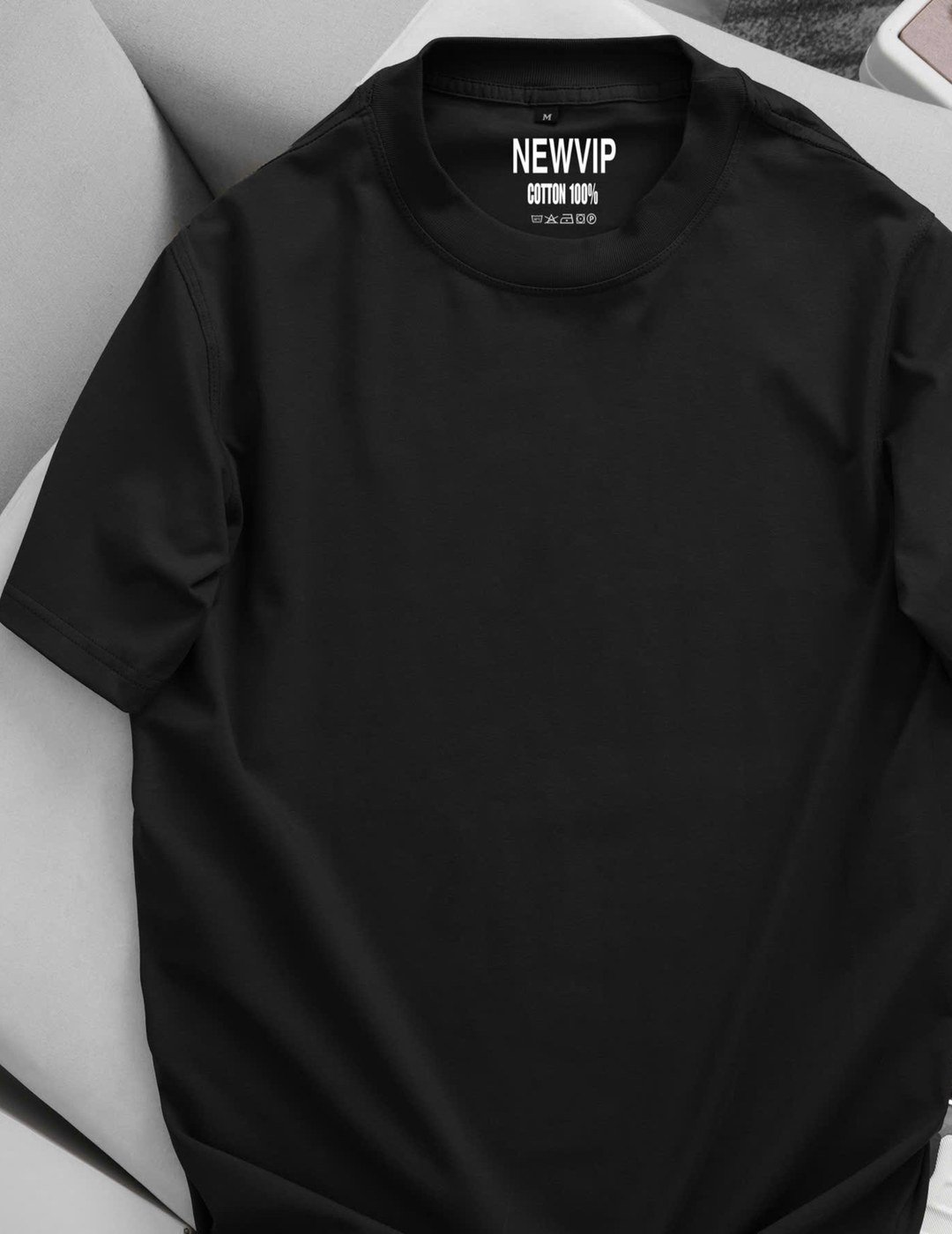
- Printed neck label (tagless). Heat-transfer print inside the collar, popular for T-shirts, kidswear and sportswear because it avoids scratchy tags. Print durability after repeated washing should be tested.
- Hangtag. Paper tag with price, barcode and brand story, attached with a string or plastic fastener. It supplements but does not replace sewn-in labels.
- Barcode or SKU sticker. Applied to the polybag or carton for retailer or marketplace scanning.
Cost-wise, a plain printed neck label is usually cheaper than a woven main label plus a separate sewn care label, but each choice changes how the garment feels and looks. For blank-style products, such as the plain tees shown below, printed labels often give the cleanest result. You can see the construction options in our T-shirt GSM guide.
Who is responsible: the brand, the importer or the factory?
In a private label order the split of duties normally looks like this. The brand or importer decides the market, supplies label artwork and approves the legal wording. The factory sources the label trims, sews them in the position on the tech pack, and packs to the specified standard. The brand or importer remains responsible for the accuracy of what is printed. A factory can usually advise on practical points such as label placement and wash durability, but it should not be expected to act as your legal advisor for a destination market.
This is also why private label orders need an early label approval step. Ask your factory to send a photo of the physical label sample, sewn into a real garment, before bulk production starts. Typos are far cheaper to fix at that moment than after cutting.
Minimum quantities for trims are another practical consideration. Custom woven labels often have their own minimum order, which can be higher than a small first run. Our low MOQ guide explains how to start small without overpaying for trims.
Polybags, cartons and marketplace prep
Packaging is part of compliance too. The right pack depends on the sales channel.
- Retail stores. Individually folded garments with hangtags, sometimes with a size sticker on the polybag, then packed into cartons by size and color assortment.
- Amazon FBA. Each unit usually needs a scannable barcode, and plastic polybags above a certain size commonly need a printed suffocation warning. Always check the current marketplace prep rules before printing. Our Amazon FBA clothing supplier guide covers the full workflow.
- TikTok Shop and DTC. Many brands prefer a smaller, branded mailer-ready pack to reduce shipping weight. Read our TikTok Shop manufacturing guide for volume planning.
- Wholesale and buying offices. Bulk packs by size ratio with a clear carton marking list. See the buying office guide.
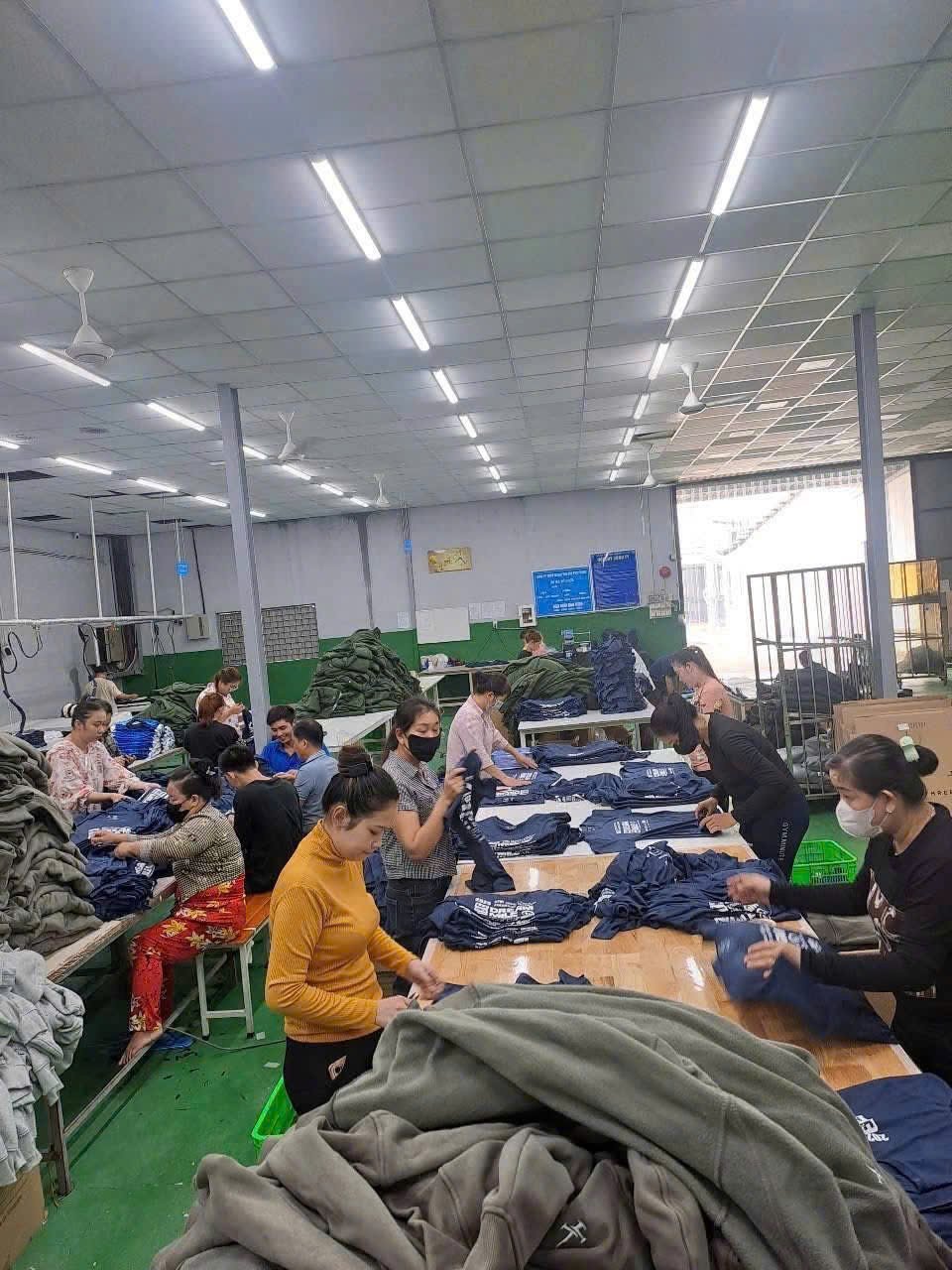
Carton marks matter as much as garment labels. A carton should carry the PO number, style, color, size ratio, quantity, carton number and gross weight so the receiving warehouse can process it without opening it. Define this in the packing list template before production, not after.
Seven labeling mistakes that delay or block shipments
- Guessing fiber content. Fabric mills publish composition, but blends and rib trims can differ from the body fabric. Verify with the fabric test report.
- Copying a competitor’s label. Their fiber content, origin and care instructions are not yours.
- Wrong country of origin. Vietnam-made goods using imported fabric still need the origin determined according to the rules of the destination market.
- Care instructions that do not match the fabric. A 100% cotton tee marked “tumble dry high” without pre-shrinking tests invites returns. Our French terry vs fleece guide shows how fabric choice affects care.
- Label placement missing from the tech pack. If the position is not stated, the factory chooses, and you may not like the result.
- No multilingual plan. Selling in several EU countries with a single-language label.
- Skipping inspection of labels. Add label checks to your AQL inspection checklist: content, spelling, position, wash durability.
A label brief to send your Vietnam factory
Send the following to your factory with the purchase order, and request written confirmation of each item:
- Target market or markets and the language for each.
- Final fiber content per style, based on the mill test report.
- Country of origin wording and your RN number or company name.
- Care instruction text and symbols, approved by your compliance contact.
- Label artwork files, sizes, colors and attachment method (sewn, printed, heat transfer).
- Label position on a drawing in the tech pack.
- Hangtag, barcode and polybag specification, including any marketplace warning text.
- Carton marking and packing list format.
- A pre-production label sample photo for written approval.
Combine this brief with your cost planning. Trims and packaging are visible line items in our garment cost breakdown and are easy to under-budget.
Special cases: kidswear, sportswear, uniforms and denim
Some product categories need extra attention because the label interacts with the way the garment is used.
- Kidswear. Children’s clothing is regulated more strictly in many markets, with additional rules on items such as drawstrings, small attachments and flammability. Tagless printed labels are popular because they avoid irritation, but required information must still be present and permanent. Read our kids clothing manufacturer guide before finalizing trims.
- Sportswear. Performance blends often include elastane or polyester mixes where exact percentages matter. Wash durability of heat-transfer labels on stretch fabric should be tested. See our sportswear manufacturing guide.
- Uniforms. Corporate and school buyers often want size, name or department marks as well as legal labels, and they reorder over several seasons. Keep a locked label specification so later batches match. More in our uniform manufacturing guide.
- Denim. Jeans commonly carry a leather or woven patch, a waist label and a pocket flasher in addition to the care label, and washed denim may change shade, which affects care wording. See the denim jeans guide.
A practical way to control cost is to standardize. Using the same care label text and size label format across styles lets your factory buy trims in larger quantities, which often lowers the per-piece trim cost and shortens the lead time. Our production lead time guide shows where trim sourcing sits in the timeline: custom labels and hangtags are usually ordered once the tech pack is approved, so late label decisions are one of the commonest reasons a shipment misses its date.
Finally, keep records. Store the approved label artwork, the fabric test report and the signed pre-production sample together for every style. If a customs officer, marketplace or retail buyer asks a question six months later, you can answer in minutes instead of days.
How we handle labeling at AT Garment Factory
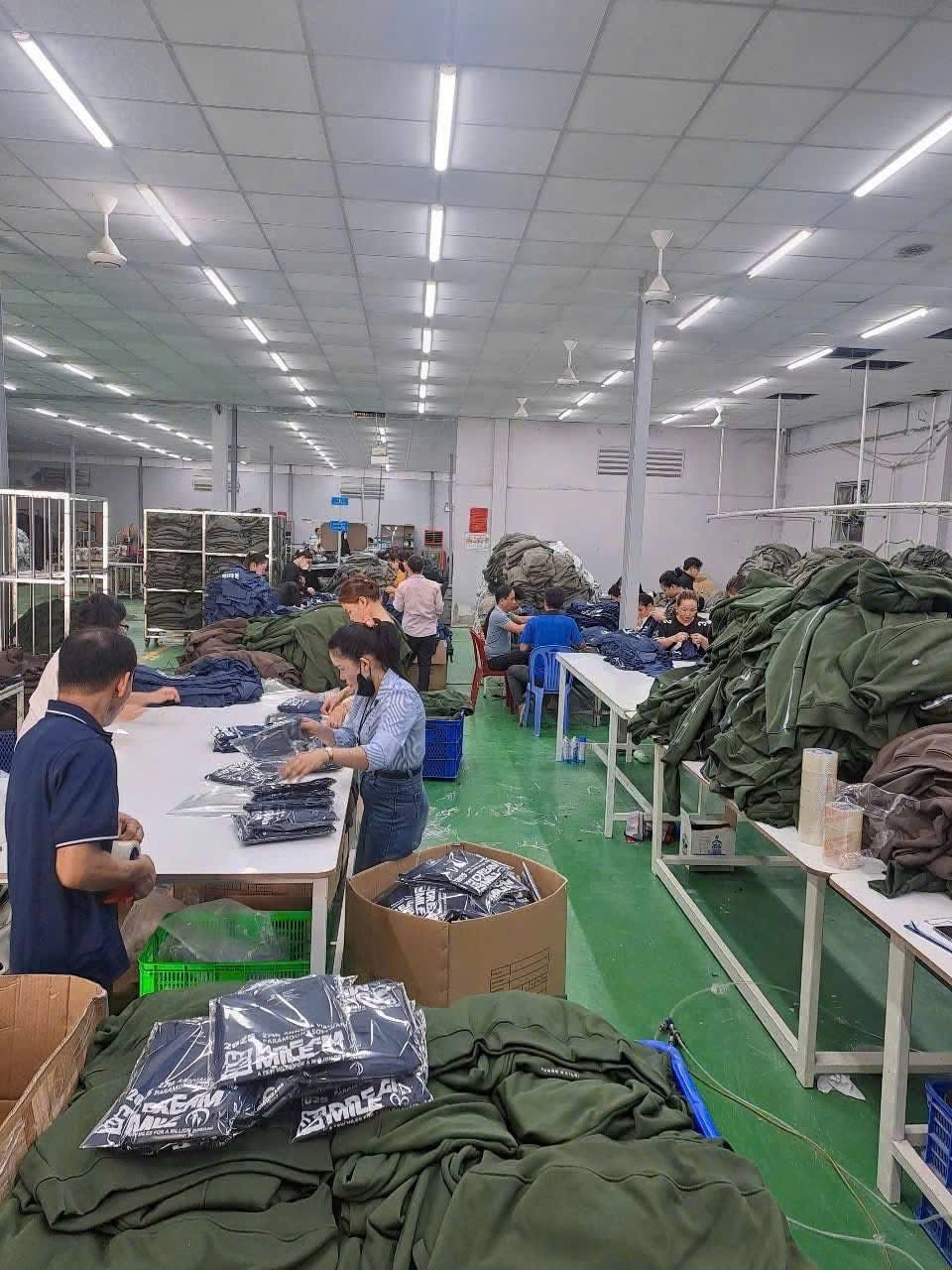
AT Garment Factory is an export-focused factory in Binh Tan District, Ho Chi Minh City, with more than ten years of experience and capacity above 100,000 pieces per month. Our minimums start at 50 pieces for blank styles, 100 for printed, 200 for branded OEM and 2,000 for hoodies, polos and uniforms. We sew labels to your tech pack, send photos of label samples for approval, and pack to your channel requirements. For repeat customers we keep label specifications on file so reorders match the first run. Browse our product range or see our services.
FAQ
Who is responsible for clothing labels, the factory or the brand?
Usually the brand or importer is responsible for the content and accuracy of the label. The factory applies it as specified and can advise on placement and durability.
Do I need an RN number to import clothing into the US?
Not necessarily. A label can show a company name instead. An RN number issued by the FTC is a free alternative that many brands use. Confirm with your broker which fits your business.
Can I use one label for the US, EU and UK?
Sometimes, but language, fiber naming and care symbol conventions differ. Many brands use a combined label with multiple languages or produce separate versions per market.
Is a hangtag enough instead of a sewn-in label?
Generally no. Industry guidance says hangtags can supplement but not replace permanent labels that stay with the garment.
What is the minimum order for custom labels?
It depends on the trim supplier and label type. Printed neck labels can often be done on small runs, while woven labels may have a higher minimum. Ask your factory for options before choosing.
When should label artwork be approved?
Before bulk cutting begins, ideally together with the approved pre-production sample, so any correction costs only a trim change.
Conclusion
Labels are small, but they connect your design, your legal responsibility and your customer’s experience. Decide the target market first, confirm the wording with a compliance professional, put every label detail in the tech pack, and approve a physical label sample before production. Do that and labeling stops being a risk and becomes a routine step.
Ready to plan a private label order with correct labels and packaging? Email thanhtung113123@gmail.com, message us on WhatsApp or Zalo, or use the contact page.