TikTok Shop has turned into one of the fastest-growing storefronts for fashion in the world, and clothing is consistently one of its top-selling categories. That growth has created a new kind of buyer: the TikTok Shop seller who needs a manufacturing partner that can move at the speed of a viral video, not the speed of a traditional wholesale buying cycle. This guide breaks down how TikTok Shop fashion sellers actually source clothing from Vietnam — MOQs, lead times, product categories that convert, and the questions to ask before you commit to a factory.
Table of Contents
- Why TikTok Shop Sellers Are Turning to Vietnam for Clothing Manufacturing
- The TikTok Shop Seller’s Dilemma: Alibaba Dropship vs. Direct Factory Partnership
- What TikTok Shop Brands Actually Need From a Manufacturer
- Best-Selling Product Categories on TikTok Shop — and What Vietnam Factories Can Produce
- MOQ, Pricing and Lead Time: What TikTok Shop Sellers Should Expect
- Step-by-Step: Sourcing Your First (or Next) Production Run
- Why Lead Time Matters More for TikTok Shop Than Traditional Retail
- Turning Your Factory Relationship Into TikTok Content
- Quality Control Checkpoints Before Your Order Ships
- Vietnam vs. Alternative Sourcing Options for TikTok Shop Brands
- Common Sourcing Mistakes TikTok Shop Sellers Make
- Payment Terms and Moving Money to a Vietnam Factory Safely
- A Common Growth Pattern: From Viral Video to Bulk Reorder
- Import and Tariff Considerations for US and EU TikTok Shop Sellers
- Choosing the Right OEM Partner: A Checklist for TikTok Shop Sellers
- Why AT Garment Factory
- Frequently Asked Questions
Why TikTok Shop Sellers Are Turning to Vietnam for Clothing Manufacturing
Industry figures suggest TikTok Shop’s US e-commerce sales are on track to reach roughly $23.4 billion in 2026, with clothing commonly reported as the platform’s second-largest product category by sales volume. Women reportedly account for 70-75% of TikTok Shop apparel buyers, and reported conversion rates on the platform average around 4.7% — well above the 2-4% typical of traditional e-commerce, with top-performing clothing sellers said to reach 8-12%. That kind of demand curve rewards sellers who can restock a winning design fast, which is exactly where sourcing decisions start to matter.
Vietnam has built its position as the world’s third-largest textile and garment exporter, with reported export revenue around $44 billion in 2024. For TikTok Shop sellers specifically, three factors make Vietnam attractive: a skilled, well-trained garment workforce, strong capability in synthetic and blended fabrics (ideal for athleisure, streetwear, and the poly-cotton blends that dominate TikTok’s trending apparel), and a tariff and trade position that many US and EU brands now prefer over China for diversification reasons. None of that guarantees a smooth sourcing experience on its own — the factory you choose still needs to fit how a TikTok Shop brand actually operates.
The TikTok Shop Seller’s Dilemma: Alibaba Dropship vs. Direct Factory Partnership
Most new TikTok Shop sellers start on a marketplace like Alibaba, ordering small batches through a trading company or dropship agent. It is a reasonable way to test a niche with minimal capital. The problem shows up once a product starts selling: trading companies add a markup layer that compresses margin exactly when you need cash to reorder, quality control is inconsistent because you are one step removed from the factory floor, and reorder lead times are often unpredictable because you are competing for capacity with everyone else buying through the same middleman.
A direct relationship with a factory removes that layer. You get factory-direct pricing, a single point of accountability for quality, and — critically for TikTok Shop’s reorder cycle — priority production slots once you have an established relationship and order history. The tradeoff is that direct sourcing usually requires a higher minimum order than a dropship listing, which is why the MOQ structure of the factory you choose matters more than almost any other variable.
What TikTok Shop Brands Actually Need From a Manufacturer
Low MOQ for testing new designs
A factory that only accepts 5,000-unit orders is the wrong fit for a brand still validating which of ten designs will actually sell on TikTok Shop. Look for tiered MOQs that let you test small and scale once a SKU proves itself.
Fast sample turnaround
TikTok trends move in weeks, not months. A manufacturer that takes six weeks to send a sample has already cost you the trend cycle.
Print- and embroidery-ready blank apparel
Many TikTok Shop sellers start with heat-transfer, DTF, or embroidery on blank garments before moving to full OEM. Your factory needs to supply consistent, print-ready blanks in the fabric weights and cuts your niche expects.
Small-batch to bulk scalability
The single biggest operational risk for a TikTok Shop brand is a video going viral before your factory can scale. You want a manufacturer with spare production capacity, not one already running at full utilization for other clients.
Packaging and branding support
Unboxing content performs well on TikTok. Custom neck labels, hang tags, poly bags, and branded packaging inserts are commonly requested add-ons that a capable OEM/private label factory should support without disrupting your production timeline.
Best-Selling Product Categories on TikTok Shop — and What Vietnam Factories Can Produce
Certain apparel categories consistently perform well on TikTok Shop, and Vietnam’s factory base is well matched to most of them.
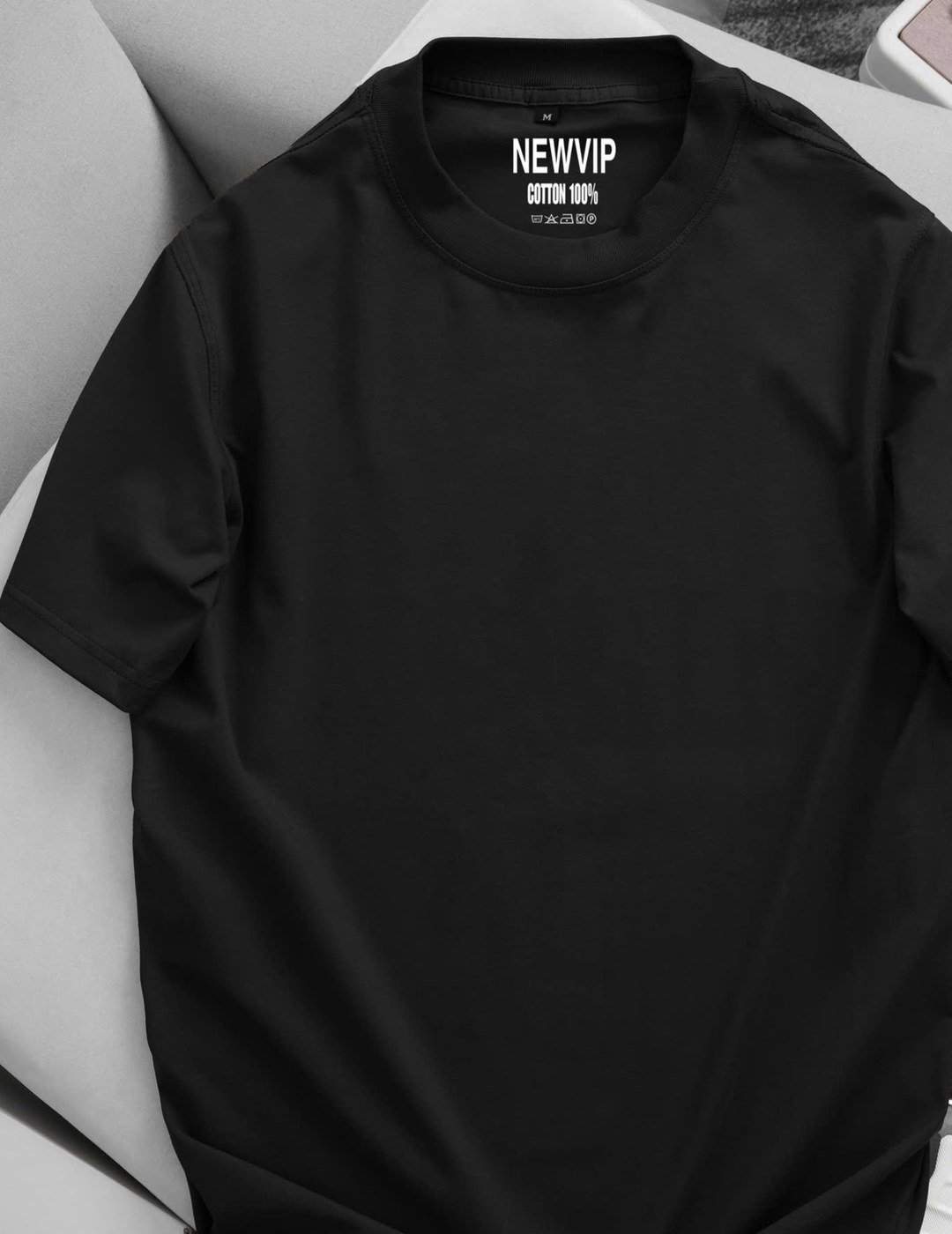
- Streetwear tees, oversized fits, and graphic hoodies — commonly reported as some of the highest-volume categories on the platform, and a core strength of Vietnam’s cut-and-sew capacity.
- Denim shorts, jean jackets, and washed denim — a recurring trend cycle on TikTok, supported by Vietnam’s established denim production lines.
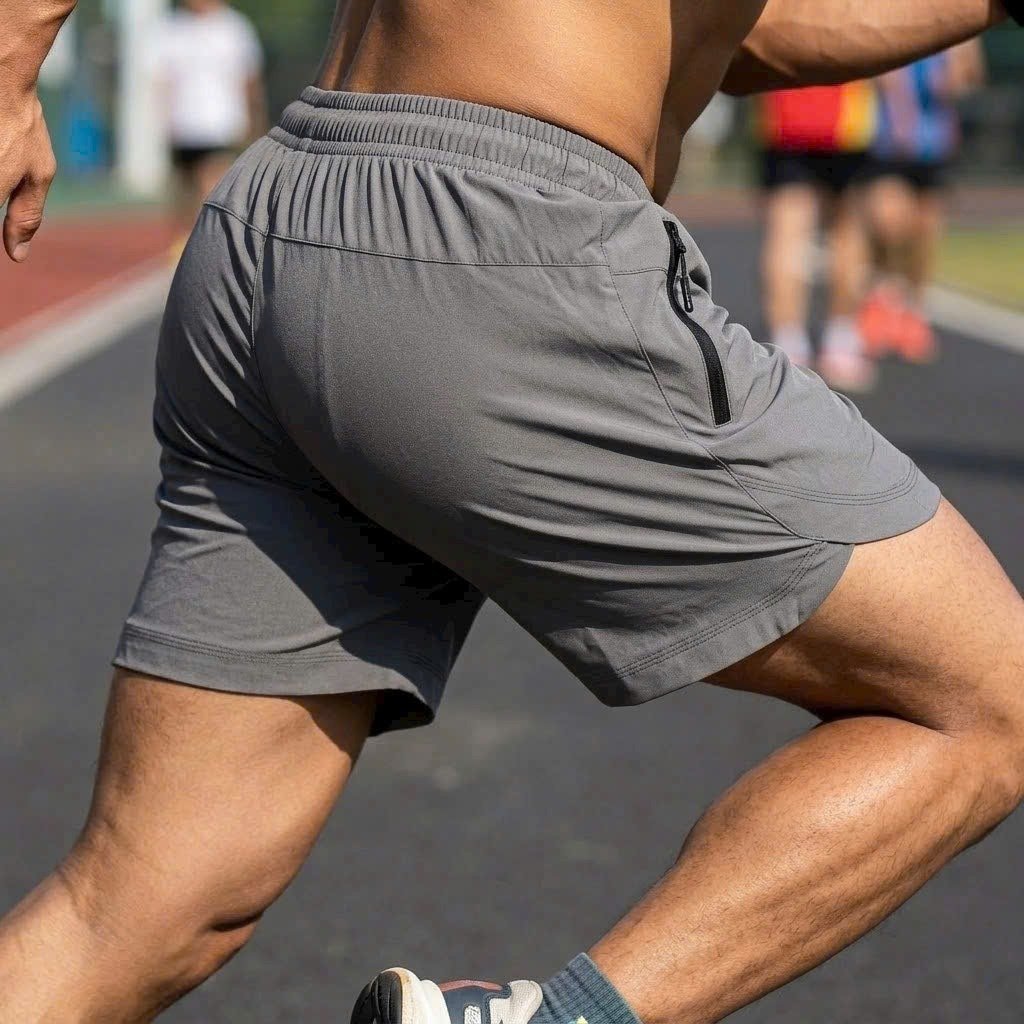
- Athleisure and sportswear sets (leggings, sports bras, tennis skirts, gym tanks) — Vietnam’s strength in synthetic and performance fabrics fits this category directly.
- Kids’ streetwear — a smaller but fast-growing niche as parent-run and family accounts gain traction on the platform.
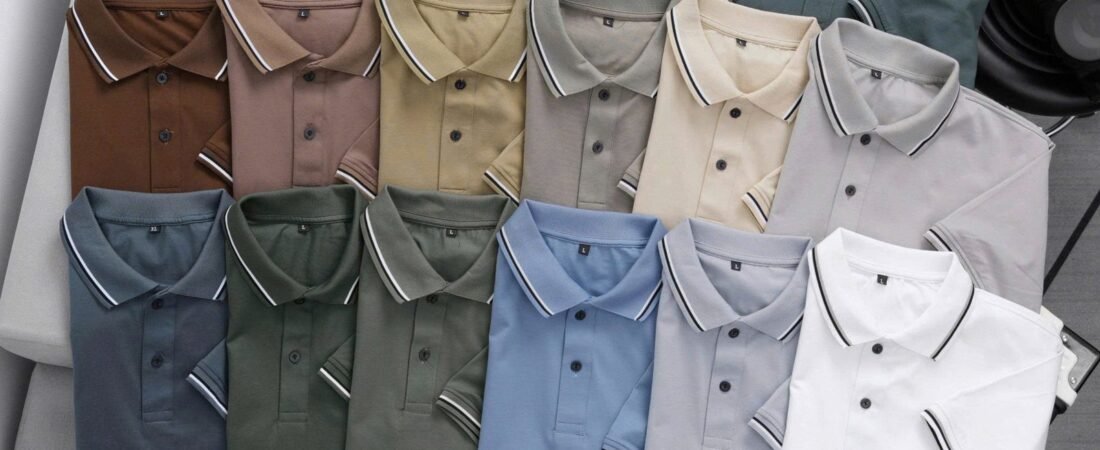
- Polo shirts and everyday basics — lower-trend-risk categories that still move steadily as “restock” content.
MOQ, Pricing and Lead Time: What TikTok Shop Sellers Should Expect
Every factory structures its minimums differently, so treat any number you see online as a starting point for a conversation, not a fixed rule. As a general reference for the categories above, tiered MOQ structures commonly look like this:
- Blank, unbranded apparel: smaller minimums, often in the 50-piece range per style/color, well suited to testing a design before you commit to print runs.
- Printed or decorated apparel (screen print, DTF, embroidery on your own designs): typically starting around 100 pieces per design, once you have committed to a specific graphic.
- Full OEM with your own branding, custom labels, and packaging: typically starting around 200 pieces per style, reflecting the extra setup work involved.
- Structured categories like hoodies, polos, and uniform-style garments: often carry higher minimums, commonly starting around 2,000 pieces, because of the fabric and trim ordering involved.
Sample development usually takes one to two weeks depending on complexity, and bulk production lead times for an established design typically run three to five weeks, though this varies by order size and factory capacity. Sellers testing a brand-new concept should budget for the full cycle — design lock, sampling, revision, and bulk production — rather than assuming they can go from idea to shipped inventory in days.
It also helps to separate one-time setup costs from per-unit costs when comparing quotes. Custom mold or screen fees for printing, embroidery digitizing, and custom label or hang-tag setup are typically one-time charges that get diluted across your order quantity — so the same setup fee looks expensive on a 100-piece order and negligible on a 2,000-piece reorder. Asking a factory to itemize setup costs separately from per-piece production cost makes it much easier to compare quotes across manufacturers and to model your margin accurately as you scale from a test batch to a full reorder.
Step-by-Step: Sourcing Your First (or Next) Production Run
1. Define your niche and first SKU
Pick one product you can validate quickly rather than launching a full collection. TikTok Shop rewards focused, testable listings.
2. Request samples before committing
Order a physical sample, not just a digital mockup. Fabric hand-feel, stitching quality, and true color are impossible to judge from a photo.
3. Lock artwork, sizing, and labeling
Finalize your design files, size chart, and label/tag specifications before bulk production starts — changes after cutting begins are costly and slow.
4. Confirm MOQ, pricing, and lead time in writing
Get a written production timeline and per-unit cost breakdown, including what happens if you need to reorder quickly after a video takes off.
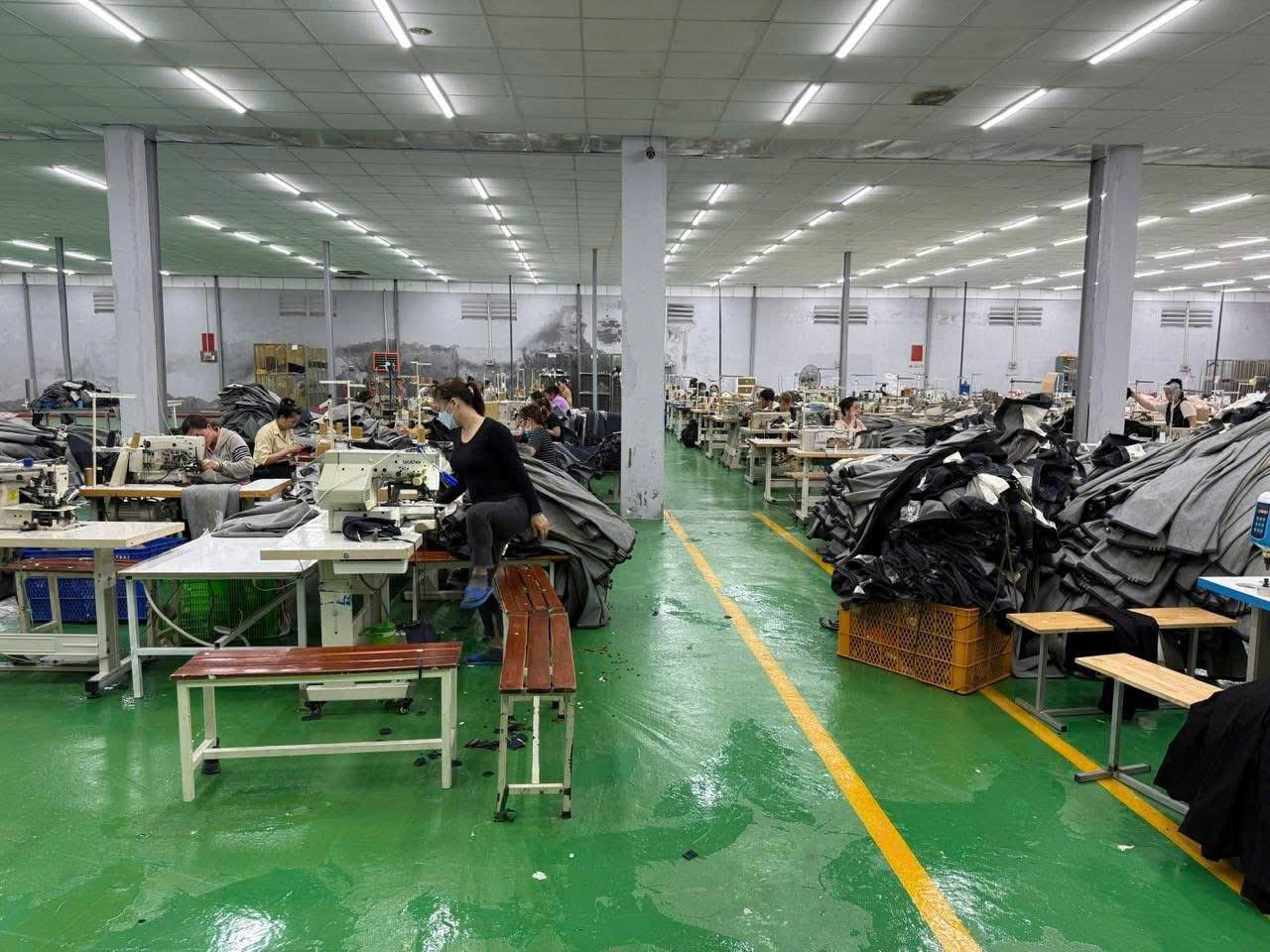
5. Bulk production with scheduled QC checkpoints
Ask what quality checks happen during cutting, sewing, and pre-shipment — not just a single inspection at the very end.
6. Plan shipping to your fulfillment point
Decide whether inventory ships to your own warehouse, a 3PL, or a TikTok Shop-compliant fulfillment partner, and confirm your factory can produce the documentation international shipping requires.
Why Lead Time Matters More for TikTok Shop Than Traditional Retail
Traditional wholesale buyers plan inventory months in advance. TikTok Shop does not work that way — a single video can turn a slow-moving SKU into your top seller within days, and the platform’s algorithm tends to reward listings that stay in stock and keep shipping fast. A factory that cannot turn around a reorder within a few weeks effectively caps your growth at whatever your first production run happened to be, regardless of how well the product performs.
Turning Your Factory Relationship Into TikTok Content
Manufacturing itself has become content on TikTok Shop — “factory tour,” “how it’s made,” and sourcing-transparency videos are commonly reported to build buyer trust and reduce return rates, because customers can see fabric quality and production standards before they buy. A factory that is comfortable sharing production footage, sample development photos, or a short video call from the cutting floor gives a TikTok Shop brand raw material for exactly the kind of content that performs well on the platform, in addition to the product itself. This is worth asking about during factory selection, since not every manufacturer is set up — or willing — to support that level of transparency.
Quality Control Checkpoints Before Your Order Ships
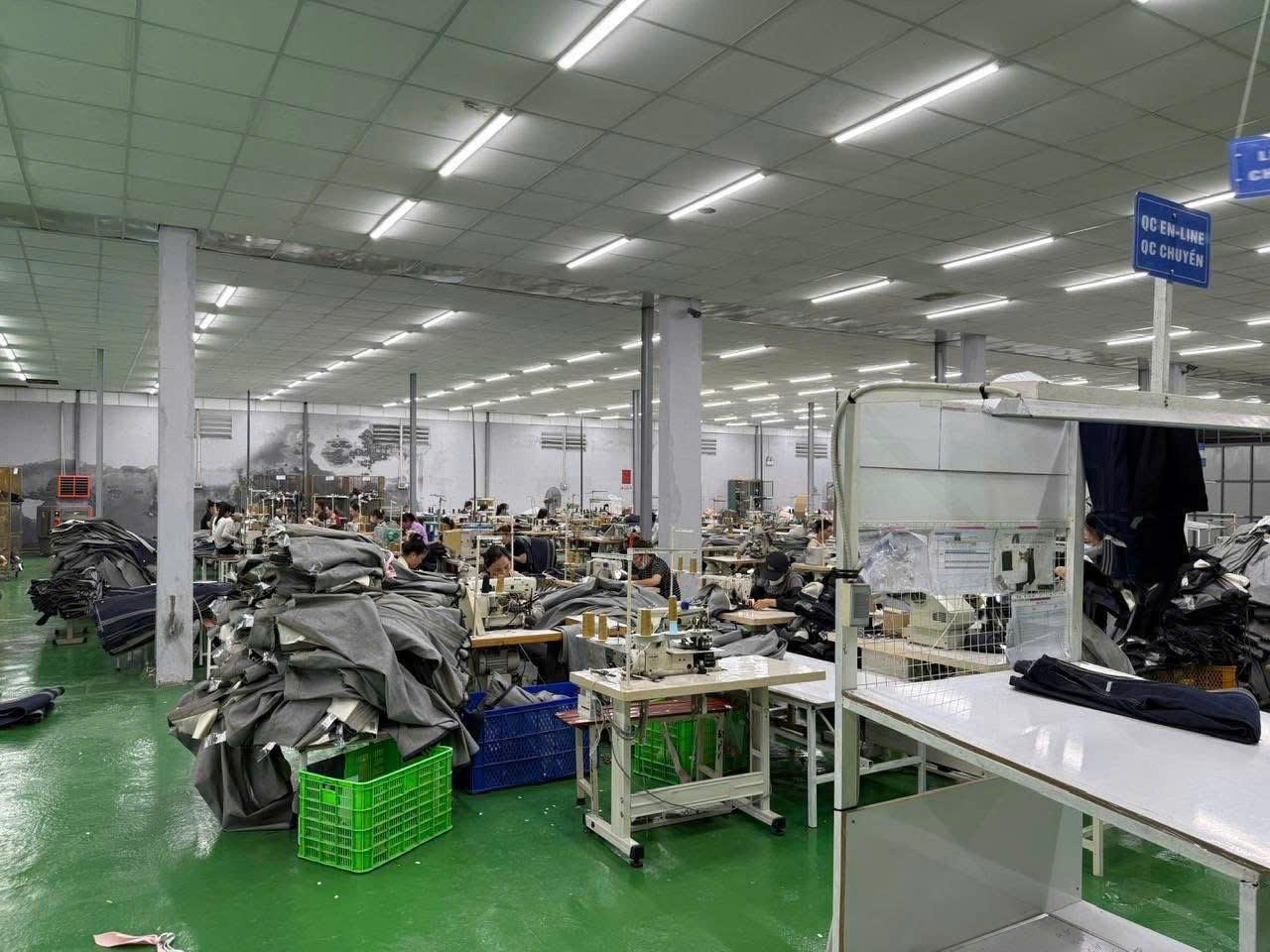
Consistent quality matters even more for TikTok Shop brands than for traditional retail, because unboxing videos and product reviews are themselves marketing content — a stitching defect or color mismatch does not just cost you a return, it can end up in a public video. A dependable OEM partner runs inspections at multiple stages: incoming fabric checks, in-line inspection during sewing, and a final pre-shipment inspection covering measurements, stitching, print/embroidery placement, and packaging accuracy before goods leave the factory.
Vietnam vs. Alternative Sourcing Options for TikTok Shop Brands
- China: Often cheaper at very high volumes and offers a wide supplier base, but many TikTok Shop sellers now weigh tariff exposure and IP/counterfeit risk more heavily than in past years, which has pushed diversification toward Vietnam.
- India: Strong for cotton-heavy and ethnic-influenced pieces, with more vertically integrated fabric sourcing, but reported lead times and MOQ flexibility for small, trend-driven runs are often less favorable than Vietnam’s cut-and-sew model.
- Domestic print-on-demand: The lowest MOQ option and useful for very early testing, but per-unit costs are typically much higher, which compresses margin once a product starts selling in volume — exactly the point where a factory relationship becomes more valuable.
Common Sourcing Mistakes TikTok Shop Sellers Make
Ordering full OEM before validating the design
It is tempting to go straight to custom branding and packaging once you love a design. The more capital-efficient path is testing the same design as a blank or simply-decorated piece first, then committing to full OEM once sales data confirms demand.
Choosing the cheapest quoted unit price without checking fabric weight
Two quotes for “the same” hoodie can use noticeably different fabric weights (GSM) and blends. A lower price per piece sometimes means a thinner fabric that increases return rates once customers receive it — which damages your TikTok Shop seller rating far more than a slightly higher unit cost would have.
Skipping a written production timeline
Verbal estimates like “about a month” are not a production plan. Ask for a dated timeline covering sampling, fabric procurement, cutting, sewing, QC, and shipping, so you know exactly when inventory will land relative to a content calendar or planned promotion.
Underestimating shipping and customs lead time
Factory production time is only part of the timeline. Ocean freight from Vietnam to the US commonly takes several weeks on top of production, and air freight, while faster, adds meaningfully to landed cost. Sellers who only plan around “factory lead time” are frequently surprised by how long inventory actually takes to reach a US or EU warehouse.
Not asking about reorder priority
Some factories treat every order as first-come, first-served regardless of order history. Ask upfront whether returning customers get priority production slots — this becomes critical the first time a design goes viral and you need a fast reorder.
Payment Terms and Moving Money to a Vietnam Factory Safely
Most Vietnam garment factories work on a deposit structure — commonly a percentage upfront to confirm the order and begin fabric procurement, with the balance due before or upon shipment. International wire transfer (T/T) is the standard payment method for B2B garment orders; new sellers should be cautious of any supplier who only accepts payment through informal channels or personal accounts rather than a registered business account, and should confirm banking details directly with a verified factory contact rather than trusting details received only by email, given how common invoice-fraud attempts are in cross-border sourcing. For first orders, it is reasonable to ask whether a smaller trial order is available before committing to a full production run’s deposit.
A Common Growth Pattern: From Viral Video to Bulk Reorder
A pattern frequently reported among TikTok Shop apparel sellers looks something like this: a creator posts a video featuring a blank or lightly branded piece, the video gains traction, and orders spike well beyond the seller’s first small batch within days. Sellers who had already tested the SKU through a low-MOQ blank order — and who had a factory relationship in place rather than a one-off marketplace purchase — are the ones able to place a bulk reorder immediately and keep the listing in stock while demand is highest. Sellers still sourcing through a single dropship order at that moment typically lose several weeks of peak sales window simply waiting on a new supplier relationship to get set up.
Import and Tariff Considerations for US and EU TikTok Shop Sellers
Sellers importing finished clothing from Vietnam into the US, UK, or EU should budget for standard apparel duty rates and normal customs clearance, which vary by garment category and fabric composition under the Harmonized System (HS) code assigned to each product. This is general background, not customs or trade advice — duty rates, de minimis thresholds, and documentation requirements change and differ by destination country, so sellers should confirm current rules with a licensed customs broker or freight forwarder before finalizing landed-cost calculations. A capable factory can typically supply the commercial invoice, packing list, and certificate of origin documentation a broker will need, which is worth confirming during your factory evaluation.
Choosing the Right OEM Partner: A Checklist for TikTok Shop Sellers
- Tiered MOQs that let you test small before committing to bulk
- Sample turnaround under two weeks
- In-house pattern making and sampling, not outsourced
- Documented QC process at multiple production stages
- Experience with custom packaging, labels, and branded inserts
- Capacity headroom to handle a sudden reorder spike
- Clear, written pricing by MOQ tier and reasonable payment terms
- English-speaking sales/production contact for fast back-and-forth
Why AT Garment Factory
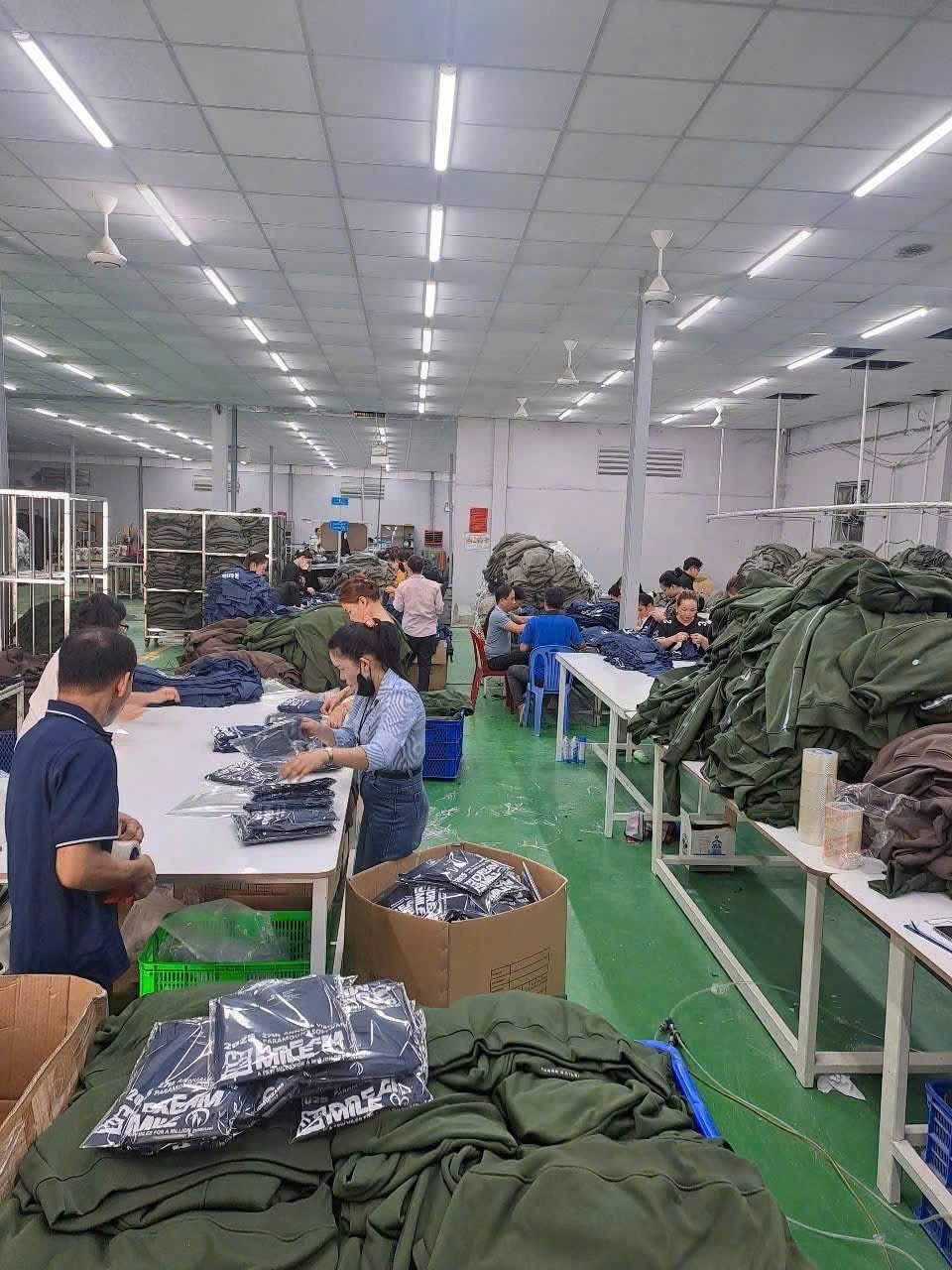
AT Garment Factory is a garment manufacturer based in Binh Tan, Ho Chi Minh City, Vietnam, with more than 10 years of production experience and monthly capacity above 100,000 pieces. The factory works with OEM, ODM, and private label brands, including TikTok Shop and Amazon sellers, offering tiered MOQs starting from 50 pieces for blank apparel, 100 pieces for printed designs, 200 pieces for full OEM branded orders, and 2,000 pieces for structured categories like hoodies, polos, and uniforms. Production covers polo shirts, cotton t-shirts, sportswear, denim, hoodies, sweatshirts, kids’ clothing, and men’s and women’s apparel, with in-house sample development and multi-stage quality control.
TikTok Shop has changed how fast a clothing brand can grow, but it has not changed the fundamentals of sourcing well: test small, validate before you scale, and pick a manufacturing partner who can move at your speed once a design takes off. Sellers who treat their factory as a long-term production partner — rather than a one-time marketplace purchase — are consistently the ones who turn a single viral video into a repeatable business.
Ready to source your next TikTok Shop collection from a factory built for fast-moving fashion brands? Email thanhtung113123@gmail.com, message us on WhatsApp, or reach out on Zalo to discuss your MOQ, timeline, and first sample run.
Frequently Asked Questions
What is the minimum order quantity for a TikTok Shop clothing brand sourcing from Vietnam?
MOQs are typically tiered: around 50 pieces for blank, unbranded apparel used for testing; around 100 pieces once you commit to a printed design; around 200 pieces for full OEM orders with your own branding and packaging; and around 2,000 pieces for structured categories like hoodies, polos, and uniforms.
How long does it take to get a sample before placing a bulk order?
Sample development commonly takes one to two weeks depending on the complexity of the design, fabric sourcing, and any revisions needed after the first sample is reviewed.
Can a Vietnam factory ship directly to my 3PL or fulfillment center for TikTok Shop?
Most established Vietnam manufacturers can arrange export shipping and documentation to a buyer-designated fulfillment center or 3PL, though sellers should confirm incoterms, customs documentation, and delivery timelines with the factory before finalizing an order.
Is manufacturing in Vietnam more expensive than China for small TikTok Shop orders?
Per-unit pricing depends heavily on order volume, fabric, and decoration method, and varies by factory. Many sellers now weigh Vietnam’s tariff position and reported IP/quality consistency alongside raw unit cost rather than comparing price in isolation.
What clothing categories currently perform best for TikTok Shop sellers?
Reported strong categories include streetwear tees and hoodies, denim shorts and jackets, athleisure and sportswear sets, kids’ streetwear, and everyday basics like polo shirts — though performance shifts with trend cycles, so ongoing testing matters more than any single “best” category.
Do I need a registered brand before placing an OEM order with a factory?
Not necessarily. Many sellers start with blank or lightly branded apparel while still testing their niche, then move to full OEM with custom labels and packaging once a design and brand identity are validated. A flexible factory should support both stages without forcing a full OEM commitment upfront.
Related Reading
- Private Label Clothing Manufacturer in Vietnam: Complete 2026 Guide
- Sportswear Manufacturer in Vietnam: A Complete OEM/ODM Guide
- Hoodie & Polo Shirt Manufacturer in Vietnam
- How to Order Custom Clothing from a Vietnam Factory: Buyer’s Guide
- Vietnam Garment Factory Quality Control
Explore our full product range, learn more about our manufacturing services, or contact our team to discuss your TikTok Shop production run.