If you import clothing from Vietnam, the single most useful quality sentence you can write into a purchase order is short: “Final inspection per ISO 2859-1, General Level II, AQL 0 critical, 2.5 major, 4.0 minor.” Those few words turn a vague promise of “good quality” into a measurable, enforceable standard that both you and the factory can verify before a container leaves the port. This guide explains how AQL inspection for garments actually works, how to read the sampling tables, how to decide which defects are critical, major or minor, and how to write the rules into your OEM or private label contract so that disputes are settled by numbers instead of opinions.
It is written for importers, buying offices, Amazon and TikTok Shop brand owners, and uniform buyers who place orders of roughly 2,000 pieces and up. If you are still choosing a factory, read our overview of how a Vietnam garment factory controls quality first, then return here for the statistical details.
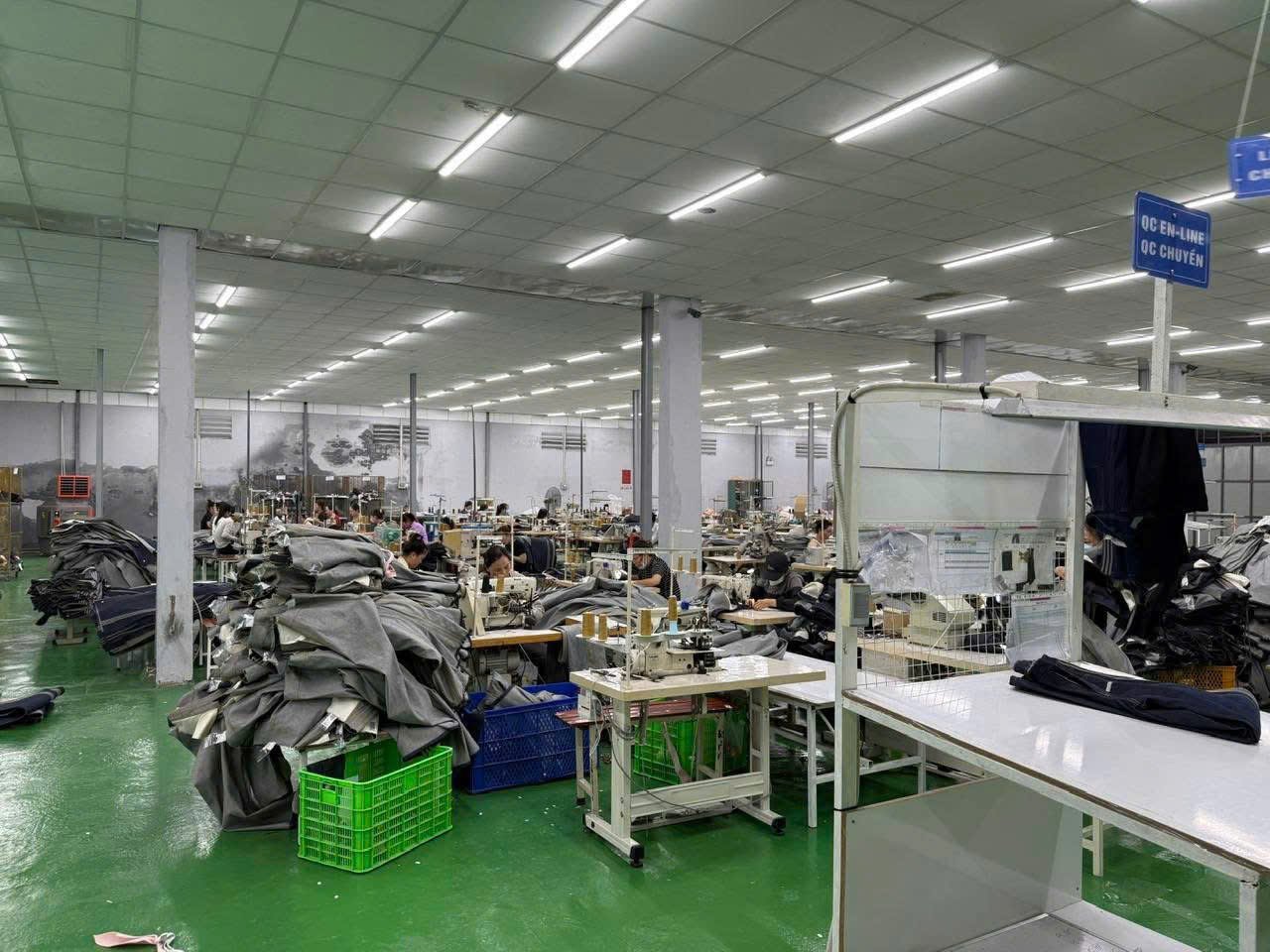
Table of Contents
- What AQL Means in Garment Manufacturing
- Why Importers and Brands Rely on AQL
- Critical, Major and Minor Defects: How They Are Classified
- How to Read the Sampling Table (Level II Example)
- The Four Inspection Moments in an Apparel Order
- Measurements, Tolerances and Fabric Specifications
- Defects Specific to Printing, Embroidery and Trims
- How to Write AQL Into Your Purchase Order and Contract
- Who Should Do the Inspection: Factory QC, Your Own Team or a Third Party
- What to Do When a Lot Fails AQL
- Setting the Right AQL for Different Buyer Types
- What AQL Inspection Costs and How Long It Takes
- Common AQL Mistakes to Avoid
- How AT Garment Factory Approaches Inspection
- Frequently Asked Questions About AQL Inspection for Garments
- Conclusion: Make Quality a Number, Not an Opinion
What AQL Means in Garment Manufacturing
AQL stands for Acceptable Quality Limit (many buyers still say Acceptable Quality Level). It is the maximum defect rate, in a random sample, that a buyer is prepared to treat as acceptable for a given production lot. It is not a promise that your whole order contains only a certain percentage of defects, and it is not a guarantee of zero defects. It is a sampling rule: inspect a defined number of pieces, count the defects you find, and compare the count with a fixed accept/reject number.
The framework most apparel buyers use comes from ISO 2859-1 (the closely related ANSI/ASQ Z1.4 is its US counterpart). The standard was designed so that checking every piece in a 5,000-piece lot is unnecessary: a well-chosen random sample gives a statistically reasonable picture of the whole lot. That is why a professional inspector will open cartons at random, pull pieces from different cartons and sizes, and refuse to inspect only the pieces the factory has set aside.
Three ideas sit underneath every AQL report: the lot size (how many units are ready for inspection), the inspection level (how large the sample is relative to the lot), and the defect classification (how serious each type of defect is). Get these three right in your PO and most quality arguments never happen.
Why Importers and Brands Rely on AQL
Without an agreed standard, every defect becomes an argument. A buyer sees a crooked label and calls it unacceptable; the factory calls it cosmetic. AQL removes that friction because both sides agree in advance on how many of each defect type are tolerable. Industry reporting suggests that a meaningful minority of apparel inspections fail buyer requirements; QIMA’s 2024 Quality & Ethics Index, for example, is commonly cited as showing roughly one in five apparel and footwear inspections failing the buyer’s AQL. That is a useful reminder that the standard has teeth, and that factories which pass consistently have strong process control rather than luck.
- Objective pass/fail decision. The inspector counts defects and compares them with the table. The result is the same no matter who is in the room.
- Cost control. Inspecting 125 pieces from a 2,000-piece lot is far cheaper than a 100% check, yet it catches systemic problems such as wrong measurements or a bad wash.
- Leverage in negotiation. A failed report gives you a documented basis to request rework, a re-inspection or a price adjustment.
- Retailer and marketplace readiness. Large retailers and Amazon sellers often need documented inspection evidence when something goes wrong with a customer complaint or a return wave.
Critical, Major and Minor Defects: How They Are Classified
Not every defect is equal, so AQL uses three severity classes, each with its own limit. Defining them in writing, ideally with photos, is the most valuable half-hour of preparation you can do before production starts.
Critical defects (AQL 0)
A critical defect is one that makes the product unsafe or illegal to sell. Because the limit is zero, a single critical defect fails the lot. Typical garment examples include a broken needle fragment left in a garment, drawstrings in the hood or neck area of children’s clothing that exceed the regulated length, small detachable parts that create a choking hazard, restricted chemical content, and sharp or exposed hardware. If you sell kids’ wear, our guide to working with a kids clothing manufacturer in Vietnam covers the safety rules that turn ordinary defects into critical ones.
Major defects (AQL 2.5 as the common default)
A major defect would likely cause the end customer to return the item or would make it unsellable at full price. Examples are measurements outside the agreed tolerance, an open seam, a broken or sticking zipper, a visibly wrong shade, a hole or stain, a missing care label, a misplaced embroidery or an unreadable print. AQL 2.5 is widely treated as the default for major defects in consumer apparel.
Minor defects (AQL 4.0 as the common default)
A minor defect is a small departure that is unlikely to cause a return on its own: a loose thread end, a slightly uneven stitch, a small print offset, a light crease from packing. Many buyers set minor defects at AQL 4.0, while basics and commodity programs sometimes relax this further.
The sorting should depend on your product and your customer. A tiny shade variation across a plain white T-shirt may be major for a premium brand but minor for a promotional giveaway. Write your own defect list, add photographs of borderline cases, and attach it to the PO so the inspector is not forced to interpret.
How to Read the Sampling Table (Level II Example)
Once you know your lot size and inspection level, the standard gives you a code letter, the code letter gives you a sample size, and the sample size plus your AQL gives you the accept and reject numbers. “Accept” is the highest number of defects that still passes; “reject” is the number at which the lot fails. Most apparel buyers use General Inspection Level II unless there is a reason to tighten or loosen it. The figures below reflect the commonly published single-sampling plan for normal inspection under ISO 2859-1; always confirm against the current standard or your inspection company’s tables before you finalise a contract.
| Lot size (units) | Code letter | Sample size | Critical (AQL 0) | Major (AQL 2.5) accept/reject | Minor (AQL 4.0) accept/reject |
|---|---|---|---|---|---|
| 281–500 | H | 50 | 0 / 1 | 3 / 4 | 5 / 6 |
| 501–1,200 | J | 80 | 0 / 1 | 5 / 6 | 7 / 8 |
| 1,201–3,200 | K | 125 | 0 / 1 | 7 / 8 | 10 / 11 |
| 3,201–10,000 | L | 200 | 0 / 1 | 10 / 11 | 14 / 15 |
| 10,001–35,000 | M | 315 | 0 / 1 | 14 / 15 | 21 / 22 |
A worked example: a 2,000-piece hoodie lot
Suppose you order 2,000 hoodies, which is also the typical starting MOQ for hoodies, polos and uniforms at AT Garment Factory. Under General Level II, a lot of 1,201–3,200 units falls under code letter K, so the inspector pulls 125 pieces at random across cartons, colors and sizes. During the check the inspector finds 6 major defects and 9 minor defects and no critical defects. With a major limit of accept 7 / reject 8, six major defects pass. With a minor limit of accept 10 / reject 11, nine minor defects also pass. The lot passes, although the inspector’s notes will still flag the recurring issues so the factory can fix them in the next run.
Now change one number: if the same inspection found 8 major defects, the lot fails even though only 6.4% of the sample was affected. This is the part many first-time buyers misunderstand: the table is a threshold, not an average. A sample failure does not mean 6.4% of the lot is bad; it means the evidence is strong enough that the lot, as presented, does not meet the agreed standard.
Choosing the inspection level
- Level I uses a smaller sample. It is occasionally chosen for stable, trusted factories or when inspection is expensive.
- Level II is the standard default for routine consumer goods. Most OEM apparel programs begin here.
- Level III uses a larger sample. Buyers commonly choose it for a new supplier, a poor quality history, safety-sensitive products, or a first run of a complex style.
A practical approach is to start at Level III for the first one or two orders with any new factory, then move to Level II once the factory has demonstrated consistent results. Many brands also tighten the major limit to 1.5 for premium products or children’s wear and relax the minor limit to 6.5 for low-risk basics.
The Four Inspection Moments in an Apparel Order
AQL sampling is a tool; when you use it matters as much as how. A final inspection can tell you that a lot is bad, but by then the fabric is cut and the sewing is finished. Experienced buyers spread inspections across the order so problems are found while they are still cheap to fix.
- Pre-production inspection (PPI). Before cutting, the inspector checks fabric, trims, labels, approved samples and test reports. It is most valuable for new factories, new fabrics or compliance-critical products.
- During-production inspection (DUPRO or inline). Typically carried out when roughly 20–30% of the units are finished. It catches systemic issues such as a measurement drifting from the spec sheet or a recurring stitching fault while the line can still correct course.
- Final random inspection (FRI). Carried out when at least 80% of the order is packed, and ideally 100%. This is the inspection where the AQL table is applied formally and the pass/fail verdict is issued. Treat it as the minimum for every shipment.
- Container loading supervision. A check during loading to verify carton counts, carton condition and shipping marks. It is worth the fee for high-value orders or fragile packaging.
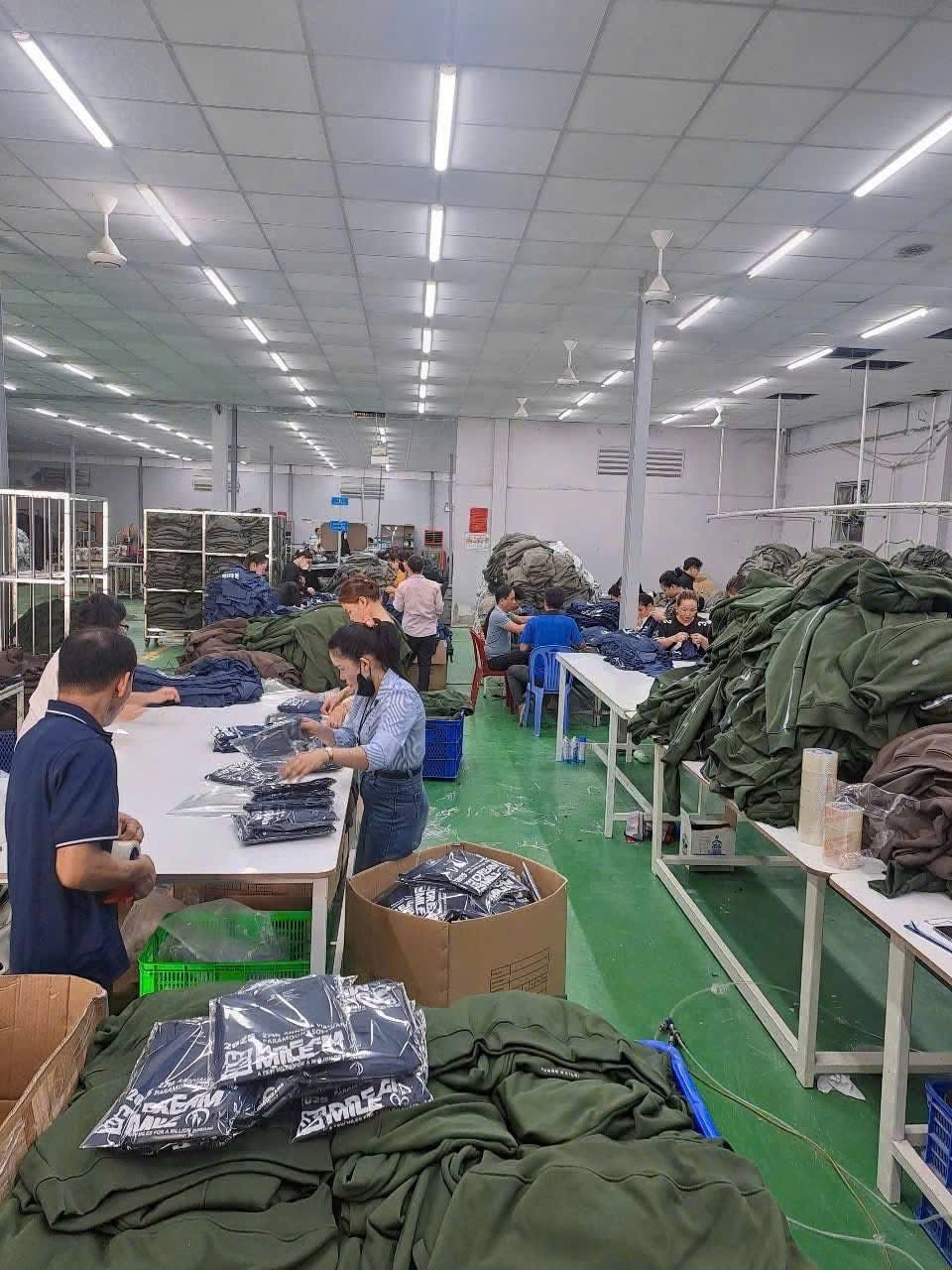
To see how these checkpoints fit into the full calendar of an order, including sampling, bulk production and shipping, read our garment production lead time guide. Build inspection dates into your schedule: a final inspection that fails with no buffer before the vessel cut-off leaves you choosing between late delivery and shipping defective goods.
Measurements, Tolerances and Fabric Specifications
Many of the defects that fail AQL inspections are not cosmetic at all. They are specification failures. A hoodie that measures 2 cm short in the chest, a T-shirt that shrinks beyond the agreed percentage after washing, or a fabric that is lighter than the approved GSM will be written up as major defects. That is why the technical documents you hand the factory matter before any inspector arrives.
- A complete tech pack with a graded size chart, points of measure and tolerances. See our tech pack and sample development guide for a template structure.
- Fabric weight and composition stated with a tolerance. Our T-shirt GSM guide and French terry vs fleece hoodie guide explain how weight claims are typically checked.
- An approved pre-production sample that the inspector uses as the physical reference for color, hand-feel, label placement and construction.
- Wash and shrinkage targets where relevant, especially for denim and cotton knits. For denim programs, see our guide to denim and jeans manufacturing.
Measurement tolerances are commonly set around ±1 to 2 cm depending on the point of measure and garment type, with tighter limits on critical fit points such as chest width and inseam. Agree these numbers with the factory when you approve the sample, not when you open the cartons.
Defects Specific to Printing, Embroidery and Trims
Decoration is where private label garments most often pick up defects, because it adds a second production step on top of cut-and-sew. Typical issues include print placement drifting from the approved position, cracked or peeling ink after washing, thread puckering around embroidery, loose backing visible on the inside, and logo colors that differ across lots. If you are deciding between decoration methods, our comparison of screen printing, embroidery, DTG and DTF describes how each method behaves in bulk and what inspectors should look for.
Trims deserve the same attention: zipper function, snap strength, drawcord length, label placement and care-label content. Missing or wrong labels are usually classified as major because they can create legal and customs problems in the destination market, and they cost real money to correct once cartons are sealed.
How to Write AQL Into Your Purchase Order and Contract
An AQL standard that exists only in an email thread tends to be forgotten. Put it in the PO, the sample approval form or the supplier agreement. A short clause is enough, provided it removes ambiguity.
- Standard and level: “Final inspection per ISO 2859-1, single sampling, normal inspection, General Level II.”
- Limits: “AQL 0 for critical, 2.5 for major, 4.0 for minor defects.”
- Defect list: attach a classified defect list with photos, and state that unlisted defects will be classified by the inspector in line with the list’s logic.
- Timing: “Goods must be at least 80% packed (and 100% completed) when inspection starts, with all cartons accessible.”
- Failure remedy: sort and rework at the factory’s cost, then re-inspection at the factory’s cost (or shared, as negotiated), before payment of the balance and before shipping.
- Payment link: release the balance only after a passing report. If you use a letter of credit or a deposit/balance structure, align the inspection date with the payment milestone.
If you are comparing delivery terms at the same time, remember that inspection responsibility and risk transfer interact with shipping terms; our FOB vs EXW vs DDP Incoterms guide explains where your risk starts, which affects when you must have the inspection completed.
Who Should Do the Inspection: Factory QC, Your Own Team or a Third Party
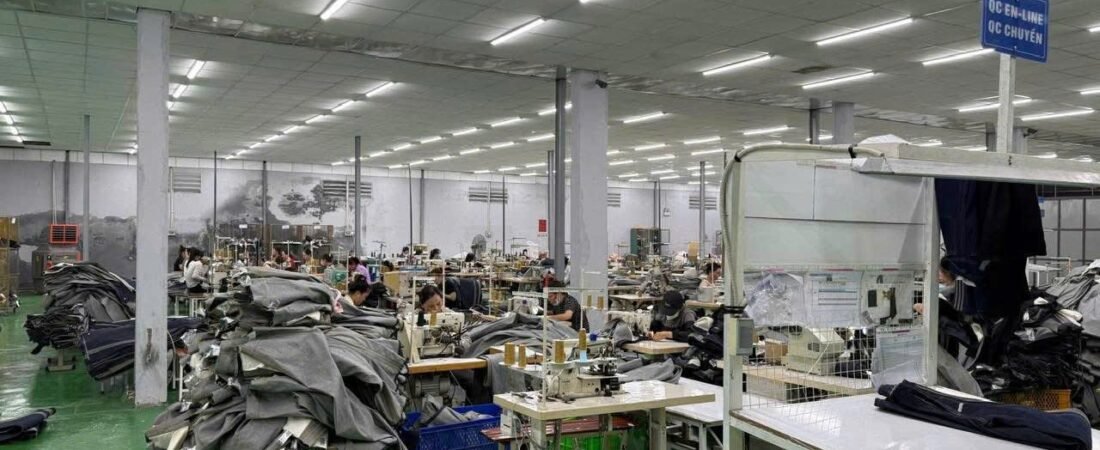
There are three realistic options, and many buyers combine them. The factory’s own QC team inspects continuously and should catch most problems long before you see them; a well-run Vietnamese factory has inline inspectors at sewing stations, end-of-line checkers, and a final audit team. A buyer’s own team or buying office can visit and perform an independent AQL check. A third-party inspection company provides an impartial report, a standard format and a mark of neutrality that retailers and lenders often accept.
For buying offices and sourcing agents, this is routine, and we describe the workflow in our guide for buying offices and sourcing teams. For smaller brands placing a first order, a third-party inspection at the final stage is typically the best-value protection, because it costs a small fraction of the order value and gives you leverage if something is wrong. Whichever route you choose, ask the factory to share its internal inspection records too: consistent internal data is a strong signal of process discipline.
What to Do When a Lot Fails AQL
A failed inspection is not a catastrophe if you planned for it. The usual sequence is: obtain the full report with photos; classify the failing defects and find the root cause (was it one operator, one machine, one batch of fabric?); require the factory to sort 100% of the lot, repair or replace defective pieces, and document the corrective action; then schedule a re-inspection with the same inspector and the same standard. Do not accept a re-inspection at a lower sample size or a looser limit as a favor to the factory, because that undermines the standard for every later order.
If defects are repairable, such as loose threads or minor stains, rework is usually quick. If they are structural, such as wrong measurements across a size run, remaking pieces takes longer and your delivery date must be reset. This is why experienced buyers book the final inspection several days before the booking cut-off, and why the during-production inspection is worth its fee on larger lots.
Setting the Right AQL for Different Buyer Types
- Amazon and TikTok Shop brands: returns and negative reviews directly hit rankings and ad efficiency, so many sellers use Level II with tighter majors (1.5 to 2.5) and strict label and packaging checks. See our guides on Amazon FBA clothing supply from Vietnam and TikTok Shop clothing manufacturing.
- Fashion and streetwear brands: premium positioning favors AQL 1.5 on majors and strict color and print standards, since customers notice shade and finishing. Our hoodie and polo shirt production guide describes the usual details.
- Uniform buyers: consistency across hundreds of garments matters more than perfection on any single piece. Shade matching, size accuracy and logo placement should be controlled tightly. See uniform manufacturing for corporate, school and hospitality clients.
- Wholesalers and importers of basics: a standard 0 / 2.5 / 4.0 plan, or relaxed minors, suits plain T-shirts and commodity programs where price is the main driver.
What AQL Inspection Costs and How Long It Takes
Third-party inspection is typically priced per inspector per day, and a final inspection of a few thousand pieces is commonly completed in one inspector-day, with the report delivered within a day or two. The fee is small compared with the cost of returns, chargebacks or a rejected shipment. Buyers who inspect only after the goods arrive in the destination country lose their strongest leverage: once cartons have crossed the ocean, recovering money from the factory becomes slow and uncertain.
When you plan your landed cost, include inspection as a standard line item next to freight and duties. If you have not built a cost model yet, our low MOQ clothing manufacturing guide and private label manufacturing guide show how order size, decoration and testing choices influence unit price.
Common AQL Mistakes to Avoid
- Leaving AQL out of the PO and trying to enforce it afterwards.
- Inspecting before the goods are sufficiently packed, so the sample is not truly random.
- Using one blanket AQL for products with very different risk, such as a plain tee and a kids’ hoodie with a drawcord.
- Failing to define defect photos, so the inspector and factory classify the same flaw differently.
- Treating a pass as the end of the conversation. Recurring minor defects often signal a process issue that will eventually produce a major one.
- Letting the factory choose which cartons are opened. The inspector must select them.
- Booking the inspection too close to the vessel cut-off with no time for rework.
Our companion article on the top mistakes to avoid when working with overseas factories covers the wider set of supplier-management errors that cause quality failures before the inspector even arrives.
How AT Garment Factory Approaches Inspection
AT Garment Factory is a Ho Chi Minh City manufacturer in Binh Tan with more than ten years of experience and capacity above 100,000 pieces per month. Our minimum order quantities start at 50 pieces for blank garments, 100 for printed items, 200 for OEM branded orders and 2,000 for hoodies, polos and uniforms. We work with clients’ own AQL requirements or help you define a sensible plan, and we welcome third-party inspectors and buying-office QC teams at our site. If you share your tech pack, defect list and target market, we will tell you plainly which AQL levels are realistic for the product and which additional tests to schedule.
See what we produce on our products page and how an order flows through our services page, or contact the team to discuss your own inspection plan.
Frequently Asked Questions About AQL Inspection for Garments
What AQL should I use for clothing?
The most common starting point is AQL 0 for critical defects, 2.5 for major and 4.0 for minor, at General Inspection Level II. Children’s wear and premium products often tighten majors to 1.5, and low-risk basics sometimes relax minors to 6.5.
How many garments does an inspector check from a 5,000-piece order?
Under General Level II, a lot of 3,201–10,000 units uses code letter L, which means a sample of 200 pieces. At AQL 2.5 the lot passes with up to 10 major defects and fails at 11, and at AQL 4.0 for minor defects it passes with up to 14 and fails at 15.
Does AQL guarantee that only 2.5% of my order is defective?
No. AQL is a sampling decision rule, not a guarantee of the actual defect rate in the lot. A passing result means the sample evidence did not cross the reject threshold. It is still possible for a lot to contain some defective pieces, which is why clear specifications and inline controls matter as well.
When should the final inspection be done?
When the order is fully produced and at least 80% packed, ideally 100%. Inspecting earlier means the inspector samples only part of the lot, and defects found later may not be covered.
Who pays for rework and re-inspection if the lot fails?
That is a commercial point to settle in the contract. The common position is that the factory bears the cost of sorting, rework and a re-inspection when the failure is due to workmanship. Put the rule in the PO before production starts.
Can I run my own AQL inspection without a third party?
Yes. Many brands and buying offices do, using their own QC staff and the ISO 2859-1 tables. A third party adds neutrality and a standard report format, which becomes valuable if you have to claim against the factory or satisfy a retailer.
Conclusion: Make Quality a Number, Not an Opinion
AQL inspection works because it replaces opinion with an agreed procedure: define the lot, choose the level, classify the defects, count the sample and compare with the table. When you write that procedure into the PO and combine it with a clear tech pack, an approved sample and inspections at the right moments, your factory knows exactly what is expected, and you know exactly what you are entitled to when something goes wrong. Quality then stops being a gamble you discover at the warehouse and becomes a managed part of the order.
Ready to plan your next order with measurable quality standards? Email thanhtung113123@gmail.com, message us on WhatsApp or Zalo, and send your tech pack for a quotation and an inspection plan.