
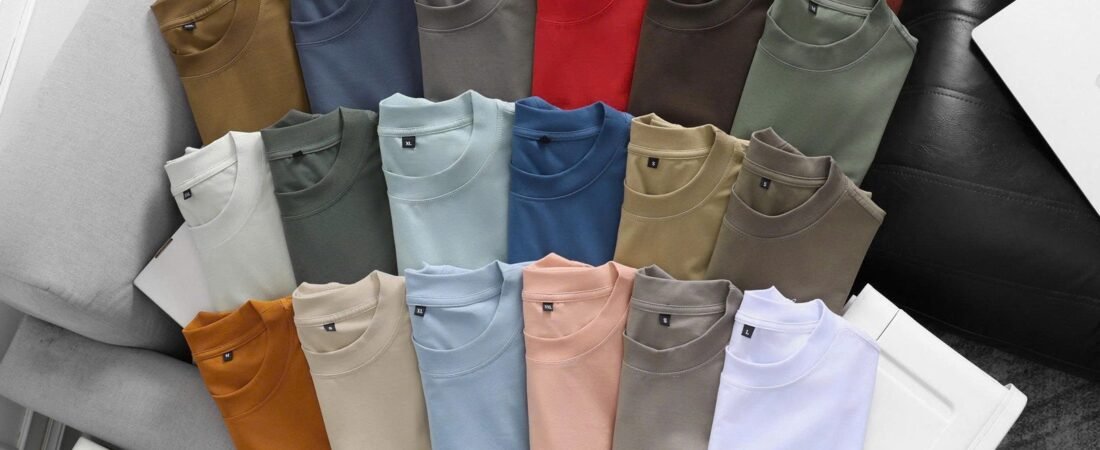
If you only remember one number from a tech pack, make it the fabric weight. GSM (grams per square meter) decides how a t-shirt drapes, how it feels at the shoulder, how well it prints, how it survives the tenth wash, and how much of your landed cost goes into cotton. This t-shirt GSM guide is written for importers, private label founders, Amazon and TikTok Shop sellers and buying offices who order from a garment factory in Vietnam and need to choose a fabric weight with confidence rather than copying a competitor’s hangtag.
At AT Garment Factory in Bình Tân, Ho Chi Minh City, the single most common reason a first sample misses the brief is not the cut or the print. It is a GSM that was never clearly defined, so buyer and factory each assumed a different “midweight”. Below we explain what GSM really measures, how the ranges behave in real orders, and how to specify and verify fabric weight so the bulk matches the approved sample.
Table of Contents
- What GSM Actually Measures
- T-Shirt GSM Ranges: Lightweight to Heavyweight
- Matching GSM to Climate and Target Market
- How GSM Affects Printing and Embroidery
- Why GSM Alone Is Not Quality: Yarn, Knit and Finishing
- GSM and Cost: What Heavier Fabric Really Does to Your FOB Price
- How to Specify GSM in a Tech Pack
- Testing and Tolerance: Verifying GSM Before Bulk
- GSM Choices by Sales Channel
- Common GSM Mistakes Importers Make
- Frequently Asked Questions
- Conclusion and Next Steps
What GSM Actually Measures
GSM is the mass of one square meter of finished fabric, expressed in grams. A 180 GSM jersey weighs 180 g for every square meter laid flat. In the US you will also see ounces per square yard; as a rough rule, 1 oz/yd² is about 34 GSM, so 6.5 oz is roughly 220 GSM. Always write GSM in the tech pack even if your market thinks in ounces, because it removes conversion ambiguity.
Two details matter for buyers. First, GSM is a property of the fabric, not of the finished garment, so a size XL tee uses more fabric than a size S but both are cut from the same GSM. Second, GSM is measured on the finished, relaxed fabric after dyeing, compacting and finishing. Greige (unfinished) fabric can read quite differently, which is why a spec should always state “finished GSM”.
GSM also tells you nothing about fiber content. A 200 GSM cotton jersey and a 200 GSM polyester jersey weigh the same per square meter but feel, breathe and wear very differently. Treat GSM as one of four linked variables: fiber, yarn, knit structure and weight.
T-Shirt GSM Ranges: Lightweight to Heavyweight
There is no official standard, and published guides draw the lines slightly differently. Commonly cited classifications put lightweight tees at roughly 120–160 GSM, midweight at 160–200 GSM, and heavyweight at 200 GSM and above, with some sources adding a separate 240+ GSM tier for streetwear. Industry figures suggest that anything below about 160 GSM is generally viewed as entry-level, while around 220 GSM (about 6.5 oz) is often cited as a minimum for a “premium blank”. Use these as orientation, then confirm with swatches.
- 120–150 GSM (lightweight): promotional and event tees, hot-climate basics, layering pieces. Very breathable, but more see-through in light colors and more prone to twisting after washing.
- 160–180 GSM (light-midweight): the workhorse of retail basics and fast-fashion tees. Holds shape reasonably well, keeps cost low, and suits most warm-weather markets.
- 180–200 GSM (midweight): a versatile range for branded merchandise, uniforms and everyday retail. It is the safest default when you are unsure.
- 200–240 GSM (medium-heavy): premium retail and elevated basics. Better opacity, a structured drape and a more substantial hand feel; common for brands positioning above fast fashion.
- 240+ GSM (heavyweight): boxy, oversized and streetwear silhouettes, cooler climates, and brands that sell “weight” as a selling point.
For a deeper look at how heavier knits behave once you move beyond tees, see our guide to French terry vs fleece hoodie fabric, where GSM ranges and construction work differently from single jersey.
Single jersey vs. other constructions
Most tee GSM numbers refer to single jersey, the flat, smooth knit on the face with a looped back. Rib, pique, slub and interlock all behave differently at the same GSM. A 200 GSM pique polo feels more textured and airy than a 200 GSM jersey tee because the surface structure traps air. Never compare GSM across constructions without a physical swatch.
Matching GSM to Climate and Target Market
The best GSM is the one your customer wants to wear. Practical sourcing guidance generally pairs fabric weight with climate: lighter tees (about 130–180 GSM) for hot, humid markets such as Southeast Asia, the Middle East and Brazil; around 180–220 GSM for temperate spring and autumn selling seasons; and 220–240+ GSM for cooler markets, air-conditioned retail environments and fashion-led streetwear.
Think in terms of customer behavior, not just temperature:
- United States and Canada: consumers have been trained by premium blank brands to associate heavier tees with quality. Many DTC brands start at 180–200 GSM for a standard tee and 220+ for “heavyweight” drops.
- United Kingdom and EU: fashion-led buyers often ask for 200–240 GSM for boxy fits, while high-street basics remain 160–180 GSM.
- Australia and New Zealand: warm summers push demand toward 160–190 GSM, with heavier weights for layering and uniforms.
- Gulf and Southeast Asia: breathability matters more than heft; lighter jersey and performance blends dominate, though uniforms often step up to 180–200 GSM for durability.
If you sell across several climates, a two-weight range (one light, one heavy) usually beats a single compromise weight. It also lets you test which one your customers actually reorder.
How GSM Affects Printing and Embroidery
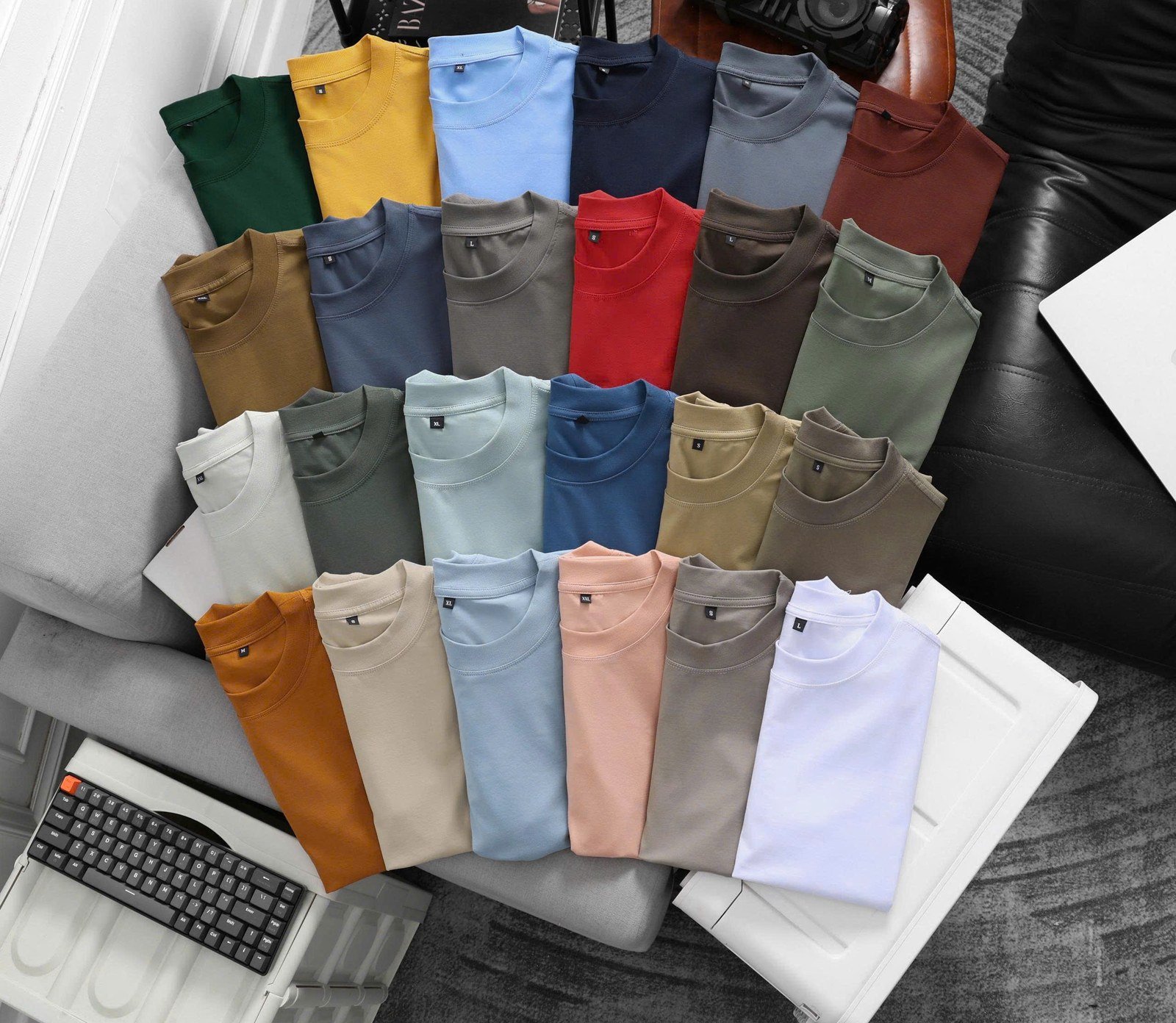
Decoration is where the wrong GSM becomes expensive. Lighter fabrics below roughly 180 GSM carry more risk of ink strike-through and may need an underbase on dark colors, while embroidery generally performs better on heavier knits that can support stitch density without puckering. One widely quoted sourcing guideline suggests 200+ GSM, and often 220 GSM or more, as a comfortable minimum for dense embroidery.
- Screen printing: works across the range, but plastisol on 140 GSM fabric can feel stiff and heavy compared with the garment itself. Water-based inks need a fabric that absorbs well.
- DTG and DTF: best on smooth, tight combed cotton in the 180–220 GSM range, where the print sits cleanly and detail stays sharp.
- Embroidery: use stabilizers on anything under 200 GSM and keep logos small and light; large, dense chest logos fit heavier fabrics better.
- Heat transfer and puff print: check shrinkage compatibility; a fabric that relaxes after washing can distort rigid transfers.
We compare the methods in detail in our screen printing vs embroidery vs DTG/DTF guide. Pair that decision with your GSM decision on the same day, not in two separate rounds of sampling.
Why GSM Alone Is Not Quality: Yarn, Knit and Finishing
A heavy tee is not automatically a good tee. Industry buyers regularly see 220 GSM garments that pill, twist and shrink unpredictably because the yarn is short-staple carded cotton and the knit is loose. Meanwhile a well-made 180 GSM combed ring-spun tee can feel better and last longer than a cheap heavier one. Four factors sit behind the number:
- Fiber: 100% cotton, cotton-polyester blends, organic cotton, or modal/viscose blends each change handfeel, moisture behavior and price. See our notes on organic cotton clothing manufacturing in Vietnam if sustainability claims are part of your positioning.
- Yarn type: carded yarn is the standard economy option; combed removes shorter fibers for a smoother, stronger yarn; ring-spun twists the yarn for a softer feel. Combed ring-spun typically costs more and prints more crisply.
- Yarn count and stitch length: finer yarns with a tighter stitch produce a denser, more stable fabric at the same GSM.
- Finishing: enzyme or silicone washing, compacting and pre-shrinking determine softness and shrinkage after the first wash.
When you compare quotes from two factories, ask for the yarn count, fiber, construction and finishing together with the GSM. A quote that only says “200 GSM cotton” is incomplete and usually not comparable.
GSM and Cost: What Heavier Fabric Really Does to Your FOB Price
Fabric is typically the largest single line in a basic tee’s cost, so GSM moves price directly: more grams per square meter means more yarn, more dyeing chemicals and more freight weight. Some sourcing guides estimate that going from about 180 GSM to 220–240 GSM can add roughly 20–30% to fabric cost, while dropping to 160–180 GSM can save around 15–20%. Treat those as directional rather than guaranteed; real numbers depend on cotton prices, yarn quality, color and order size.
Three side effects are easy to forget:
- Freight: a heavier tee weighs more per piece, which adds up in air shipments and in carton weight limits.
- Cutting yield: heavier fabric is often sold per kilogram, so marker efficiency and fabric width change your effective cost per garment.
- Return risk: a very light tee that looks great in photos may generate returns if customers find it see-through, which can cost more than the fabric you saved.
Buyers on a tight margin often benefit from a “good-better” ladder: a 170–180 GSM core tee for volume and a 220 GSM premium tee for a higher price point. Our low MOQ clothing manufacturer guide explains how to start both without overcommitting inventory.
How to Specify GSM in a Tech Pack
A clear fabric line in the tech pack removes most sampling rounds. Include, at minimum:
- Fabric name and construction (for example, single jersey, 100% cotton).
- Yarn description (combed ring-spun, yarn count if you know it).
- Finished GSM with tolerance (for example, 180 GSM ±5%).
- Finishing (enzyme wash, pre-shrunk, brushed or not).
- Shrinkage limit after washing in length and width.
- Color standard (Pantone TCX codes or a physical lab-dip approval).
- A reference garment or swatch, if you have one that feels right.
If you are new to this, read our tech pack and sample development guide and our complete buyer’s guide to ordering custom clothing. Sending a physical reference tee is the fastest way to align on GSM; factories can measure it and match it, or tell you honestly what is achievable.
Testing and Tolerance: Verifying GSM Before Bulk
Reputable factories test GSM with a round cutter and a precision scale: a circular swatch of known area (commonly 100 cm²) is cut and weighed, and the result is converted to GSM. A small tolerance is normal in knitted fabric because tension and moisture shift the weight; specifying a tolerance, often in the range of ±5%, keeps the conversation objective.
Build a checkpoint plan around three moments:
- Before cutting: test GSM and width on the fabric roll against the approved sample.
- After washing: measure shrinkage and twisting on a sample wash, because a correct GSM can still shrink out of spec.
- Final inspection: confirm the finished garment feels like the approved sample, not only that numbers match.
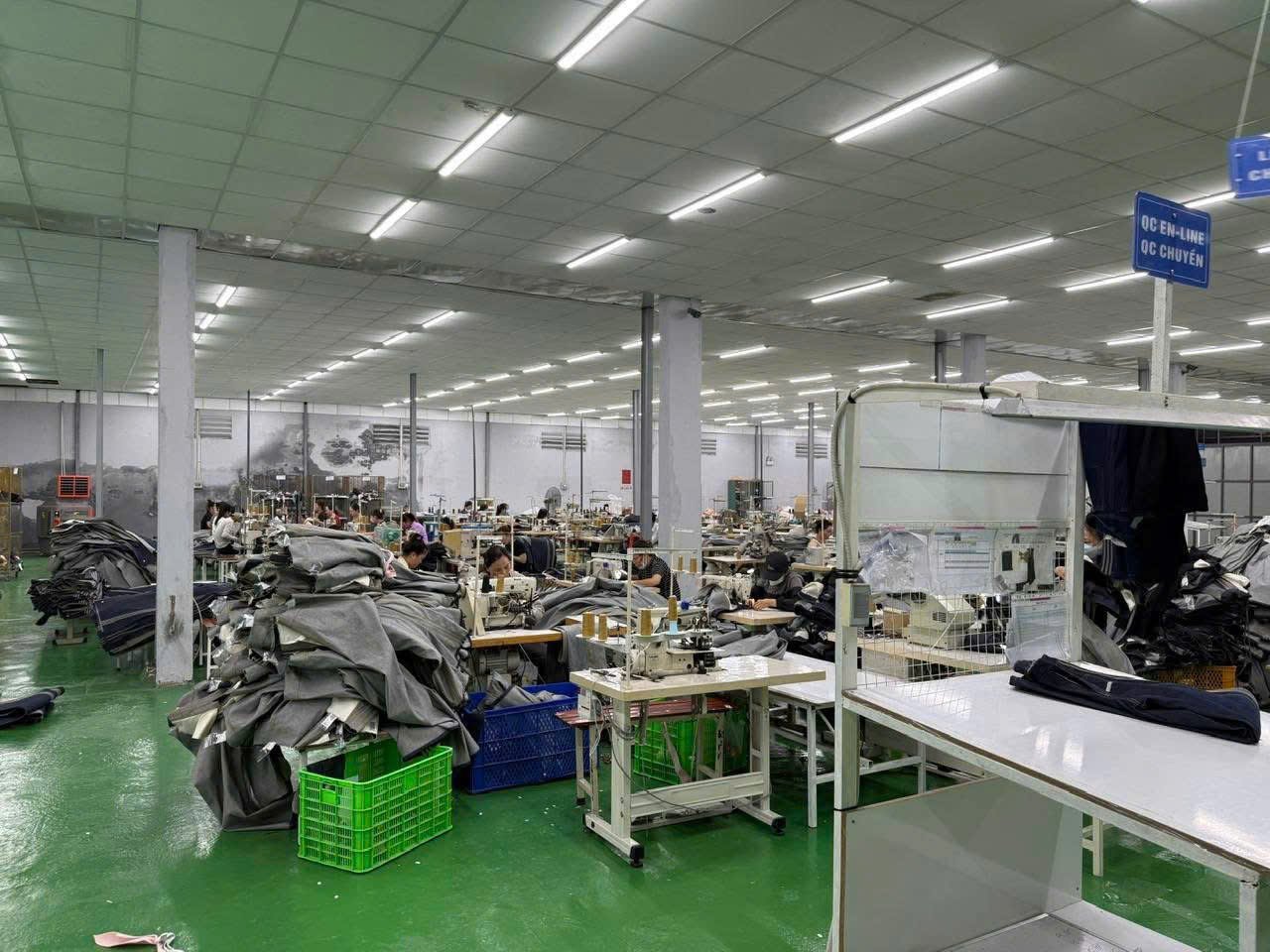
Our quality control process covers how these inspections fit into a production run, and our guide to mistakes to avoid with overseas factories shows how skipping them becomes costly.
GSM Choices by Sales Channel
Private label and DTC brands
Premium positioning usually starts at 200 GSM and uses combed ring-spun cotton, with a woven label and clean finishing. If you are building a brand from scratch, our private label clothing manufacturing guide maps the full workflow.
Amazon and TikTok Shop sellers
Marketplace buyers read reviews about feel and thickness. A tee that is too thin gets “see-through” reviews, which suppress rankings. Many sellers choose 180–200 GSM for core SKUs. For fast-moving creator-led products see clothing manufacturing for TikTok Shop brands, where speed and consistency matter as much as weight.
Wholesale and importers
Importers serving blank-apparel and screen printing customers tend to stock a lightweight option, a midweight and a heavyweight, so that their own customers can choose by price. Review the basics in our t-shirt manufacturer overview.
Kids and uniforms
Children’s tees favor softness and washability, often in 140–180 GSM single jersey, while uniforms need durability and stable color through frequent laundering, commonly 180–220 GSM. See kids clothing manufacturing and uniform manufacturing for category-specific requirements.
Common GSM Mistakes Importers Make
- Copying a competitor’s hangtag. Claimed GSM on retail tags is often rounded or untested. Buy the tee, measure it, and feel it.
- Leaving tolerance undefined. Without a tolerance, any deviation becomes a dispute.
- Approving a sample on one fabric and producing on another. Insist that sample and bulk come from the same fabric supplier and construction.
- Ignoring shrinkage. A correct GSM that shrinks 8% in length ruins sizing. Put shrinkage limits in writing.
- Choosing heavy for the wrong reasons. Heavy fabric on a slim-fit women’s tee can feel stiff; match weight to silhouette.
- Not testing the print. Run a decorated test piece on the actual bulk fabric before approving production.
Frequently Asked Questions
What GSM is best for a standard t-shirt?
For most retail tees, 170–200 GSM single jersey is a reliable default: heavy enough to look good and wash well, light enough to keep costs reasonable. Move to 200–240 GSM for premium or boxy styles and drop to 140–160 GSM for hot-weather basics or promotions.
Is a higher GSM t-shirt always better quality?
No. Yarn quality, knit tightness and finishing matter as much as weight. A carefully made combed ring-spun 180 GSM tee can outperform a loose 220 GSM carded one. Judge quality by shrinkage, pilling resistance and feel, not by the number alone.
How is GSM measured and what tolerance is acceptable?
A circular cutter takes a swatch of fixed area, which is weighed on a precision scale and converted to GSM. Specify finished GSM and a tolerance, commonly around ±5%, in the purchase order so inspections have an objective pass/fail line.
Does GSM affect minimum order quantity?
Not directly, but fabric availability does. At AT Garment Factory, MOQs start from 50 pieces for blank styles, 100 for printed pieces and 200 for OEM branded orders, while items such as hoodies, polos and uniforms start from 2,000 pieces. Custom-knitted fabrics at a specific GSM may require larger fabric commitments than stock fabrics.
What GSM should I choose for screen printing?
Screen printing works from about 160 GSM upward, but 180–220 GSM gives the cleanest result and lower risk of ink bleed-through. For dark garments with light inks, a heavier, tighter fabric holds the underbase better.
Can the factory match the GSM of a tee I already like?
Usually yes. Send the reference garment; the factory measures the finished GSM, checks the construction and fiber, and proposes a matching fabric or the closest achievable alternative before sampling begins.
Conclusion and Next Steps
Fabric weight is one of the highest-leverage decisions in a t-shirt order. Pick a GSM range that fits your climate and positioning, pair it with the right yarn and finishing, write it into the tech pack with a tolerance, and verify it at roll, sample and final inspection. Done properly, you avoid resampling, protect your margins and ship a product that feels the same on reorder as it did in the first sample.
AT Garment Factory is an OEM/ODM garment manufacturer in Bình Tân, Ho Chi Minh City, with more than 10 years of experience and monthly capacity above 100,000 pieces. Explore our products and services, or contact the team with your reference tee and target GSM and we will propose fabric options.
Request a quote: Email thanhtung113123@gmail.com · WhatsApp · Zalo