A children’s fashion brand cannot treat a kidswear factory like any other apparel supplier. A mislabeled drawstring, an untested snap button, or a fabric that hasn’t been screened for phthalates is not just a quality problem — it is a product-safety liability that can trigger a recall, a customs hold, or a lawsuit. That is why buyers vetting a kids clothing manufacturer in Vietnam ask a different set of questions than they would for adult apparel: which safety certifications does the factory actually hold, how small can a first order be, and who is accountable if a shipment fails a CPSIA test at the port.
This guide walks through what a real sourcing decision looks like in 2026: the compliance paperwork you must request before you sign anything, realistic MOQs by product type, how OEM and private label differ for a children’s line, the step-by-step production process, and how Vietnam compares with China, India, and Bangladesh specifically for kidswear. It closes with the mistakes that cost first-time kids’ brands the most money, and how AT Garment Factory structures a children’s apparel program from first sample to repeat container.
Table of Contents
- Why Buyers Are Moving Kids’ Apparel Sourcing to Vietnam
- Safety & Compliance Certifications You Must Require
- MOQ for Kids’ Clothing Manufacturing in Vietnam
- Product Categories a Vietnam Factory Can Produce for Kids’ Brands
- OEM vs. Private Label for Children’s Fashion Brands
- The Sourcing Process, Step by Step
- Vietnam vs. China, India & Bangladesh for Kidswear
- Common Mistakes Brands Make When Sourcing Kidswear
- Fabric & Trim Choices for Children’s Apparel
- Why Brands Choose AT Garment Factory for Kids’ Lines
- FAQ
Why Buyers Are Moving Kids’ Apparel Sourcing to Vietnam
Vietnam is one of the world’s top three apparel exporters, and its factory base has matured well beyond the assumption that “cheap and basic” is the only thing on offer. For children’s clothing specifically, three structural advantages stand out.
First, fabric compliance is easier to secure than in many alternative sourcing countries. Industry reporting consistently notes that export-oriented Vietnamese factories can supply OEKO-TEX Standard 100 certified cotton and cotton-blend fabrics on request, which matters enormously for kidswear sold into the US or EU, where retailers routinely refuse to list a children’s SKU without it.
Second, labor productivity is high relative to wage cost. Vietnamese garment workers are commonly reported to be more efficient per hour than counterparts in lower-wage countries, which narrows the landed-cost gap once rework, late shipments, and compliance failures are priced in — costs that hit a children’s line harder than an adult one because a failed safety test can mean destroying, not just discounting, the goods.
Third, Vietnam has a genuine specialization in detail-heavy children’s construction — smocking, embroidery, appliqué, and multi-piece sets — categories where China’s advantage has narrowed and where fully vertical, low-touch factories in some other countries simply don’t compete on craftsmanship. Industry sourcing guides describe Vietnam as a global leader in hand-smocked and embroidered children’s clothing, a premium segment with relatively few capable suppliers worldwide.
None of this replaces due diligence. It means the ceiling on what a Vietnam factory can deliver for a kids’ brand — in both compliance and craftsmanship — is higher than buyers who last sourced kidswear five years ago may assume.
Safety & Compliance Certifications You Must Require
Children’s apparel is regulated more strictly than almost any other clothing category, and the certification list is not optional paperwork — it is the difference between a shipment that clears customs and one that gets destroyed at the buyer’s expense. Before issuing a PO, request documentation for the following.
- CPSIA test reports — mandatory for any children’s product sold in the United States; covers lead content, phthalates, and flammability. Ask for third-party lab reports tied to the exact fabric and trim lot, not a generic factory certificate.
- OEKO-TEX Standard 100 — the fabric-level certification that most US and EU retailers now treat as a listing requirement for kidswear; it screens for harmful substances across every component of the garment, not just the shell fabric.
- GOTS (Global Organic Textile Standard) — required if the product is marketed as organic cotton; verifies the fiber’s organic status through the full supply chain, not just at the farm gate.
- GRS (Global Recycled Standard) — the equivalent standard for recycled-content claims, relevant for brands marketing sustainability alongside safety.
- SA8000 / WRAP — social compliance certifications covering labor practices; increasingly requested by retailers doing supply-chain audits on children’s categories specifically, given the reputational risk of labor issues in kidswear.
- Mechanical safety testing — pull-testing on buttons, snaps, and appliqués (commonly a minimum 15 lbs force standard) and cyclical testing on zippers, plus small-parts and drawstring checks for younger age grades. This is a physical testing protocol, not a certificate, so ask the factory to describe how and where it happens on their line.
A useful screening question during factory vetting: ask which of these the factory holds in-house versus which they outsource to a third-party lab per order. Neither answer disqualifies a supplier, but it tells you whether compliance is built into their process or bolted on per shipment — and that shapes how much independent verification you should budget for on your own side. For a broader view of quality processes beyond compliance testing, see our guide on Vietnam garment factory quality control.
MOQ for Kids’ Clothing Manufacturing in Vietnam
MOQ for children’s apparel varies more by construction complexity than by factory size. Industry sourcing data puts the range roughly as follows.
- Basic cotton items (tees, leggings, simple sets): commonly reported MOQs of 2,000–3,000 pieces per design/colorway at mid-size export factories, though some suppliers will quote lower for a first trial order at a per-unit premium.
- Structured pieces (hoodies, jackets, uniforms): typically in a similar 2,000–3,000 piece range per style, reflecting cutting and trim setup costs.
- Detail-heavy items (smocked dresses, hand embroidery): specialist workshops can go as low as 30–100 pieces per design, because the labor-intensive handwork doesn’t carry the same cutting-line setup cost as machine-run basics — but per-unit pricing is significantly higher.
AT Garment Factory’s standard tiers for kids’ programs follow this same logic: MOQ starts around 50 pieces per style for blank (unbranded) goods, 100 pieces for printed styles, 200 pieces for OEM branded goods with custom labels and packaging, and 2,000 pieces for structured categories like hoodies and uniform sets. Brands validating a new kids’ line for the first time should plan around this tiering rather than assuming a single MOQ applies across the whole product mix — a five-SKU capsule collection might mix a 200-piece OEM tee with a 2,000-piece hoodie, and pricing a factory quote against a flat MOQ assumption is a common source of budget surprises.
Product Categories a Vietnam Factory Can Produce for Kids’ Brands
A capable kids’ apparel factory in Vietnam typically covers several adjacent categories, which matters if your brand plans to expand beyond a single hero product.
- Everyday basics: T-shirts, leggings, joggers, and layering sets in cotton and cotton-blend jersey.
- Outerwear and mid-layers: hoodies, sweatshirts, and light jackets, often shared production lines with adult streetwear categories — see our hoodie and polo shirt manufacturing guide for construction detail that also applies to youth sizing.
- Denim: kids’ jeans and denim shorts, produced on the same wash and finishing lines used for adult denim — detailed further in our denim manufacturing guide.
- Streetwear and graphic apparel: printed and embroidered kids’ streetwear, a fast-growing category as youth fashion brands extend adult silhouettes down into smaller sizing.
- School and institutional uniforms: polo shirts, pinafores, and structured uniform sets for schools sourcing at scale — covered in our uniform manufacturing guide.
- Occasion and detail-heavy wear: smocked dresses, embroidered sets, and appliqué pieces for boutique and premium kids’ brands.
OEM vs. Private Label for Children’s Fashion Brands
The distinction matters more in kidswear than in adult categories, because compliance ownership shifts depending on the model. Under OEM (Original Equipment Manufacturer) production, the brand supplies its own tech pack, pattern, and often fabric specification, and the factory manufactures to that exact brief — full design control sits with the brand, and so does the responsibility for specifying the correct age-grade safety features (choking-hazard-free trims for younger sizes, drawstring restrictions, etc.).
Under private label, the brand selects from the factory’s existing block patterns and fabric library and applies its own branding, labels, and packaging — faster to market and lower minimum investment, but the brand is trusting the factory’s existing safety engineering rather than specifying its own. For a first-time kids’ collection, private label is often the lower-risk entry point precisely because the factory’s existing patterns have already been through age-grade safety review; OEM becomes the better fit once the brand has a proven design and wants full ownership of fit, trims, and construction. Our private label manufacturing guide and OEM vs. ODM comparison cover the broader mechanics of each model in more depth.
The Sourcing Process, Step by Step
- Brief and factory vetting. Share your target categories, expected volumes, and required certifications up front — this is when to request the certification list from the section above, before any sample cost is committed.
- Sample development. Sample costs for kids’ apparel commonly run $50–$150 per piece depending on complexity, typically refundable against the first bulk order, with a 7–14 day turnaround for designs based on existing patterns and longer for fully custom tech packs.
- Fit and safety review. Beyond fit approval, this is the checkpoint to confirm mechanical safety testing (button pull, zipper cycling, drawstring length) on the approved sample before bulk cutting begins.
- Bulk production planning. Fabric and trim booking, cutting plan, and line scheduling — typically confirmed against a 30% deposit with the balance due before shipment, in line with standard export terms.
- In-line and final QC. Inspection at cutting, mid-production, and pre-shipment stages, with particular attention on kidswear to trim security and label placement (care labels must carry correct age-grade warnings).
- Shipping and documentation. Export paperwork including the compliance test reports referenced above, which customs brokers on the buyer’s side will often request at import.
Buyers new to importing should also review our general walkthrough on how to order custom clothing from a Vietnam factory, which covers documentation and shipping terms that apply across all product categories, not just kidswear.
Vietnam vs. China, India & Bangladesh for Kidswear
Kids’ apparel sourcing decisions often come down to the same country trade-offs that apply across the wider clothing category, with a compliance layer added on top.
- Vietnam vs. China: China retains an edge in fully vertical, low-touch basics at very high volume, but Vietnam has closed much of the gap on fabric certification availability and offers lower tariff exposure for US-bound shipments under current trade conditions — see our detailed Vietnam vs. China comparison.
- Vietnam vs. India: India is often stronger on embroidery-heavy, artisanal categories at very low MOQs, while Vietnam tends to offer more consistent mechanized quality control for repeat, at-scale kids’ basics — our Vietnam vs. India guide breaks this down further.
- Vietnam vs. Bangladesh: Bangladesh generally undercuts Vietnam on price for high-volume basics, but factory-level compliance documentation and lead-time reliability are commonly reported as more consistent in Vietnam — covered in our Vietnam vs. Bangladesh comparison.
For a kids’ line specifically, the deciding factor is usually not unit cost alone — it’s which country’s factory base can produce the compliance paper trail your target retail channel requires, on a timeline that matches your season.
Common Mistakes Brands Make When Sourcing Kidswear
- Treating adult-line compliance as sufficient. A factory that passes standard apparel audits is not automatically qualified for children’s mechanical safety testing — confirm this specifically, don’t assume it.
- Skipping age-grade drawstring and small-parts review. Regulations differ by market and by age range (infant vs. toddler vs. older child); a design approved for one market can fail another’s small-parts test.
- Under-budgeting for compliance testing costs. Third-party lab testing per fabric lot adds real cost that first-time kids’ brands often leave out of their unit-economics model.
- Assuming one MOQ across a mixed product line. As covered above, a capsule collection mixing basics with detail-heavy pieces will carry different MOQs per style — plan cash flow accordingly.
- Not requesting lot-specific test reports. A general factory certificate is not the same as a report tied to the exact fabric and trim batch shipped in your order; ask for the latter.
These overlap with broader sourcing pitfalls covered in our top 5 mistakes when working with overseas factories guide, with the compliance items above being the layer specific to children’s categories.
Fabric & Trim Choices for Children’s Apparel
Fabric choice for kids’ apparel carries more weight than for adult categories, because it directly affects both compliance and comfort against sensitive skin. Combed cotton jersey (typically 180–220 gsm) remains the default for everyday basics because it’s soft, breathable, and easy to certify to OEKO-TEX Standard 100. French terry is the common choice for kids’ sweatshirts and joggers, offering warmth without the bulk of heavier fleece. For sleepwear and skin-contact layers, many brands specify organic cotton with GOTS certification, both for the sustainability claim and because organic processing avoids several of the chemical finishes that trigger CPSIA scrutiny.
Trims deserve equal attention. Snap buttons and metal poppers are generally preferred over sew-through buttons for younger age grades because they resist the kind of loosening that leads to small-parts hazards; drawstrings on hoods and waistbands are restricted or banned outright in several markets depending on the child’s age range, so this should be confirmed against your target country’s regulation before finalizing a tech pack, not after. Elastic waistbands should be tested for consistent recovery across the wash-care cycle stated on the garment’s care label, since kids’ apparel is typically laundered far more frequently than adult clothing.
Brands sourcing a mixed collection — say, cotton basics alongside a French terry hoodie and an organic cotton sleep set — should confirm the factory can certify each fabric independently, since a single blanket OEKO-TEX claim covering “the collection” is not how the certification actually works; it is issued per fabric, per supplier, per batch.
Why Brands Choose AT Garment Factory for Kids’ Lines
AT Garment Factory operates from Binh Tan, Ho Chi Minh City, with production capacity exceeding 100,000 pieces per month and more than a decade of export experience across OEM, ODM, and private label programs. For kids’ apparel specifically, the factory’s tiered MOQ structure — 50 pieces for blank goods, 100 for printed styles, 200 for OEM branded goods, and 2,000 for structured categories like hoodies and uniform sets — lets a growing kids’ brand start with a manageable trial order and scale into repeat containers as the line proves out, without renegotiating supplier relationships at each growth stage.
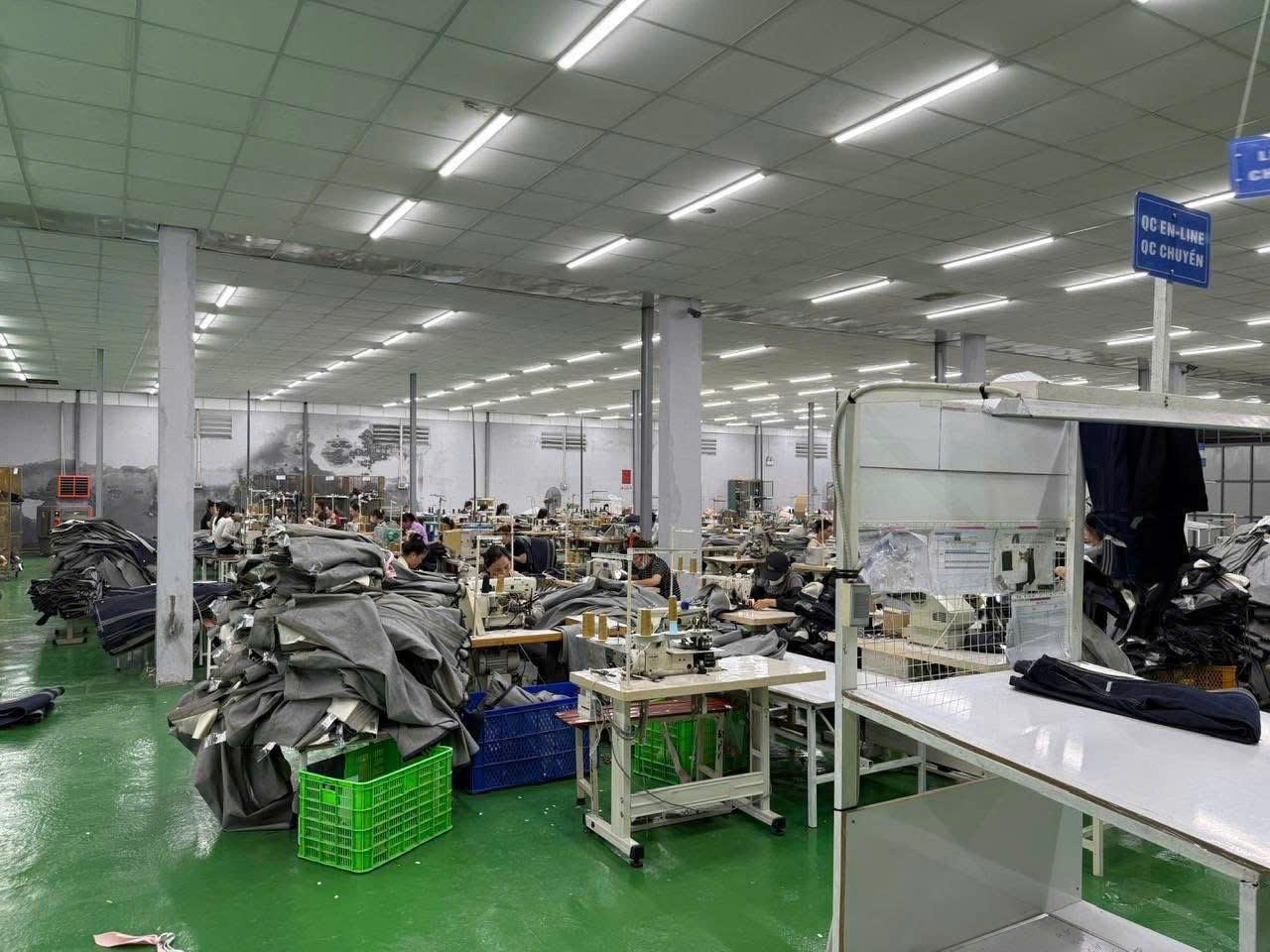
Brands evaluating a supplier for the first time are welcome to review our full product range and manufacturing services, or reach out directly through our contact page to discuss a specific kids’ collection brief.
FAQ
What certifications should I require from a kids’ clothing manufacturer in Vietnam?
At minimum, request CPSIA test reports for US-bound goods, OEKO-TEX Standard 100 for fabric safety, and evidence of mechanical safety testing on trims. Add GOTS or GRS if you’re marketing an organic or recycled-content claim, and SA8000 or WRAP if your retail partners require social-compliance audits.
What is the minimum order quantity for kids’ clothing made in Vietnam?
It depends on construction: basic cotton items typically start around 2,000–3,000 pieces per style at export-scale factories, while detail-heavy items like smocked or embroidered pieces can start as low as 30–100 pieces at specialist workshops. AT Garment Factory’s tiers start at 50 pieces for blank goods and 200 pieces for OEM branded goods.
How long does sample development take for a kids’ apparel line?
Commonly 7–14 days for designs built on an existing pattern block, and longer for a fully custom tech pack requiring new pattern development and safety review.
Is Vietnam or China better for sourcing children’s clothing?
China generally offers lower cost at very high volume on simple basics, while Vietnam has closed much of the gap on fabric certification availability and offers more favorable tariff treatment for US-bound shipments under current trade conditions. The better fit depends on your target market, volume, and compliance requirements — see our full Vietnam vs. China comparison.
What’s the difference between OEM and private label for a kids’ clothing brand?
OEM means the brand supplies its own design and tech pack and the factory manufactures to that exact spec, giving full design control but placing safety-feature specification on the brand. Private label means selecting from the factory’s existing patterns and applying your own branding — faster and lower-risk for a first collection, since the base patterns have already been through safety review.
Can a Vietnam factory produce both basics and detail-heavy kids’ items like smocked dresses?
Capability varies by factory. Large export-scale factories are typically strongest on machine-run basics (tees, leggings, hoodies) at higher MOQs, while smocking and hand embroidery are often produced by smaller specialist workshops at lower MOQs and higher per-unit cost. Confirm which category a prospective supplier actually specializes in before briefing a mixed product line.
Conclusion
Sourcing kids’ apparel from Vietnam in 2026 comes down to three checks: does the factory hold or can it produce the specific compliance documentation your target market requires (CPSIA, OEKO-TEX, GOTS as applicable), does its MOQ structure match your actual product mix rather than a single flat number, and does its process build in age-grade safety testing rather than treating children’s wear as a smaller version of adult apparel. Get those three right, and Vietnam’s combination of certified fabric supply, detail-craft specialization, and competitive landed cost makes it one of the strongest bases for a growing kids’ fashion brand to build a repeat manufacturing relationship on.
Ready to brief a kids’ collection or request a quote? Reach AT Garment Factory by email at thanhtung113123@gmail.com, WhatsApp at this link, or Zalo at zalo.me/84334061502.