
If you are developing a hoodie line, the first technical decision is not the logo or the colour. It is the fabric. The French terry vs fleece question sets the weight, the warmth, the print quality, the cost and even which season the product can sell in. Buyers who skip this step often receive samples that look right on a mood board but feel wrong in the hand, or that pill after a few washes. This guide explains the difference in practical terms so you can brief a factory with confidence.
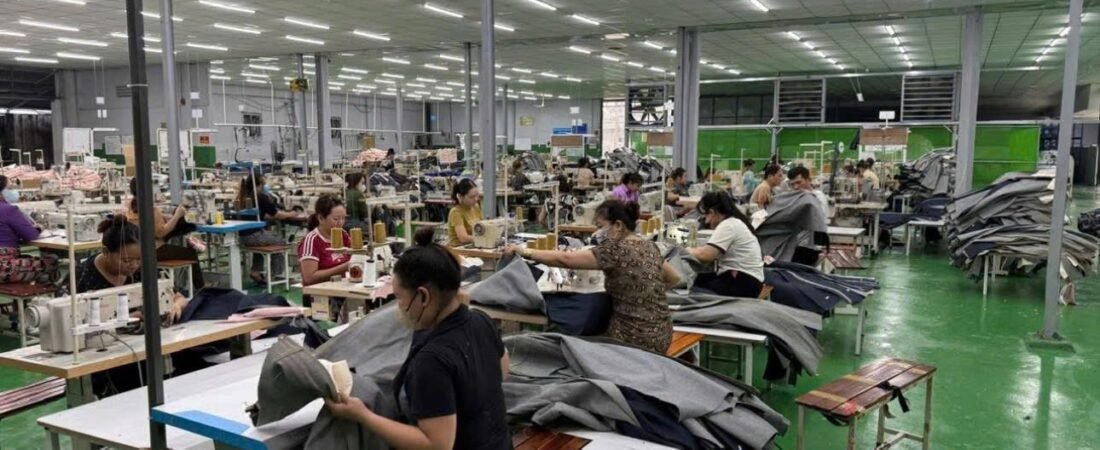
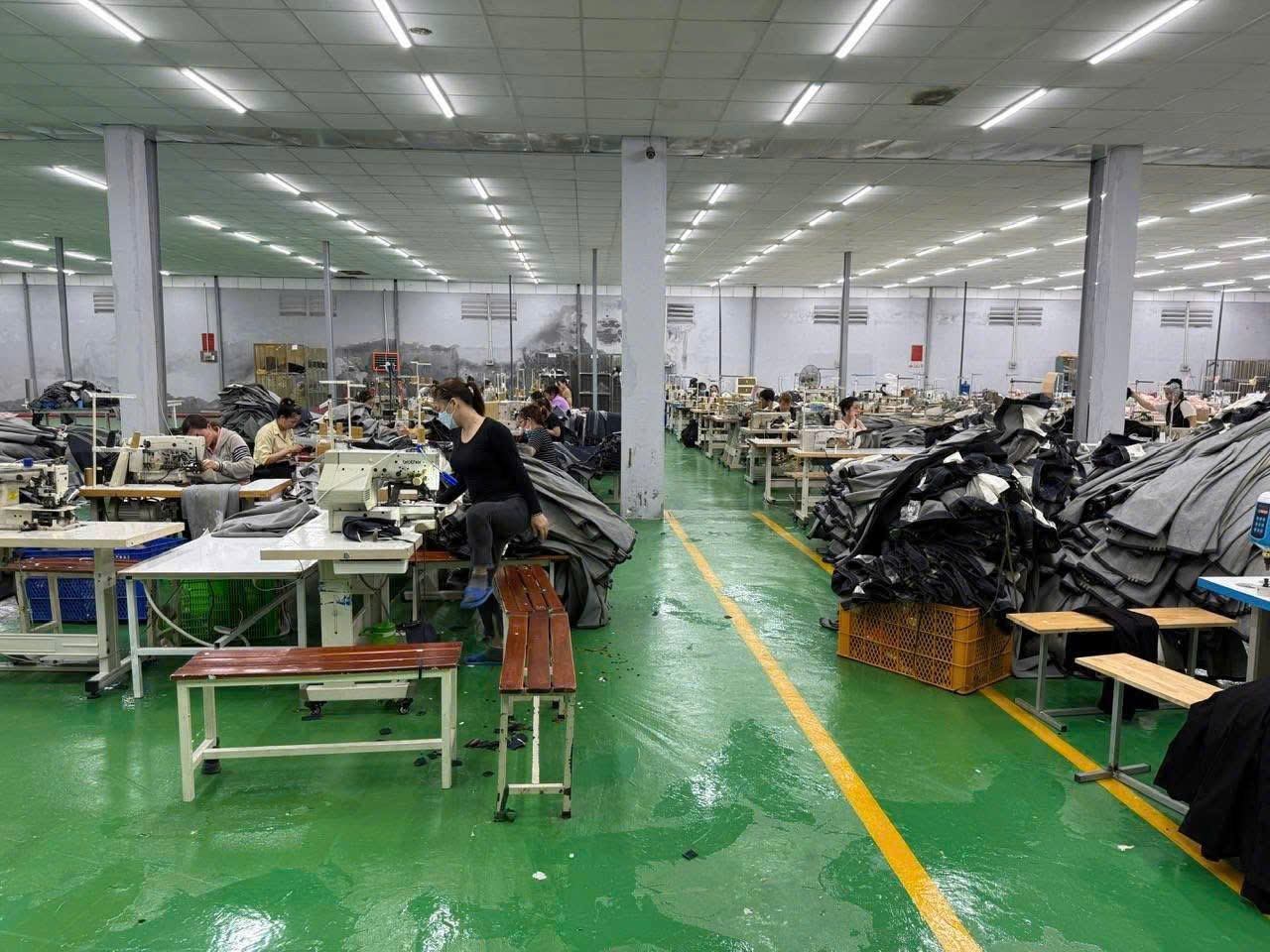
It is written from the factory side. AT Garment Factory is a Vietnam-based OEM/ODM manufacturer in Binh Tan, Ho Chi Minh City, and hoodies and sweatshirts are among the products we are asked about most. Where we quote figures for fabric weights, we describe commonly reported industry ranges, not guarantees; always confirm exact specifications on a physical sample.
Table of contents
- Why fabric choice decides the success of a hoodie
- What French terry is
- What fleece is
- GSM: the number buyers misread
- French terry vs fleece side by side
- Printing and embroidery results
- Cotton, polyester and blend choices
- Cost drivers and MOQ
- Quality risks: pilling, shrinkage, torque
- How to choose by brand type
- What to put in your hoodie fabric spec
- Seasonal and market planning
- Sampling and approval
- Common fabric mistakes
- FAQ
- Conclusion
Why fabric choice decides the success of a hoodie
A hoodie is a simple garment: a body, sleeves, a hood, a pocket and rib trims. Because the pattern is simple, the customer judges it almost entirely by fabric. Hand feel, weight, drape, warmth and how the surface looks after washing are what drive repeat purchases and returns. For private label brands, a hoodie that feels premium at the same retail price is the cheapest form of differentiation available.
Fabric also drives your margin. The knitted cloth is typically the largest single line in a hoodie cost sheet, so a decision between two similar-looking fabrics can move your unit cost more than any trim or packaging choice. Getting it right at the brief stage prevents costly re-sampling later. If you are still at the early planning stage, our guide to hoodie and polo shirt OEM production in Vietnam covers the wider process.
What French terry is
French terry is a knitted fabric with a smooth face and small loops on the reverse side. The loops are not brushed, so the inside feels textured and slightly absorbent, a little like a thin towel. Because the loops are left intact, French terry breathes well and wicks moisture better than a heavily brushed fabric, which is why it is popular for spring and autumn hoodies, zip-ups, joggers and activewear-influenced lifestyle products.
Typical French terry hoodie fabrics are often quoted in the range of roughly 260 to 320 GSM, although lighter and heavier constructions exist. The smooth outer face takes screen printing, embroidery and heat transfers cleanly, and the lower bulk gives a more refined silhouette. The trade-off is that it is less insulating than fleece, so it will not carry a winter-weight product on its own.
What fleece is
In the hoodie trade, fleece usually means a knit fabric whose reverse side has been brushed to raise the fibres into a soft, warm pile. The brushing traps air, so fleece insulates far better than an unbrushed terry of similar weight. The face stays smooth, the inside feels plush, and the garment has the classic cosy hoodie handle that consumers expect in cold markets.
Fleece can be made from cotton, polyester or a blend. Cotton-rich fleece feels natural and soft; polyester fleece is lighter, dries quickly, holds colour well and usually costs less. Commonly cited weights for hoodie fleece run from about 250 to 350 GSM, with heavyweight streetwear programmes going higher. Buyers should be aware that the word is used loosely: one supplier’s fleece may be a light brushed back, another’s a dense, thick pile. Always ask for the weight, the fibre content and a swatch.
GSM: the number buyers misread
GSM means grams per square metre. It is the standard way to describe fabric weight, and it is the number most buyers use to compare quotes. It is also the number most often misunderstood. Two points matter.
- GSM is not quality. A heavy fabric made from short, low-grade fibre can feel coarse and pill sooner than a lighter fabric made from combed, long-staple yarn. Weight tells you how much cloth you are buying, not how good it is.
- GSM is measured at a stage. Greige fabric, finished fabric and fabric after washing can differ. Ask which stage the quoted GSM refers to and agree an acceptable tolerance, commonly a few percent either side.
- Weight and warmth are different things. A 300 GSM brushed fleece usually feels warmer than a 300 GSM French terry because of the raised pile.
- Heavier costs more. More yarn per metre generally means a higher fabric price, higher freight weight and, depending on destination, higher duty exposure on some weight-based charges.
Industry guides commonly describe lightweight hoodie fabrics as below roughly 250 GSM, midweight as roughly 250 to 320 GSM and heavyweight above that. Treat these bands as conversation starters, not standards, because each brand defines them differently.
French terry vs fleece side by side
The table below summarises how the two fabrics usually compare. It reflects general industry experience and publicly available supplier guides rather than test data from a specific mill, so confirm details on your own samples.
| Factor | French terry | Fleece |
|---|---|---|
| Inside surface | Looped, not brushed | Brushed, soft pile |
| Warmth | Light to moderate | Moderate to high |
| Breathability | Higher | Lower |
| Typical weight range | Roughly 260–320 GSM | Roughly 250–350+ GSM |
| Best seasons | Spring, autumn, warm climates | Autumn, winter, cold climates |
| Print and embroidery | Very clean on smooth face | Good, but pile may need a stable backing |
| Pilling tendency | Depends on yarn; brushing absent | Higher risk if brushing or yarn is poor |
| Cost | Often similar or slightly lower | Varies widely with fibre and weight |
Printing and embroidery results
Decoration is where many brands discover the difference. French terry’s flat, smooth face is a friendly surface for water-based and plastisol screen prints, fine-line embroidery and small heat transfers. Fleece also decorates well, but the brushed back can show through on lighter colours or lighter-weight constructions, and heavy embroidery may need a cut-away stabiliser to stop the stitch field puckering the pile.
Large solid-colour prints on dark fleece hoodies are common and perform well. For very detailed artwork or small text, many buyers choose French terry for crispness. Our comparison of screen printing, embroidery, DTG and DTF explains which method suits which fabric and order size.
Cotton, polyester and blend choices
Fibre content changes handle, price and performance as much as construction does. The most common hoodie fabrics fall into these groups:
- 100% cotton: soft, breathable and favoured for premium streetwear and loungewear. It can shrink if it is not pre-shrunk or compacted, so ask about shrinkage control.
- Cotton/polyester blends: frequently 50/50 or 65/35 cotton to polyester. They resist shrinkage better, hold shape, dry faster and often cost less than pure cotton.
- Blends with elastane: a small percentage adds stretch and recovery, useful for fitted or athleisure styles.
- Recycled and organic fibres: recycled polyester and organic or recycled cotton appeal to brands with sustainability claims. Certification such as GRS, GOTS or OCS must be backed by documents; read our note on organic cotton clothing manufacturing in Vietnam before you make claims on a label.
Cost drivers and MOQ
Hoodie unit cost is usually driven by five things: fabric weight and fibre, dyeing and finishing, labour and trims, decoration, and packaging with freight. Pure cotton fleece in a heavy weight sits at the high end; a mid-weight polyester-rich fleece or French terry sits lower. Exact prices move with yarn markets, so we do not publish a fixed figure here; request a quote against your specification.
Minimum order quantity depends on the garment and on whether the fabric is stocked or custom. At AT Garment Factory, our MOQ for hoodies, polo shirts and uniforms starts from 2,000 pieces, while simpler items have lower minimums. Custom-dyed or custom-knit fabric normally needs more volume than a stocked cloth. If you are testing a brand with smaller runs, read how low MOQ clothing manufacturing in Vietnam can work, and consider starting with simpler products before moving to hoodies.
Quality risks: pilling, shrinkage, torque
Three defects account for most hoodie complaints.
Pilling
Pilling is the formation of small fibre balls on the surface. It is influenced by yarn quality, twist, fibre length and finishing, and fleece with a brushed surface can be more exposed when the yarn is weak. Ask for a pilling test result on the bulk fabric, and agree the grade you will accept in writing.
Shrinkage
Cotton-rich knits can shrink after the first wash. Agree a maximum shrinkage percentage in length and width after washing and make sure the pattern allows for it. Pre-shrunk or compacted fabric and a washing test on a finished sample reduce surprises.
Torque and skewing
Torque is the twisting of side seams after washing, caused by the knit construction and finishing. It is more visible in lighter, poorly stabilised fabrics. Request a wash test that records skew.
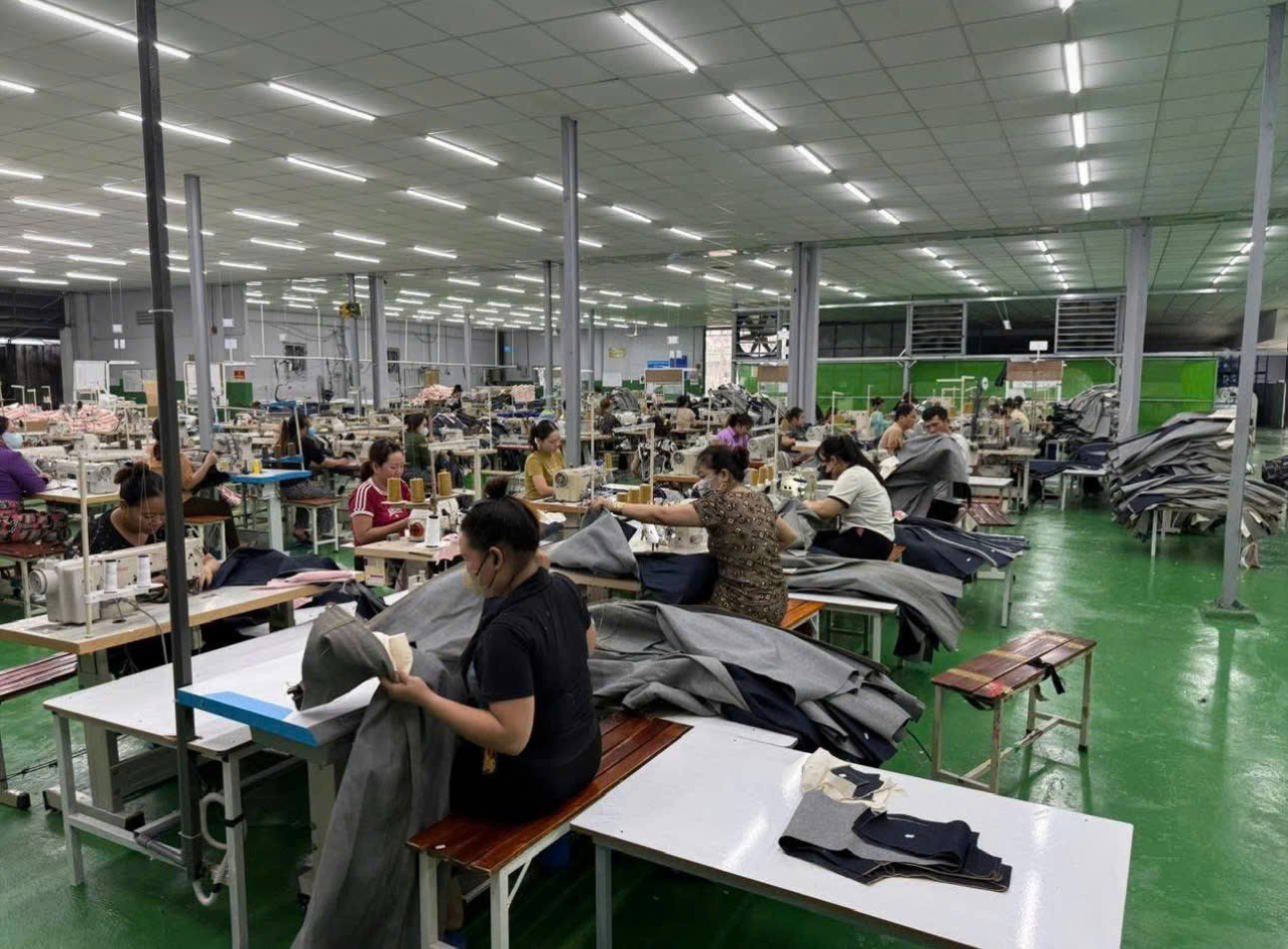
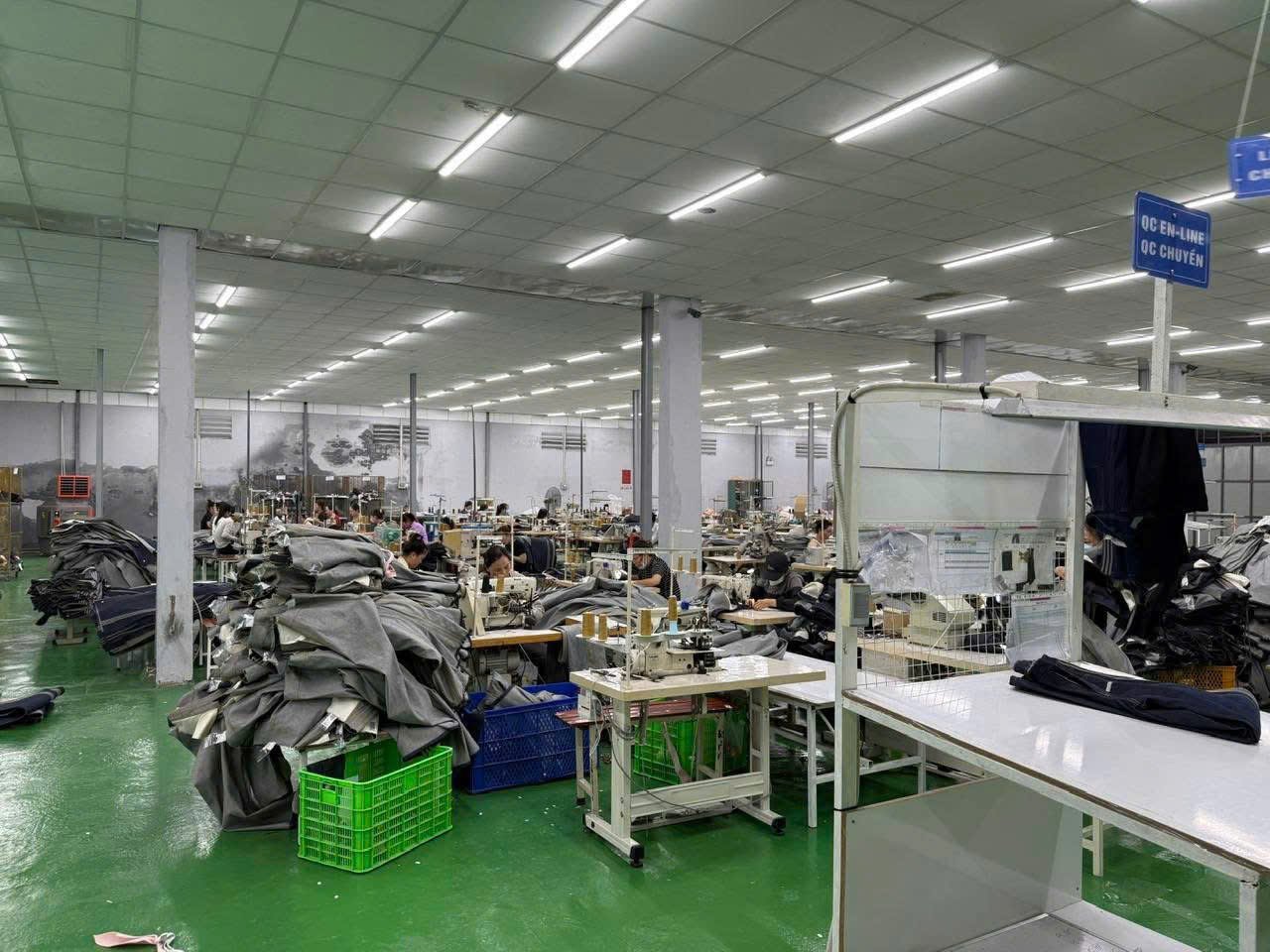
A proper inspection plan catches these issues before shipment. See how we handle quality control in our Vietnam garment factory and why buyers should avoid the most common mistakes when working with overseas factories.
How to choose by brand type
- Streetwear and fashion brands: heavyweight cotton-rich fleece or dense French terry delivers the premium feel and boxy drape that the category expects. Fabric is the product. Our private label clothing guide explains how to build a collection around it.
- Sportswear and gym brands: lighter French terry or poly-rich blends for breathability and moisture management. See sportswear manufacturing in Vietnam.
- TikTok Shop and Amazon sellers: price-sensitive, fast-moving products often use mid-weight blends with stable quality. Read about TikTok Shop clothing sourcing.
- Uniforms and corporate wear: durability and easy care matter most, so cotton/polyester fleece or terry is common. See uniform manufacturing in Vietnam.
- Kids’ hoodies: softness, safety and wash durability take priority; discuss testing requirements early. See kids clothing manufacturing.
If you sell in several climates, a common strategy is to offer both: a lighter French terry hoodie for transitional weather and a heavier fleece version for winter, sharing the same pattern and trims to reduce development cost.
What to put in your hoodie fabric spec
A clear brief shortens sampling by weeks. At minimum, include:
- Fabric construction (French terry, brushed fleece, other) and target finished GSM with tolerance.
- Fibre content, yarn type and any certification required.
- Colour references (Pantone or physical swatch) and dye method.
- Maximum shrinkage and torque limits after washing, and pilling grade.
- Decoration method, placement and artwork files.
- Trims: drawcord, eyelets, rib, zipper or kangaroo pocket detail.
- Labels, packing method and destination market requirements.
Send this with a reference garment if you have one. Our complete guide to ordering custom clothing from a Vietnam factory walks through the sample-to-shipment workflow.
Seasonal and market planning
Climate is the simplest filter. Buyers selling into North America, Northern Europe, Japan and Korea usually need at least one fleece hoodie for the cold months, because customers expect a warm, plush garment from October to February. Buyers selling into the Middle East, Southeast Asia, Australia and parts of Latin America often find that French terry sells for more of the year, since a heavy brushed fleece is uncomfortable in warm weather and tends to be bought as a fashion item rather than a daily garment.
Retail calendars matter too. Autumn and winter collections are normally developed many months ahead, so fabric decisions for a heavyweight fleece programme may need to be finalised in the first half of the year. Spring and summer lines built on lighter terry can follow a shorter timeline. Planning backwards from your in-store or listing date, and adding a buffer for sampling, fabric development, bulk production, inspection and shipping, is the most reliable way to avoid air freight.
Sampling and approval: how to save time
Hoodie sampling usually follows a simple path: you share the specification and reference, the factory sources or develops the fabric, a first sample is produced and measured, and you give comments. Every extra round adds days, so quality of the brief is the main lever. The most helpful habits are:
- Send a physical reference garment or fabric swatch whenever possible; photos alone do not convey weight or hand feel.
- Approve fabric first (a lab-dip for colour and a hand-feel swatch) before the full garment sample is cut.
- Give measurements as a graded size chart, with points of measure and tolerances, not just a medium size.
- Consolidate all comments into one list per round instead of sending them in pieces.
- Keep an approved sample sealed as the reference for production and final inspection.
Many first-time brands ask for a fabric that exists only in a photo. If the fabric must be developed from scratch, expect a longer timeline and a higher minimum than for a stocked cloth, and ask the factory to be explicit about which path applies.
Common fabric mistakes that cost brands money
Choosing by price per kilogram alone
Fabric is often quoted per kilogram while garments are costed per piece. A cheaper fabric with a looser knit or lower yield can consume more material per hoodie, wiping out the saving. Compare cost per finished garment, including consumption, wastage and rework risk.
Ignoring the hood and rib
The body fabric gets all the attention, yet hoods, cuffs and hems are where customers notice quality first. Rib that loses its stretch or a single-layer hood that flops will make an otherwise good hoodie feel cheap. Specify hood construction, lining and rib recovery along with the main cloth.
Skipping a wash test before bulk
A sample that looks perfect out of the box can behave very differently after three washes. A simple home-style wash test on the pre-production sample, recording shrinkage, colour change, pilling and seam twist, is inexpensive insurance.
Making sustainability claims without paperwork
Words such as organic, recycled and eco-friendly are regulated in many markets. If you plan to use them, ask the factory and the fabric supplier for the relevant certificates and transaction records and keep them on file.
Not telling the factory the end market
Chemical, labelling and safety requirements differ between destinations. Mentioning the target country early lets the factory choose compliant dyes, trims and tests from the start.
Frequently asked questions
Is French terry or fleece better for hoodies?
Neither is universally better. French terry suits mild weather and crisp decoration, while fleece suits cold weather and a plush interior. Choose according to your market climate and price position.
What GSM is best for a premium hoodie?
Premium hoodies are commonly specified in the midweight to heavyweight range, often above about 300 GSM, but fibre quality and finishing matter as much as weight.
Does fleece pill more than French terry?
It can, particularly when the yarn is weak or the brushing is aggressive. Request a pilling test on the bulk fabric to compare.
Can I mix both fabrics in one collection?
Yes. Many brands use the same pattern in two fabrics to cover different seasons without doubling development cost.
What is the MOQ for custom hoodies at AT Garment Factory?
Our MOQ for hoodies, polo shirts and uniforms starts from 2,000 pieces. Contact us with your specification for details.
How long does hoodie sampling take?
It depends on whether the fabric is stocked or must be developed. Stocked fabrics sample faster; request a timeline with your quote.
Conclusion
French terry and fleece are both excellent hoodie fabrics, but they solve different problems. French terry offers breathability, a clean decoration surface and a lighter silhouette. Fleece offers warmth and a plush interior. Your choice should follow your customer’s climate, your price position and your decoration plans, then be locked down with a written specification covering GSM, fibre, shrinkage and pilling.
Ready to develop a hoodie line? Browse our product range, review our OEM and ODM services or contact our team.
Email: thanhtung113123@gmail.com | WhatsApp: chat with us | Zalo: zalo.me/84334061502