
If you have ever collected quotes from three clothing factories and found that the prices cannot be compared, the cause is usually not the fabric or the labour. It is the Incoterm printed beside the price. One supplier quotes EXW, another FOB, a third DDP, and suddenly a $4.80 polo and a $5.60 polo are the same product at almost the same landed cost. This guide explains FOB vs EXW vs DDP for clothing manufacturing in plain language, using the situations that importers, buying offices, Amazon and TikTok Shop sellers and uniform buyers actually face when ordering from a factory in Vietnam.
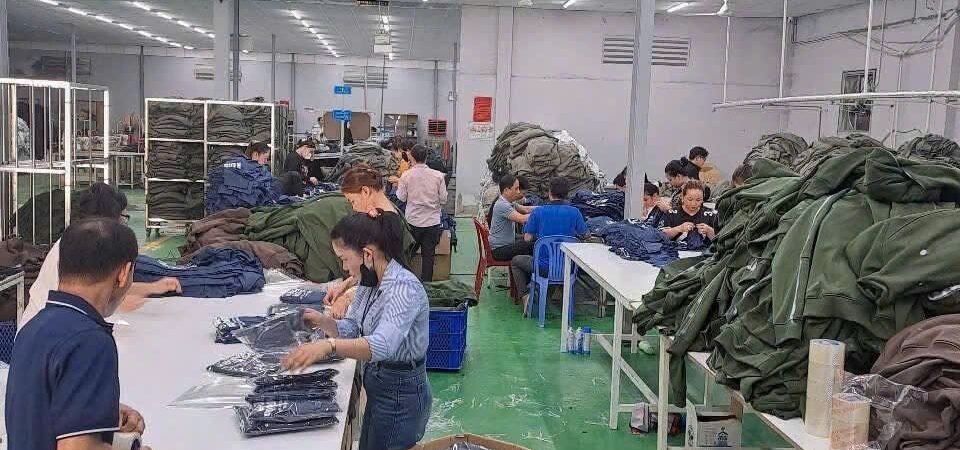
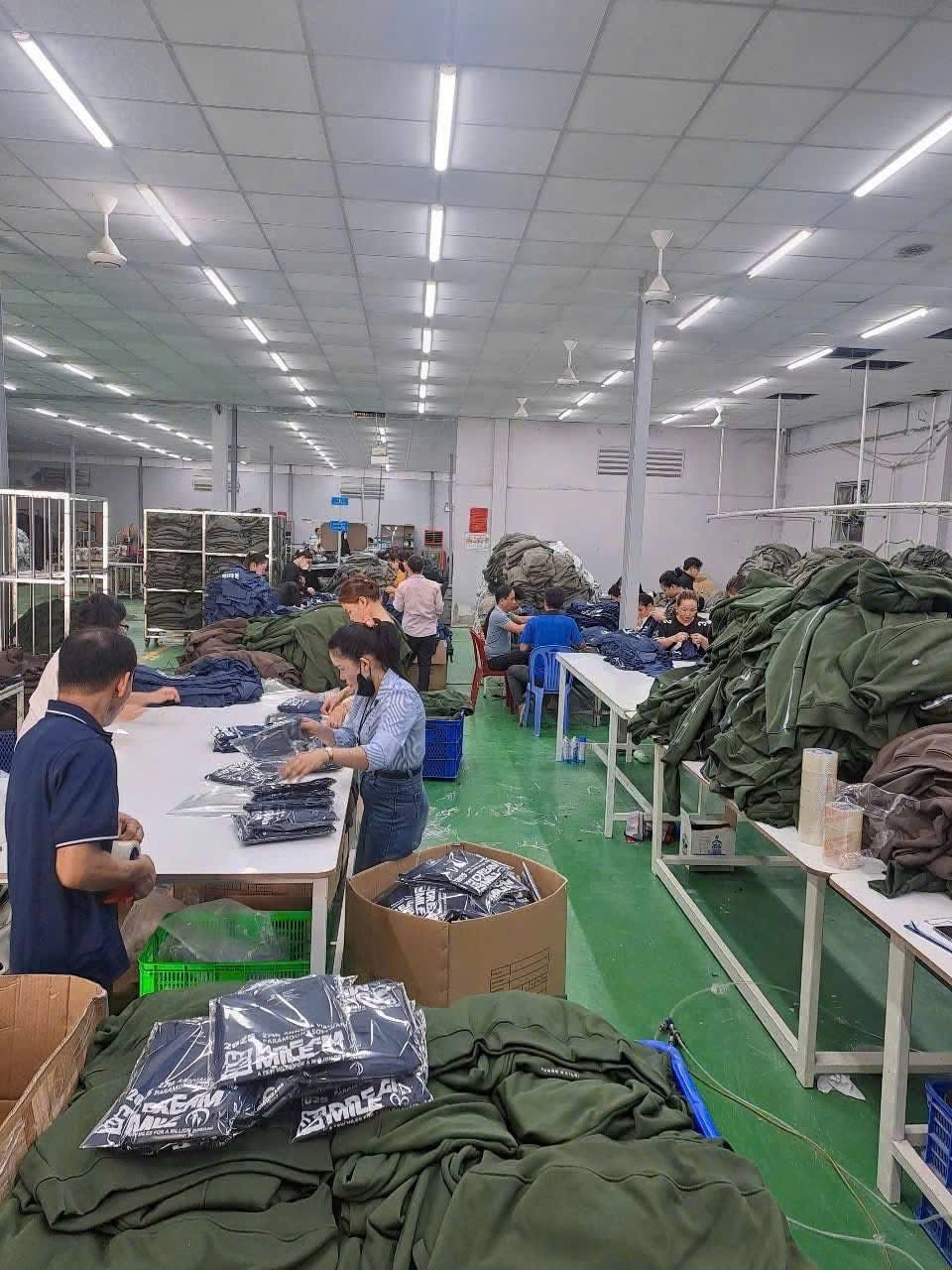
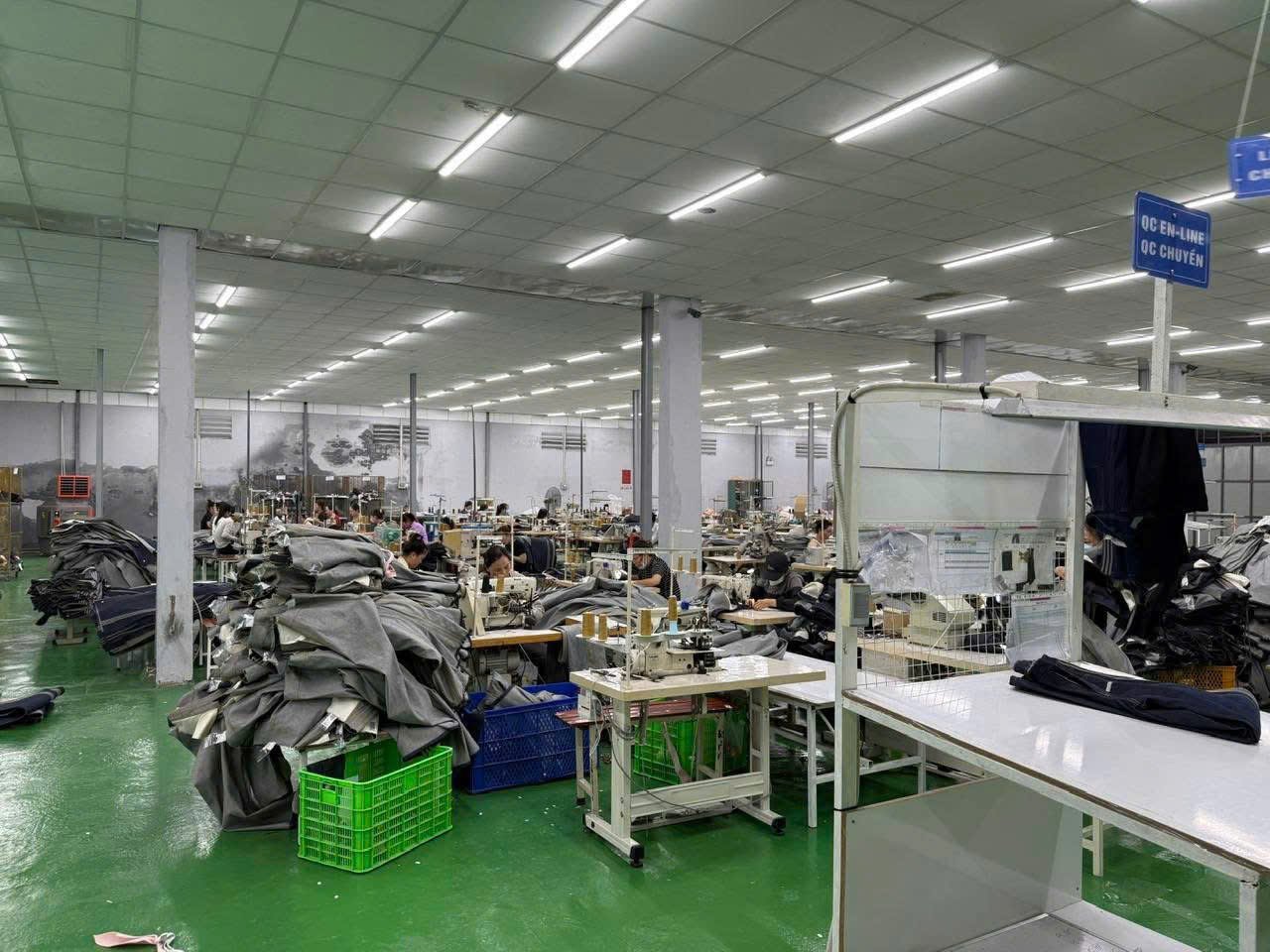
We are AT Garment Factory, an export-oriented factory in Binh Tan District, Ho Chi Minh City, with more than 10 years of experience and monthly capacity above 100,000 pieces. Everything below reflects how export shipments are normally structured in the apparel trade. It is general guidance, not legal advice; always confirm the exact wording with your freight forwarder and customs broker.
Table of contents
- Why Incoterms matter more than the unit price
- The short answer: which term should you use?
- FOB (Free On Board) explained for garment orders
- EXW (Ex Works): cheap on paper, expensive in practice
- FCA, CIF/CFR and DAP: when they make sense
- DDP: the all-inclusive option and its traps
- Side-by-side comparison of responsibilities
- How to compare quotes on a like-for-like basis
- Hidden costs that sit outside the Incoterm
- Typical shipping flow for a Vietnam garment order
- Which Incoterm for which buyer type
- Common mistakes to avoid
- Frequently asked questions
- Conclusion and next steps
Why Incoterms matter more than the unit price
An Incoterm (International Commercial Term) is a standardised rule, published by the International Chamber of Commerce, that says three things about a sale: who arranges and pays for transport, where the risk of loss or damage passes from seller to buyer, and who handles export and import customs clearance. The current edition is Incoterms 2020. It does not set the price, the payment terms, or the quality standard, and it does not transfer legal ownership of the goods. It only allocates cost, risk and tasks.
For a garment order this matters because the same carton of 3,000 hoodies can cost very different amounts to the buyer depending on how much of the journey the factory has already paid for. Industry sources commonly report that freight, insurance, duties and local charges can add a meaningful percentage on top of the factory price, and that the gap between the cheapest and the most expensive quote on the same product is often explained by terms rather than production cost. Comparing prices without normalising the Incoterm is the most common reason first-time importers pick the wrong supplier.
The short answer: which term should you use?
For most brands buying from Vietnam for the first few times, FOB (Free On Board) Ho Chi Minh City port is the best default. The factory delivers goods cleared for export and loaded on the vessel; you control the ocean freight, insurance and import side, which are the parts where you can negotiate and where you want visibility. Larger buyers with their own forwarder often prefer FCA at the factory gate or the container yard for the same reason. EXW is usually the worst fit for apparel from Vietnam, and DDP is a convenience product best reserved for small parcels, e-commerce replenishment or buyers with no import experience, with the caveats described below.
- FOB: best balance of control and simplicity for sea freight; widely used in apparel.
- EXW: lowest headline price, but you inherit export clearance and local pickup, which is awkward for a foreign buyer.
- CIF/CFR: factory books the ship; convenient but you lose rate control and the insurance is minimum cover.
- DDP: one price to your door; the seller carries cost and risk to destination, so the quote is higher and the details need careful reading.
FOB (Free On Board) explained for garment orders
Under FOB the seller delivers the goods on board the vessel nominated by the buyer at the named port of shipment, for example “FOB Cat Lai” or “FOB Cai Mep”. The seller pays for packing, loading at the factory, trucking to the port, terminal handling at origin and export customs clearance. Risk passes to the buyer once the goods are on board. From that moment ocean freight, marine insurance, destination port charges, import duty, import VAT or sales tax and final delivery are the buyer’s account.
Why FOB suits garments
- You choose the forwarder and shipping line, so you can consolidate with other suppliers, use a contract rate, or switch carriers when the market moves.
- Export formalities stay with the factory, which knows the local port, the export declaration and the certificate-of-origin process.
- Shipping lines and forwarders quote “FOB-based” rates daily, so benchmarking is easy.
- It lines up well with preferential-origin documentation such as EUR.1 or Form D style certificates when your destination market has a trade agreement with Vietnam; your broker can confirm which applies.
A technical point buyers often miss
Strictly speaking, FOB, CIF and CFR are intended for non-containerised sea cargo. Because almost all apparel moves in containers that are handed to the terminal before the ship is loaded, the ICC itself suggests FCA for container shipments. In practice the trade still says “FOB” for containers and the commercial result is nearly identical, but if your bank, insurer or letter of credit is strict, FCA with a named container yard is the cleaner choice. Raise it with your forwarder before you sign the purchase order.
EXW (Ex Works): cheap on paper, expensive in practice
Under EXW the seller makes the goods available at its own premises and does nothing else. The buyer collects them, arranges trucking, clears the goods for export and takes all risk from the factory door. It looks attractive because the quoted unit price is the lowest.
The problem is practical. Export clearance in Vietnam must be filed by a party with a local tax code and customs access, so a foreign buyer almost always needs a forwarder to act as the exporter’s agent, which adds fees and a point of failure. Loading, carton counting and photos at pick-up need someone present. If the factory also ends up arranging these tasks “as a favour”, the cost simply moves into separate invoices and the price advantage disappears. Many sourcing guides therefore advise apparel buyers to avoid EXW unless they run their own logistics team in-country.
FCA, CIF/CFR and DAP: when they make sense
FCA (Free Carrier)
The seller hands over export-cleared goods to the buyer’s carrier at a named place, such as the factory or a container freight station. Risk transfers at that handover. It is the ICC-preferred term for containers and works well if you have a strong forwarder who can pick up at the factory.
CFR and CIF
Under CFR the seller pays freight to the destination port; CIF adds minimum marine insurance. Risk still passes at loading, so you carry transit risk even though the seller booked the ship. These terms appeal to buyers who want a port-to-port number without managing a forwarder. The trade-off is that the freight element is whatever the seller’s forwarder charged plus margin, and you cannot easily see it. Compare it with a separate forwarder quote before accepting.
DAP (Delivered at Place)
The seller delivers to a named destination, for example your warehouse, ready for unloading, but the buyer pays import duty and taxes. It is a sensible middle ground when you want door delivery but need to control customs classification and duty planning yourself.
DDP: the all-inclusive option and its traps
Under DDP the seller delivers to your named destination with import clearance done and duties and taxes paid. For the buyer it means a single invoice and no customs paperwork. For the seller it means taking responsibility for something that depends on foreign law and fluctuating tariffs.
When DDP works
- Smaller shipments and samples, where the admin of a customs entry costs more than the goods.
- Retailers who want a fixed delivered cost per unit for budgeting.
- First orders where you want to test a product before building a logistics set-up.
Where DDP goes wrong
- Tariff changes: duty rates and trade measures have moved quickly in recent years. A DDP price that fixes duty at today’s rate can be renegotiated, or the seller can ask for a surcharge, if rules change before shipping. Check who bears the risk of a tariff change in your contract.
- Opaque pricing: you cannot see freight, duty and margin separately, so you may overpay on high-value, low-volume lots.
- Importer-of-record issues: in many countries the importer of record must be a local entity. A factory in Vietnam cannot always act as one, so DDP often relies on a third-party service whose reliability becomes your problem.
- Claims handling: if cartons arrive wet or short, you still need clear documentation to claim from the carrier or insurer.
Side-by-side comparison of responsibilities
The table below summarises who normally handles what. It is a simplified view; the Incoterms 2020 rules and your contract remain the authority.
| Task | EXW | FCA/FOB | CIF | DAP | DDP |
|---|---|---|---|---|---|
| Packing and factory loading | Seller (loading by buyer) | Seller | Seller | Seller | Seller |
| Export customs clearance | Buyer | Seller | Seller | Seller | Seller |
| Main ocean freight | Buyer | Buyer | Seller | Seller | Seller |
| Marine insurance | Buyer (optional) | Buyer (optional) | Seller (minimum cover) | Agreed | Agreed |
| Import duty and taxes | Buyer | Buyer | Buyer | Buyer | Seller |
| Transit risk passes | At factory | On board / handover | On board | At destination | At destination |
How to compare quotes on a like-for-like basis
The cleanest way to avoid a bad decision is to convert every quote to the same basis, typically landed cost to your warehouse. Use this routine:
- Step 1. Ask every supplier to quote the same item, quantity, packing method and Incoterm, ideally FOB.
- Step 2. Add a separate forwarder quote for ocean freight, origin and destination handling, and insurance. Get at least two.
- Step 3. Add import duty using the correct HS code for your product and country of origin, plus VAT or sales tax where it is not recoverable.
- Step 4. Add inland delivery, customs broker fees and any bond or inspection charges.
- Step 5. Divide the total by the number of sellable units to get landed cost per piece, then compare.
Run this once for a hoodie or polo order and you will quickly see which offers are genuinely cheaper. Often the FOB option wins narrowly on cost and clearly on transparency.
Hidden costs that sit outside the Incoterm
Even a well-chosen term leaves items that surprise newcomers. Check these in your quote:
- Terminal handling and documentation fees at origin; confirm whether they are inside the FOB price or billed to the consignee.
- Inspection and testing, such as pre-shipment inspection or lab tests for children’s clothing and uniforms.
- Labels, hangtags, polybags and carton marks required by retailers; the cost of re-packing at a warehouse if they are wrong.
- Demurrage and detention if containers are not collected or returned in time.
- Currency: confirm whether the price is in USD and when the exchange rate is fixed.
- Payment terms: common arrangements are a deposit with balance before shipment or against copies of the shipping documents, but they must be agreed in writing.
Typical shipping flow for a Vietnam garment order
Understanding the sequence helps you see where responsibility changes hands. A typical FOB sea shipment from Ho Chi Minh City looks like this:
- Production finishes, the final inspection is completed and goods are packed into export cartons with shipping marks.
- The buyer’s forwarder issues a booking and the factory is told the cut-off date and container yard.
- The container is stuffed at the factory or at a depot, sealed and photographed.
- The factory files the export declaration and delivers the container to the terminal; port charges at origin are settled.
- The vessel loads and the bill of lading is issued. Risk passes to the buyer under FOB.
- The documents (commercial invoice, packing list, bill of lading and certificate of origin where applicable) are sent to the buyer or the bank.
- The buyer’s broker clears the goods at destination, pays duty, and the container is delivered.
Deep-water terminals in the Cai Mep–Thi Vai area now handle direct services to the US and Europe, which can shorten the route versus transshipment, while Cat Lai remains the main container port closest to the city. Ask your forwarder which gateway suits your destination and cut-off schedule. For timing across the whole production cycle, see our guide to garment production lead time in Vietnam.
Which Incoterm for which buyer type
Brands and start-ups placing a first order
Start with FOB, or DAP if you want door delivery with control over duty. Use the exercise above to keep your freight forwarder honest. If you are still defining your product, read our private label clothing guide and the tech pack and sample development guide first, because specification errors cost more than any Incoterm mistake.
Amazon and TikTok Shop sellers
Sellers who ship to fulfilment centres often use FOB with a forwarder who handles delivery to the marketplace warehouse, or a DDP service to avoid being the importer of record. Carton labelling and prep requirements are strict, so read our guides on the Amazon FBA clothing supplier and TikTok Shop clothing manufacturing before you finalise terms.
Buying offices and wholesalers
Buying offices usually have their own forwarding contracts and prefer FOB or FCA, with their QC team inspecting before release. Our overview for buying offices and sourcing agents covers this workflow, and buying wholesale clothing factory-direct explains the economics.
Uniform and corporate buyers
Schools, hospitals, hotels and restaurant groups often want a delivered price for budgeting. DAP or DDP can be appropriate, but lock the specification, size breakdown and delivery window in the contract. See uniform manufacturing in Vietnam.
Common mistakes to avoid
- Comparing an EXW price with an FOB or DDP price as if they were equal.
- Writing “FOB Vietnam” without naming a port; always specify the port, for example “FOB Ho Chi Minh City (Cat Lai)”.
- Assuming the Incoterm covers quality; it does not. Put inspection rights and acceptance criteria in the purchase order. Our quality control process shows what to ask for.
- Accepting DDP without asking who is importer of record and what happens if duty rates change.
- Skipping cargo insurance under FOB because the factory “has never had a problem”.
- Leaving cut-off and ship dates vague, then paying air freight to recover a late sailing.
- Not reading the broader risks of working with overseas factories.
Frequently asked questions
What is the difference between FOB and EXW for clothing?
Under EXW the buyer collects goods at the factory and handles export clearance and all transport. Under FOB the factory clears the goods for export and loads them on the vessel, so the buyer’s responsibility starts at the port. FOB is generally easier for foreign buyers of apparel.
Is DDP cheaper than FOB?
Usually not. DDP bundles freight, duty and the seller’s margin and risk buffer into one price. It can be convenient and sometimes competitive on small shipments, but for regular container orders FOB with your own forwarder is typically more transparent and often cheaper.
Which Incoterm should a first-time importer choose?
FOB at a named Vietnamese port is the most commonly recommended starting point. If you prefer door delivery but want to control duty, DAP is a good alternative. Confirm with your forwarder before ordering.
Who pays import duty under FOB?
The buyer. Under FOB, CIF, EXW and DAP the buyer pays import duty and taxes at destination. Only DDP places these on the seller.
Do Incoterms affect minimum order quantity or price per piece?
They affect the unit price you are quoted, not the MOQ. At AT Garment Factory MOQs start from 50 pieces for blank items, 100 for printed items, 200 for OEM branded items, and 2,000 for hoodies, polos and uniforms.
Can AT Garment Factory quote different Incoterms for the same order?
Yes. We can quote FOB, and discuss other terms depending on the destination and your forwarder arrangements. Send your product, quantity and destination so we can provide a clear like-for-like quote.
Conclusion and next steps
Incoterms look like small print, but they decide who pays, who is exposed to loss and who deals with customs. For most apparel buyers sourcing from Vietnam, FOB (or FCA for container-heavy shipments) offers the best mix of control and simplicity; EXW is rarely worth the saving; and DDP is a convenience you should price carefully and contract tightly. Convert every quote to landed cost, name the port, and put inspection and insurance in writing.
Ready to compare real numbers? Browse our products and services, then contact us with your style, quantity and destination.
Email: thanhtung113123@gmail.com
WhatsApp: Chat on WhatsApp
Zalo: zalo.me/84334061502