
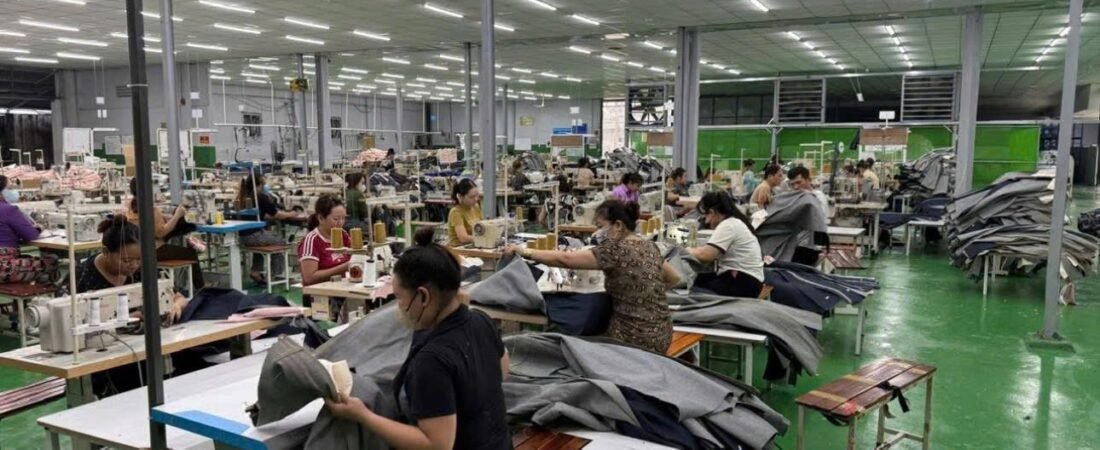
For an importer, a buying office or a fashion brand, the price per piece gets all the attention in the first conversation. Experienced buyers know that garment production lead time in Vietnam often matters just as much. A hoodie that lands three weeks late misses the retail window, forces air freight, triggers chargebacks from big retailers, or leaves an Amazon listing out of stock while competitors take the ranking. A shipment that lands early at a fair price does the opposite: it gives you cash-flow certainty and room to reorder.
This guide explains, phase by phase, how long clothing production really takes when you work with a Vietnamese factory. It is written from the factory side by AT Garment Factory, an export-oriented manufacturer in Binh Tan District, Ho Chi Minh City, with more than 10 years of experience and capacity of 100,000+ pieces per month. We cover what drives each phase, what the published industry benchmarks say, where orders usually slip, and what you can do as the buyer to protect your delivery date.
Table of Contents
- Why Lead Time Decides Whether an Order Makes Money
- The Six Phases of Garment Production Lead Time
- Industry Benchmarks: How Long Should Each Product Take?
- Phase 1–2: Tech Pack and Sample Development
- Phase 3: Fabric Sourcing, the Biggest Variable
- Phase 4: Bulk Production Planning
- Phase 5: Quality Control and Pre-Shipment Inspection
- Phase 6: Packing, Export Documents and Shipping
- Example Timeline: A 5,000-Piece Polo Order
- How to Shorten Lead Time Without Hurting Quality
- The Most Common Causes of Delay
- Frequently Asked Questions
- Conclusion
Why Lead Time Decides Whether an Order Makes Money
Lead time is the total calendar time from the day you confirm an order to the day goods are in your hands or your forwarder’s hands. It is not the same as the production time quoted on a pro-forma invoice. Many first-time buyers hear “30 days” from a supplier and assume the clock covers everything. In reality, that number usually refers only to cut-and-sew once fabric, trims and approved samples are all in place.
Three reasons make lead time a profit lever and not just a scheduling detail:
- Seasonality. Apparel is sold against fixed windows such as back-to-school, holiday, spring/summer drops and sports seasons. A two-week slip can move a whole collection into markdown territory.
- Cash conversion. Inventory you have paid for but cannot sell yet ties up working capital. Shorter, predictable lead times let you order smaller quantities more often.
- Retailer penalties. Large retail and marketplace programs often apply fines or cancel orders for late delivery, so predictability is worth more than a few cents of unit price.
If you are still deciding between countries, our comparisons of Vietnam vs China and Vietnam vs Bangladesh look at lead time alongside cost, compliance and trade access.
The Six Phases of Garment Production Lead Time
Every garment order, whether it is a basic tee or a lined jacket, passes through the same sequence. The durations differ, but the order of events does not.
- Design and tech pack: specifications, measurements, construction notes and artwork are finalised. Industry guides commonly cite 1–2 weeks when the buyer starts from scratch.
- Pattern making and sampling: the factory builds a prototype, you comment, and the factory revises. Each revision round commonly adds roughly 1–2 weeks in Asia and more in higher-cost regions.
- Fabric and trim sourcing: mills knit or weave, dye, finish and test the fabric; trims such as labels, zippers and drawcords are bought. Commonly reported ranges are 2–6 weeks, longer for custom-dyed or imported materials.
- Pre-production and bulk production: cutting, printing or embroidery, sewing, washing and finishing. Bulk output typically takes a few weeks depending on quantity and complexity.
- Quality control: in-line checks, final inspection and, when requested, a third-party audit, commonly about 1 week.
- Packing and shipping: carton packing, export documents, trucking to the port and ocean or air transit.
Industry Benchmarks: How Long Should Each Product Take?
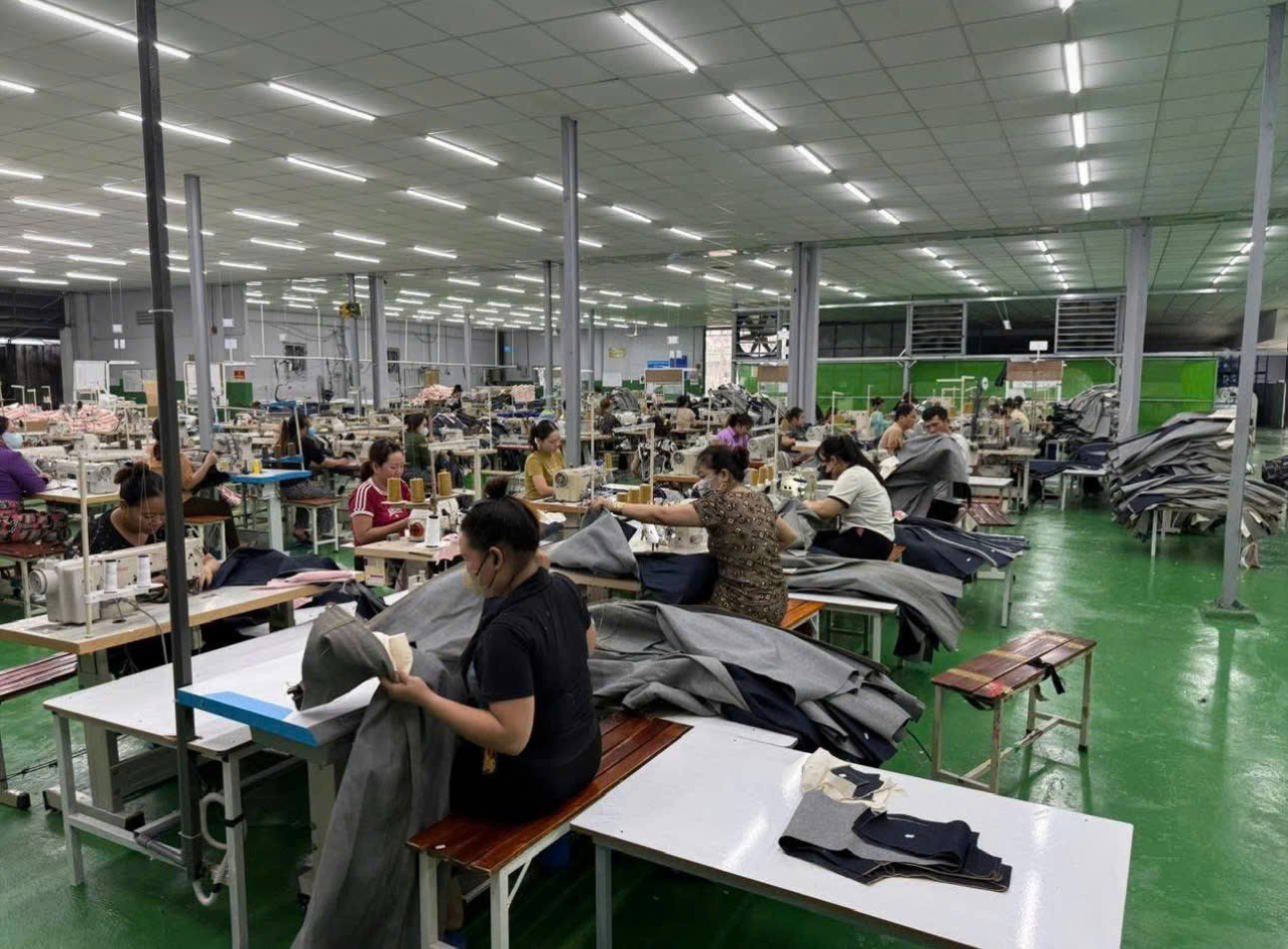
Published industry guides give a useful frame of reference, even though every factory and every order is different. According to one widely read overview of apparel manufacturing timelines, Asian manufacturers are commonly reported at around 10–16 weeks end to end, against a global average of 12–20 weeks. The same source lists typical totals by product type: T-shirts around 8–12 weeks, hoodies 10–14 weeks, jeans 12–18 weeks and jackets 14–20 weeks. These figures include sampling and fabric sourcing, which is why they look longer than a factory’s bulk-only quote.
A US-based sourcing marketplace reports a similar pattern for domestic production: sampling can take 4–12 weeks, fabric sourcing 3–6 weeks (6–8+ for imported or specialty cloth), production 4–8 weeks and quality control 1–2 weeks. The shared lesson is that fabric and sampling dominate the calendar, not sewing.
For planning, use this simplified table of what buyers commonly experience when ordering from Vietnam. Treat it as a starting range and ask any factory for its own confirmed schedule:
- Basic T-shirts and polos (repeat style, stock fabric): industry figures suggest roughly 6–10 weeks from PO to ex-factory.
- New style with development samples: add roughly 2–4 weeks for sampling and approval rounds.
- Hoodies and sweatshirts (French terry or fleece): typically 8–12 weeks because heavier fabrics and rib trims take longer to produce and dry.
- Denim jeans and jackets: commonly 10–16 weeks because of washing, finishing and more sewing operations.
- Uniforms: depends on size breakdowns and embroidery; plan 8–12 weeks and allow a buffer for name or logo changes.
If you are comparing suppliers, ask for the schedule in writing broken down by phase. A supplier who only quotes “30–45 days” without saying what that includes is likely quoting bulk sewing alone.
Phase 1–2: Tech Pack and Sample Development
Sampling is the phase buyers most often underestimate. It is also the phase you control best. The fastest developments we see come from buyers who send a complete tech pack with a clear size chart, grading rules, stitch types, label placement and Pantone references on the first day.
Our detailed walkthrough in the tech pack and sample development guide shows exactly what to include. In practice, a clean tech pack saves one full revision loop, which is often the difference between one and three weeks.
Typical sample stages
- Proto sample: checks the pattern and fit using a similar fabric, not the final one.
- Fit sample: uses the real fabric and trims so you can approve measurements and comfort.
- Pre-production sample (PP): a final sample made on the production line with bulk materials; it becomes the reference for inspection.
- Top-of-production sample (TOP): pulled from the first finished bulk pieces to confirm that production matches the approved PP.
How to shorten sampling
Approve or comment within 24–48 hours of receiving photos and measurement tables, give all comments in a single consolidated list and avoid changing fabric after the fit sample. Digital approval of measurements before shipping a physical sample can remove a whole courier round trip, which commonly takes 3–7 days each way internationally.
Phase 3: Fabric Sourcing, the Biggest Variable
Fabric is the largest source of variation in any garment timeline. A stock cotton jersey in a standard colour can be on the cutting table within days. A custom-dyed, organically certified or specially finished cloth may take several weeks to knit, dye and pass lab testing.
Practical ways to keep fabric from becoming the bottleneck include:
- Choose from the factory’s existing fabric library for your first order, then customise for the reorder.
- Confirm GSM, composition and shrinkage tolerance early. Our T-shirt GSM guide explains how weight affects both cost and time.
- For heavier garments, read the comparison in our French terry vs fleece hoodie guide, since fleece typically needs extra brushing time.
- If you want certified fibres, plan more time. See the organic cotton manufacturing guide for documentation requirements.
- Order fabric before the sample is finalised only if you accept the risk of losing it if the style changes.
Vietnam’s textile industry still imports a large share of its fabric, mainly from China, South Korea and Taiwan, according to commonly cited trade reporting. That is why transit time for imported cloth is built into many schedules, and why factories with established mill relationships can quote shorter, more reliable fabric windows.
Phase 4: Bulk Production Planning
Once the pre-production sample is approved and the fabric is in house, bulk production is the most predictable stage. Capacity is measured in pieces per line per day, and the schedule is driven by quantity, number of colours and sizes, and operations per garment.
For a plain tee, a well-organised line can produce far more per day than for a lined jacket with ten pockets. Embroidery, special washes and appliqué add time; one published example showed such processes adding about 10 days to a 300-unit order. Printing choices matter as well, which is why we compare options in our screen printing vs embroidery vs DTG/DTF guide.
Quantity and MOQ effects
Our minimum order quantities are from 50 pieces for blank garments, 100 pieces for printed items, 200 pieces for OEM branded items and 2,000 pieces for hoodies, polos and uniforms. Smaller quantities start sooner because they fit into gaps in the schedule, while orders above 5,000 pieces per style are planned across several lines and often split into shipments. If you are testing a market, read our guide to low-MOQ clothing manufacturing in Vietnam.
Phase 5: Quality Control and Pre-Shipment Inspection
Quality control is not a place to save time. A defect found after cartons are sealed can cost far more than the one or two days a proper inspection requires. Industry guides generally place inspection at about a week in total and recommend a mid-production check at roughly one third of the way through the run, when systemic issues can still be corrected.
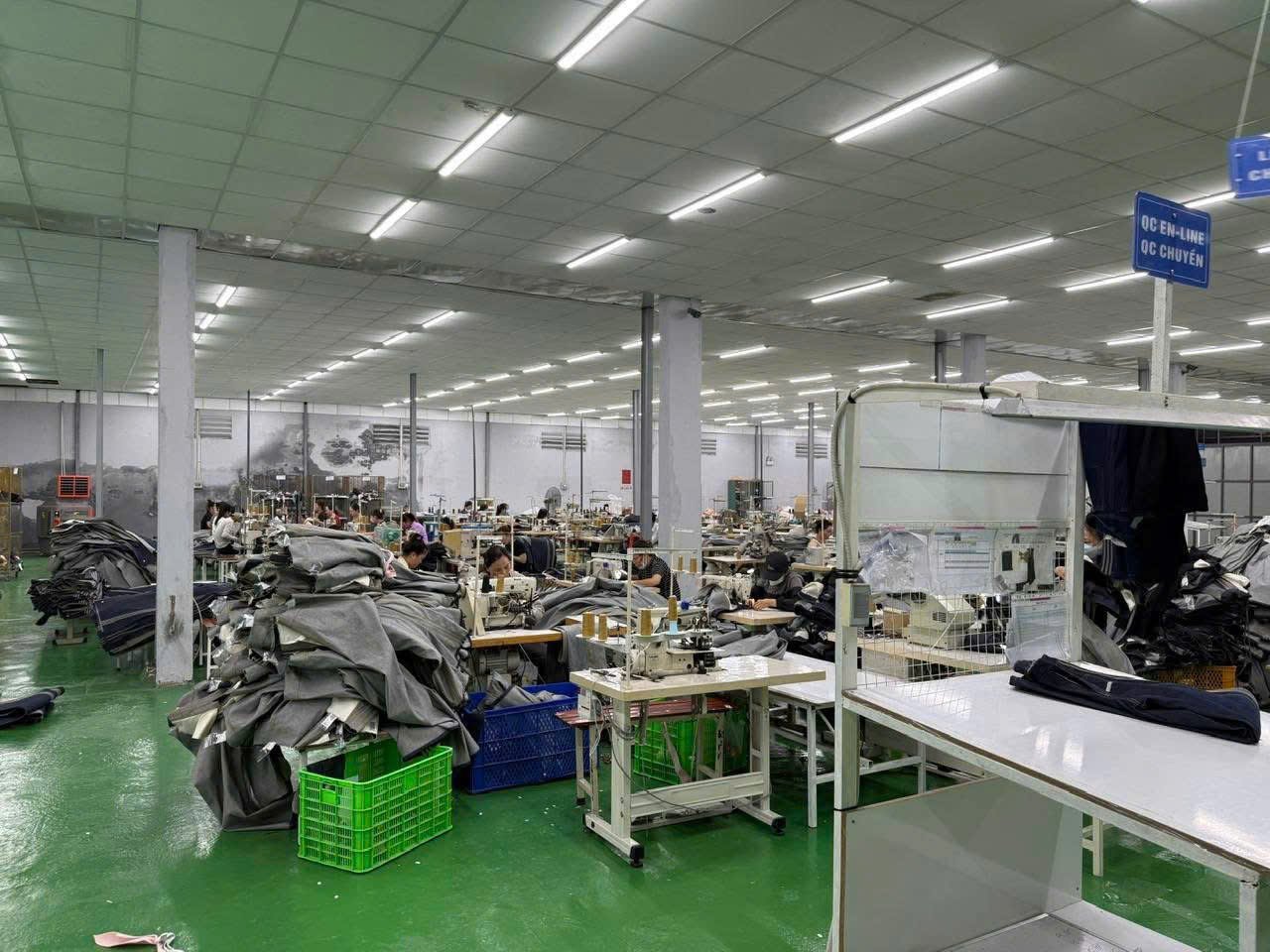
A typical checkpoint structure is incoming fabric inspection, in-line checks during sewing, final random inspection against an AQL level agreed with the buyer, and a measurement audit against the approved sample. We explain each step in detail in our article on quality control in a Vietnam garment factory.
If you hire a third-party inspection company, book it before production finishes. Inspector availability is a common hidden delay, and a rejected lot requires re-work and re-inspection, which can add several days.
Phase 6: Packing, Export Documents and Shipping
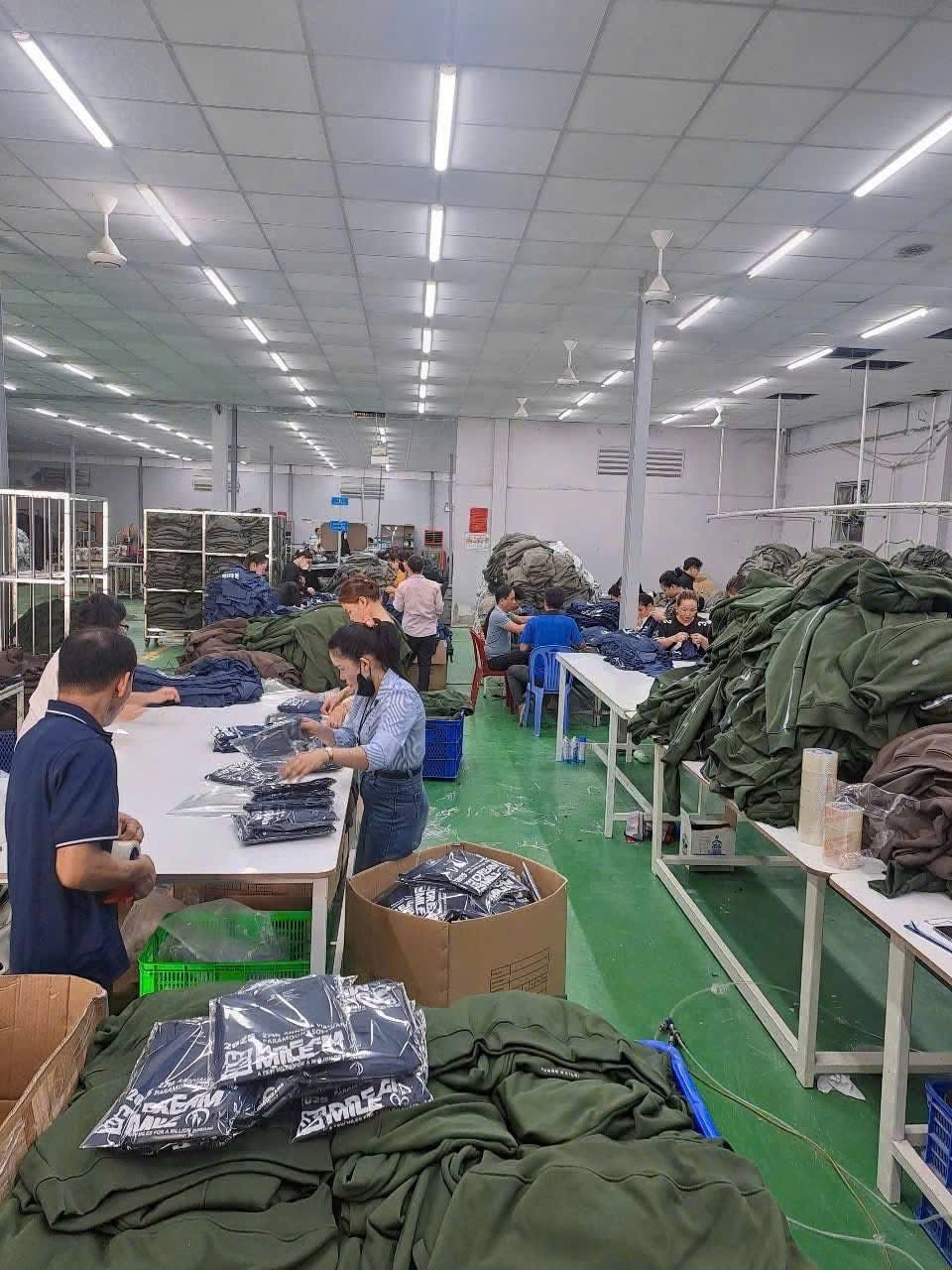
After inspection, goods are packed according to your instructions: polybag size, hang tags, barcode stickers, carton marking and packing ratios. Wrong carton markings are one of the easiest ways to delay receiving at a retail distribution centre, so send the packing list requirements before production starts.
Export documentation in Vietnam includes a commercial invoice, packing list, bill of lading and, depending on destination, a certificate of origin. Free-trade agreements can affect duty rates, so confirm with your customs broker which origin document you need. Customs clearance on the Vietnam side normally takes a few days when documents are correct.
Transit times from Ho Chi Minh City (Cat Lai or Cai Mep) depend on the lane and the service. Commonly reported ocean transit is about 18–30 days to the US West Coast, 30–40 days to the US East Coast and 25–35 days to major European ports, plus port handling. Air freight takes days, but costs many times more per kilogram, so it is best reserved for emergencies or high-margin samples.
Example Timeline: A 5,000-Piece Polo Order
The following illustrative schedule is based on typical industry ranges and not a guarantee. It assumes a repeat-style polo shirt, 5,000 pieces in three colours, stock fabric and prompt buyer approvals:
- Week 0: PO and tech pack confirmed; fabric booking begins.
- Weeks 1–2: fit sample made and shipped; digital measurement approval in parallel.
- Weeks 2–4: fabric knitting, dyeing and testing; trims arrive; pre-production sample approved.
- Weeks 4–8: cutting, printing or embroidery, sewing and finishing.
- Week 8–9: in-line and final inspection; packing.
- Week 9–10: export clearance and loading, then ocean transit of about 3–5 weeks depending on the destination.
From purchase order to the buyer’s warehouse, that is roughly 12–15 weeks. A new style with an extra sample round or custom-dyed fabric can reach 16–20 weeks. These are the same ranges most published guides cite for Asian production, which is a good sign that the numbers are realistic.
How to Shorten Lead Time Without Hurting Quality
There is no magic button, but disciplined buyers consistently achieve faster results than average. The following practices are the ones we see work most often:
- Finalise decisions before the PO. Colours, sizes, labels and packaging should be locked in the tech pack.
- Reuse approved fabrics and patterns. Repeat orders skip most of the development phase.
- Split the order. Ship the first colour or size run early and the rest later when the market needs it.
- Approve fast. Fix a two-day response time with your merchandiser and agree on who has authority to approve.
- Plan to a calendar, not a vague season. Work backwards from your in-store or listing date and add a two-week buffer.
- Use a single point of contact. Buying offices and sourcing teams that centralise comments cut revision rounds; see our guide for buying offices.
The Most Common Causes of Delay
Looking across orders, the same causes of delay appear again and again. The list below is ordered roughly by how often it shows up and how much time it costs:
- Late or changing approvals on samples and artwork.
- Fabric not in stock or failing a lab test (shrinkage, colourfastness).
- Trim shortages such as labels, zippers or custom buttons.
- Adding embroidery, special washes or extra pockets after the PO.
- Missing packing or labelling instructions.
- Holiday periods, especially Tet (Lunar New Year) in Vietnam, when factories close for about a week and a significant part of the workforce returns late.
- Port congestion or limited space on a vessel during peak season.
Our article on the top 5 mistakes when working with overseas factories covers several of these in more detail. If you are new to the process, the complete buyer’s guide to ordering from a Vietnam factory walks through each step.
Frequently Asked Questions
How long does garment production take in Vietnam?
For a repeat style with stock fabric, buyers commonly see about 6–10 weeks from purchase order to ex-factory, plus shipping. A new style with sampling typically takes 10–16 weeks to reach the factory gate, depending on fabric and complexity.
How long does sample development take?
A first sample often takes roughly 1–2 weeks after a complete tech pack is received. Each revision round commonly adds another 1–2 weeks, so clear comments are the fastest way to a short schedule.
Can you produce an order in 30 days?
Only in limited cases: a simple style, stock fabric, approved samples and a modest quantity. Many guides treat 45 days as a best case for small orders, so ask the factory to confirm the schedule before you promise delivery dates to your own customers.
What is the best time to place orders to avoid delays?
Place orders at least 4–6 weeks before Tet and before the peak shipping season. Early booking also gives you better access to fabric and line capacity.
Does MOQ affect lead time?
Yes. Our MOQs start at 50 pieces for blanks, 100 for printed items, 200 for OEM branded items and 2,000 for hoodies, polos and uniforms. Larger quantities take longer in bulk, but small custom orders can be delayed by decoration steps.
How can I track my order?
Ask for a weekly production report with photos from cutting, sewing and packing, plus a simple milestone schedule. Clear milestones make problems visible early.
Conclusion
Garment production lead time in Vietnam is not a single number. It is a chain of six phases in which sampling and fabric account for most of the uncertainty and bulk sewing is the most predictable. Buyers who prepare a complete tech pack, approve quickly, lock fabric early and plan around Tet and shipping seasons usually receive goods on time and at the expected quality. Those who treat lead time as an afterthought tend to pay for it in air freight and lost sales.
If you are planning a polo, T-shirt, hoodie, denim or uniform program, send us your tech pack or reference sample and target delivery date. We will reply with a phase-by-phase schedule. See our products and services pages, or contact us.
Contact AT Garment Factory: Email thanhtung113123@gmail.com | WhatsApp chat now | Zalo zalo.me/84334061502