
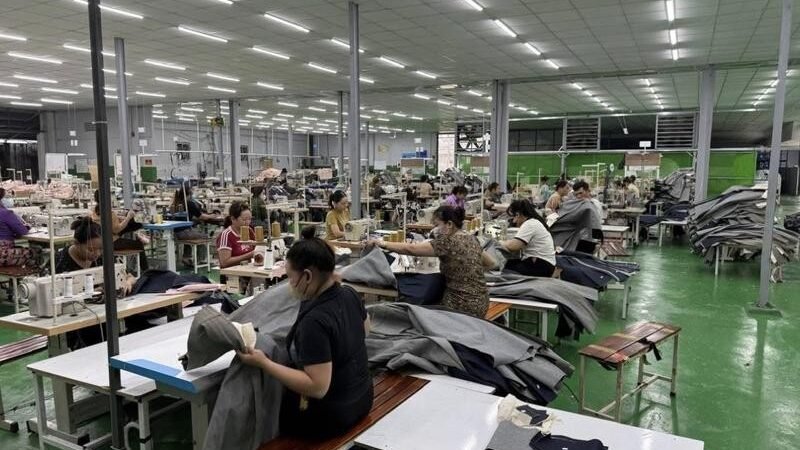
An EU buying office asks for GOTS-certified organic cotton. An Amazon Climate Pledge Friendly applicant needs a recycled polyester supplier with a GRS transaction certificate on file. A UK retailer’s compliance team wants to know exactly which dye house touched the fabric before it reaches a Vietnam cut-and-sew line. None of these are hypothetical requests anymore — they are becoming standard purchase-order conditions across the US, UK, EU, and Australian import markets that source apparel from Vietnam.
This guide is written from the factory floor, not from a sourcing directory. It explains what “sustainable manufacturing” actually means inside a Vietnamese garment factory, which certifications are worth asking for versus which are marketing noise, what a genuine cost premium looks like, and how to place a first order without getting greenwashed by a supplier who slaps “eco” on a hang tag and calls it a day.
Table of Contents
- What “Sustainable Manufacturing” Actually Means in a Vietnam Garment Factory
- Key Certifications Buyers Should Ask For (And What They Really Cover)
- Sustainable Fabric Options Available From Vietnam Factories
- How Much More Does Sustainable Production Actually Cost?
- MOQ for Organic and Recycled Fabric Orders
- Low-Impact Dyeing and Finishing Techniques
- Packaging and Trims: Closing the Sustainability Loop
- How to Verify a Factory’s Sustainability Claims (Avoid Greenwashing)
- Step-by-Step: Placing Your First Sustainable OEM Order
- AT Garment Factory’s Approach to Sustainable Production
- FAQ
What “Sustainable Manufacturing” Actually Means in a Vietnam Garment Factory
“Sustainable” is used loosely across the apparel trade, so it helps to separate it into four distinct areas that a factory can actually control, rather than treating it as one vague label.
Fiber sourcing covers what the fabric is made from — certified organic cotton, recycled polyester (rPET) made from post-consumer plastic bottles or pre-consumer textile waste, regenerated fibers like TENCEL/lyocell, or conventional cotton grown under a verified better-practices program such as Better Cotton (BCI).
Processing covers what happens to that fiber before it becomes a garment — how it is dyed, whether the dye house treats and recycles wastewater, and how much water and energy the finishing stage consumes per kilogram of fabric.
Social compliance covers the factory itself — wages, working hours, safety, and whether the facility has been independently audited (this is a separate certification track from fabric sustainability, and buyers frequently confuse the two).
Packaging and logistics covers what happens after the garment leaves the sewing line — poly bag material, hang tag paper stock, carton fill rate, and shipping mode.
A factory can genuinely be strong in one of these four areas and weak in another. The most useful question a buyer can ask a Vietnam supplier is not “are you sustainable?” but “which of these four areas can you document, and with what certificate?”
Key Certifications Buyers Should Ask For (And What They Really Cover)
Vietnam’s export-oriented garment sector has adopted most of the major global sustainability and social-compliance schemes, but each certificate covers a different, narrow slice of the supply chain. Asking for the wrong one is a common and avoidable mistake for first-time sustainable sourcing.
GOTS (Global Organic Textile Standard)
Covers the entire chain of custody for organic fiber — from certified organic farming through spinning, dyeing, and final sewing — and restricts which chemicals and dyes can be used at every stage. This is the certificate to request if a buyer specifically needs “organic cotton” claims to hold up under EU or US retailer scrutiny. GOTS requires the whole supply chain to be certified, not just the fabric mill, so a factory needs a valid GOTS transaction certificate tied to the specific fabric lot used in your order.
OCS (Organic Content Standard)
A lighter-weight alternative to GOTS. OCS verifies that a garment contains a stated percentage of organic material and tracks chain of custody, but it does not regulate the chemicals or dyes used in processing the way GOTS does. It is faster and cheaper to obtain than GOTS and is commonly requested by mid-size brands that want a defensible organic-content claim without full GOTS compliance costs.
GRS (Global Recycled Standard)
The equivalent of GOTS for recycled materials, most commonly recycled polyester (rPET) used in activewear, hoodies, and outerwear linings. GRS certification is the document Amazon’s Climate Pledge Friendly program and most EU importers ask for when a garment is marketed as containing “recycled” content.
OEKO-TEX Standard 100
Tests the finished fabric for harmful substances against defined safety limits, independent of how the fiber was grown. It is a chemical-safety certificate, not an organic or recycled-content certificate, and is often the minimum bar retailers set for children’s clothing and skin-contact garments.
BSCI, WRAP, and SA8000
These are social-compliance audits of the factory itself — labor conditions, working hours, safety systems — and say nothing about the fabric’s environmental footprint. A factory can be BSCI or WRAP certified while sewing 100% conventional polyester. Buyers who need both ethical labor practices and eco-friendly fiber sourcing should ask for both certificate types, since one does not imply the other.
Sustainable Fabric Options Available From Vietnam Factories
Vietnam’s textile mills and garment factories now offer a genuinely wide range of lower-impact fabric options, though availability and lead time vary significantly by fiber type.
- Certified organic cotton — GOTS or OCS-certified cotton grown without synthetic pesticides or fertilizers; industry figures commonly cite organic cotton farming using significantly less irrigation water than conventional cotton in rain-fed growing regions, though results vary widely by country of origin.
- BCI (Better Cotton) cotton — conventional cotton grown under a verified better-practices program; not organic, but a step up from unverified conventional cotton and widely available at lower cost and shorter lead time than GOTS cotton.
- Recycled polyester (rPET) — polyester spun from recycled PET bottles or textile waste, commonly used for hoodie fleece, sportswear mesh, and jacket shells; GRS-certified rPET is now stocked by several Vietnam-based knitting mills.
- TENCEL / Lyocell — a wood-pulp-derived fiber produced in a closed-loop process that recovers and reuses most of its solvent; popular for soft-hand t-shirts and loungewear.
- Organic or BCI cotton blends — cotton-spandex and cotton-polyester blends using certified cotton as the base fiber, common in polo shirts and fitted t-shirts.
- Recycled cotton (mechanically recycled) — reclaimed from pre-consumer cutting waste or post-consumer garments, typically blended with virgin fiber for strength; a lower-cost recycled option than rPET for cotton-heavy product lines.
Availability differs by product category. Sustainable options for basic t-shirts, polos, and hoodies are the most mature in Vietnam’s supply chain today, since these categories use widely-stocked knit fabrics. Sustainable denim and technical performance fabrics are more limited and usually require longer lead times and higher minimums because certified mills carry less standing inventory in those categories. For background on how OEM fabric sourcing works more broadly, see our guide on OEM vs ODM manufacturing models.
How Much More Does Sustainable Production Actually Cost?
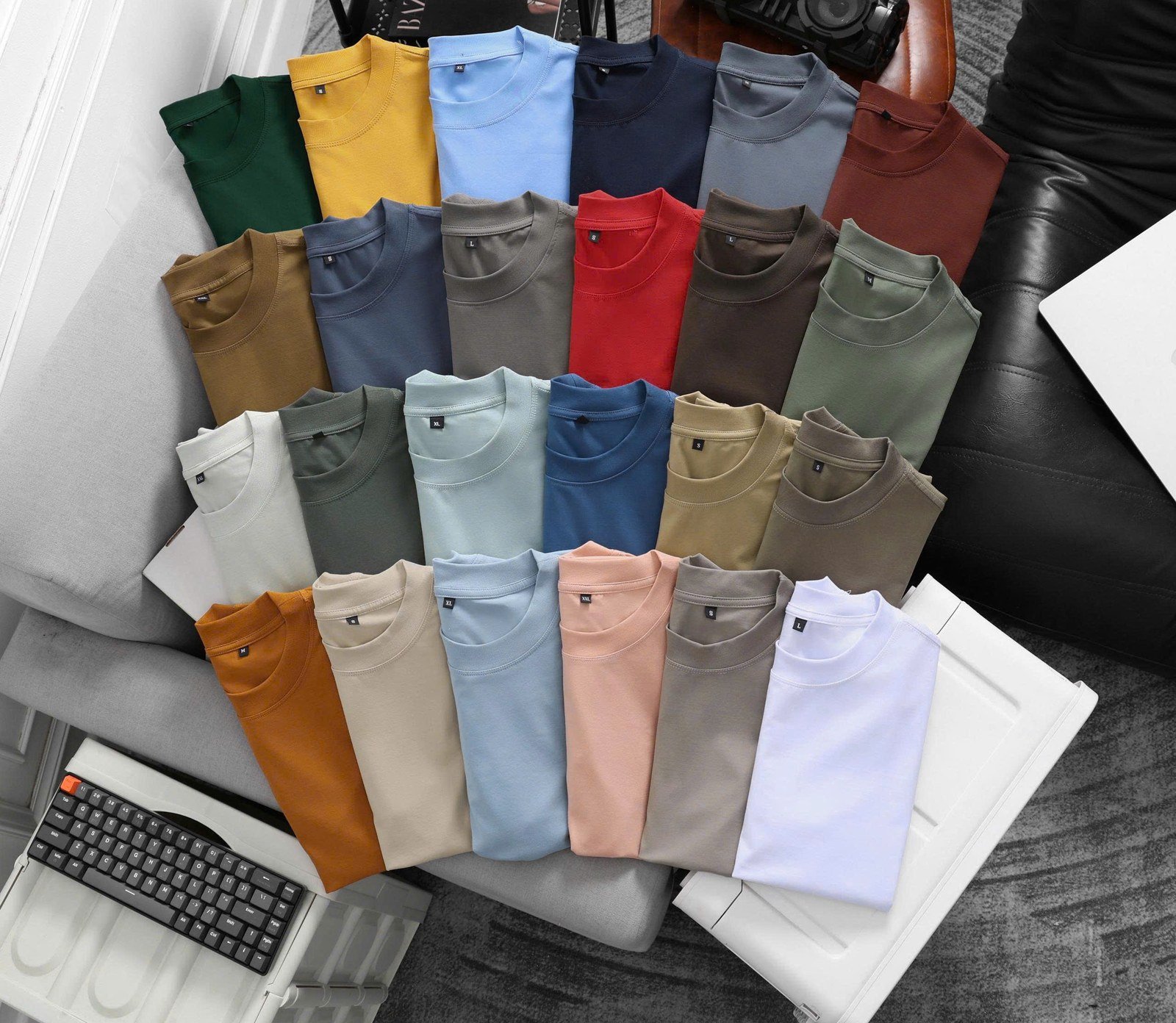
This is the question buyers care about most, and the honest answer is “it depends on the fiber and the certificate,” not a single flat percentage. Based on industry-reported ranges commonly cited by sourcing agencies and fabric mills, buyers can generally expect the following patterns, though actual pricing should always be confirmed against a specific fabric lot and current market rates:
- GOTS-certified organic cotton fabric is commonly reported to carry a premium over conventional cotton fabric, reflecting both the higher cost of certified organic fiber and the cost of maintaining chain-of-custody certification through spinning and dyeing.
- OCS-certified organic cotton typically costs less than full GOTS cotton, since it does not carry the same processing and chemical restrictions.
- GRS-certified recycled polyester is often reported as close to, or only modestly above, virgin polyester pricing in categories where recycled yarn is well-established, such as fleece and knit mesh.
- BCI cotton usually carries little to no fabric premium over conventional cotton, since it is a farming-practice verification rather than a different fiber.
- Certification and testing fees (GOTS transaction certificates, OEKO-TEX testing) are typically charged per order or per fabric lot and should be quoted as a separate line item, not buried inside the per-piece garment price.
A useful sourcing practice is to request two parallel quotes from the same factory — one in conventional fabric, one in the certified sustainable equivalent — for the identical garment spec. This isolates the true fiber premium from the factory’s normal CMT (cut-make-trim) margin and makes the cost difference transparent rather than embedded in a single bundled price.
MOQ for Organic and Recycled Fabric Orders
Minimum order quantities for sustainable fabric orders tend to run higher than for conventional fabric, because certified mills produce organic and recycled yarn in dedicated production runs rather than pulling from open stock. At AT Garment Factory, standard OEM branded production starts at 200 pieces per style/colorway, with bulk production scaling from 2,000 pieces up to hundreds of thousands per month; certified organic or GRS-recycled fabric orders generally need to align with the mill’s minimum fabric run, which is typically higher than the garment MOQ itself and should be confirmed at the fabric-sourcing stage before finalizing a purchase order. Buyers testing a new sustainable line for the first time often start with a smaller pilot run in a widely-stocked certified fabric (such as OCS cotton jersey) before committing to a larger order in a less common certified fiber.
Low-Impact Dyeing and Finishing Techniques
Fiber choice is only half the sustainability picture — dyeing and finishing is typically the most water- and energy-intensive stage of garment production, and Vietnam’s dye houses now offer several lower-impact alternatives to conventional reactive dyeing.
- Water-saving reactive dyeing (low liquor-ratio machines) — newer dyeing machinery uses a lower water-to-fabric ratio than older equipment, reducing water and energy consumption per kilogram dyed without changing the dye chemistry itself.
- Wastewater treatment and recycling — certified and larger dye houses operate on-site effluent treatment plants and, increasingly, closed-loop water recycling systems; this is worth confirming directly, as treatment capability varies significantly between large industrial dye houses and smaller subcontracted dye shops.
- Natural and botanical dyeing — a smaller-scale option using plant-derived dyestuffs, typically reserved for premium or limited-edition product lines due to higher cost, longer processing time, and less color consistency than synthetic dyes.
- Digital/pigment printing for graphics — for printed designs rather than solid-dyed garments, pigment and digital printing generally use less water than traditional screen-printing wash-off processes, though screen printing remains more cost-effective at high volumes with few colors.
Buyers should ask a prospective factory or dye house directly which of these systems they operate, and request to see the wastewater treatment certificate rather than taking a verbal claim at face value.
Packaging and Trims: Closing the Sustainability Loop
A garment made from certified organic cotton loses much of its sustainability credibility if it ships in a virgin-plastic poly bag with a non-recyclable hang tag. Packaging and trims are a smaller line-item cost but a highly visible part of the finished product, and increasingly a compliance requirement for EU-bound shipments under evolving packaging-waste regulations.
- Recycled or biodegradable poly bags — replacing virgin LDPE poly bags with recycled-content or compostable alternatives, now widely available from Vietnam packaging suppliers.
- FSC-certified paper hang tags — hang tags and inserts sourced from Forest Stewardship Council-certified paper stock, a common requirement from EU retailers.
- Recycled or organic cotton woven labels — matching the sustainability positioning of the garment through to the neck label and care label.
- Carton fill-rate optimization — right-sizing export cartons to reduce void fill and improve container utilization, which lowers both packaging waste and per-unit freight cost.
These trims should be specified in the tech pack from the first sample round, not added as an afterthought at bulk production — retrofitting sustainable packaging after tooling and sourcing are locked in usually costs more and delays shipment.
How to Verify a Factory’s Sustainability Claims (Avoid Greenwashing)
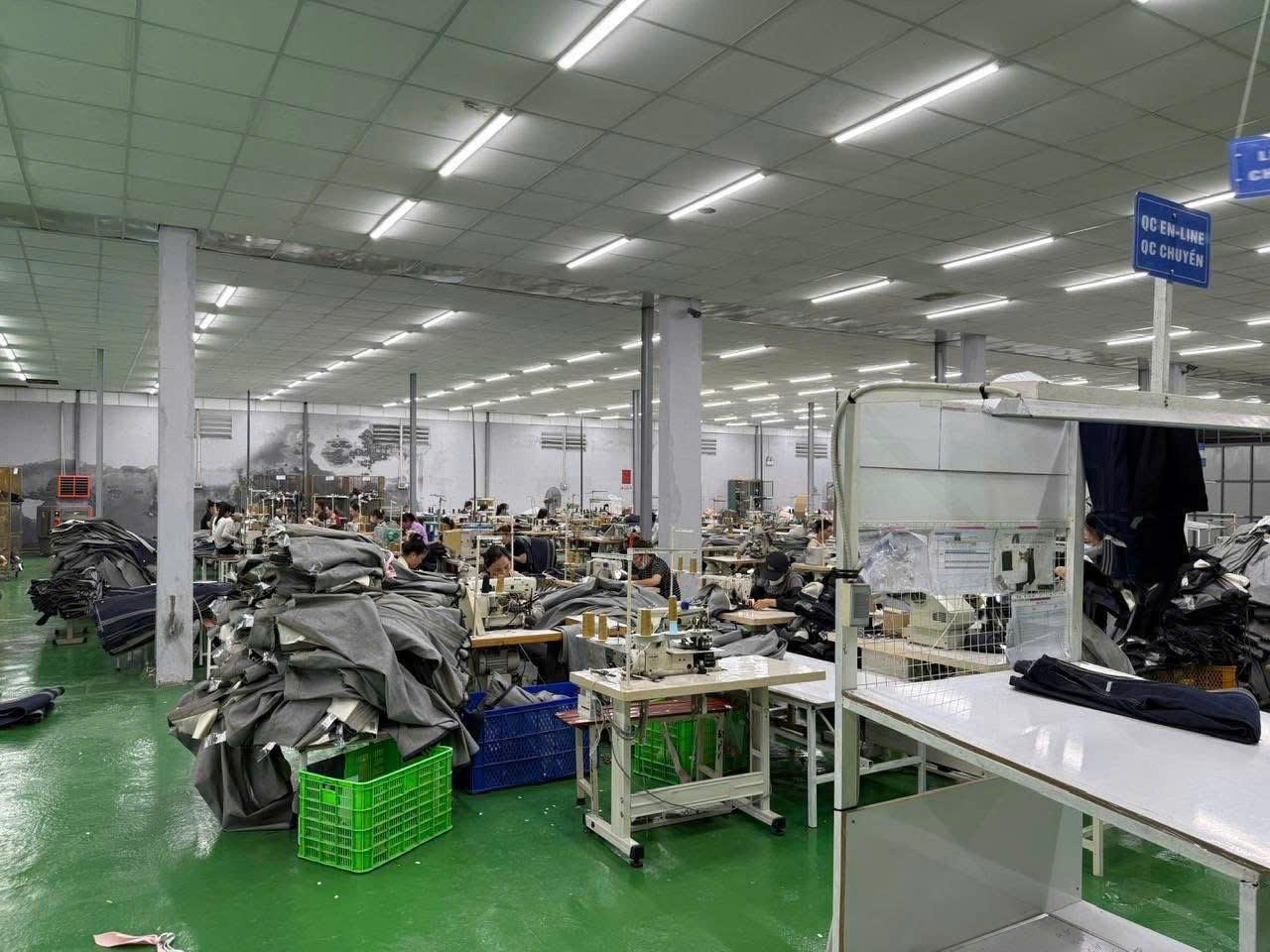
Sustainability claims in garment sourcing are, unfortunately, easy to overstate and hard for a buyer to verify remotely. The following checklist separates factories with genuine, documentable sustainability practices from those using the language loosely:
- Ask for the actual certificate PDF (GOTS, OCS, or GRS transaction certificate) with a scope statement, license number, and expiry date — not just a logo on a company profile or website.
- Verify the certificate directly against the certifying body’s public database (Textile Exchange for OCS/GRS, or the relevant GOTS-approved certifier) rather than trusting the document alone.
- Confirm the certificate covers the specific fabric mill and processing stage used for your order, since certification is chain-of-custody-specific and does not automatically extend to every supplier a factory works with.
- Ask whether the certification applies to 100% of the garment or only a stated percentage of blended fiber content, and request that percentage be disclosed on the product label.
- Request a wastewater treatment certificate from the dye house separately from the fabric’s fiber certification — the two are independent and both matter.
- Be cautious of vague marketing terms with no certificate behind them, such as “eco-friendly,” “green,” or “natural,” used without a named, verifiable standard.
A factory that hesitates to provide certificate documentation, or that cannot name which certifying body issued it, is a signal to slow down and ask more questions before committing to a bulk order. This same due-diligence approach applies broadly when vetting any overseas factory — see our related guide on common mistakes to avoid when working with overseas factories.
Step-by-Step: Placing Your First Sustainable OEM Order
- Define which of the four sustainability areas matters most to your brand — fiber, processing, social compliance, or packaging — since this determines which certificate to request first.
- Request certificate documentation before sending a tech pack, and verify it against the certifying body’s database as described above.
- Ask for two parallel quotes — conventional fabric and certified sustainable fabric — for the same garment spec, to see the true cost delta.
- Confirm MOQ for the specific certified fabric lot, which may be higher than the factory’s standard garment MOQ.
- Specify sustainable packaging and trims in the tech pack from the first sample round, not after bulk production is confirmed.
- Order a pre-production sample in the certified fabric and inspect hand-feel, color consistency, and labeling before approving bulk cutting.
- Request the fabric lot’s transaction certificate be issued against your specific purchase order, so the documentation is traceable to your shipment if a retailer or customs authority ever asks for proof.
For a broader walkthrough of the ordering process itself — sampling, deposits, lead times, and shipping — see our complete buyer’s guide to ordering custom clothing from a Vietnam factory.
AT Garment Factory’s Approach to Sustainable Production
AT Garment Factory is based in Binh Tan District, Ho Chi Minh City, with production capacity of over 100,000 pieces per month across OEM, ODM, and private label programs. We source certified organic cotton, OCS-verified cotton, and GRS-certified recycled polyester through our fabric mill partners on a per-order basis, matched to each buyer’s certification requirement rather than carrying a single fixed “eco line.” Because certified fabric sourcing involves working directly with certifying-body-verified mills, we recommend buyers raise sustainability requirements at the initial inquiry stage, alongside product spec and target MOQ, so fabric lead time can be planned correctly from day one. This applies equally to programs run under private label and white label arrangements — see our related guide on private label clothing manufacturing in Vietnam — and to bulk wholesale programs, covered in our factory-direct wholesale buying guide.
Quality control on certified fabric orders follows the same inline and final inspection process used across all AT Garment production — detailed in our quality control guide — with the additional step of verifying fabric lot certificates against the cutting ticket before bulk cutting begins.
FAQ: Sustainable Clothing Manufacturing in Vietnam
Is organic cotton clothing more expensive to manufacture in Vietnam?
Generally yes, at the fabric level. GOTS-certified organic cotton fabric commonly carries a meaningful premium over conventional cotton due to certified farming costs and chain-of-custody requirements, while OCS-certified cotton typically costs less than full GOTS. The best way to see the real difference for your specific style is to request parallel quotes in both fabrics.
What is the difference between GOTS and OCS certification?
GOTS certifies the entire supply chain, including which dyes and chemicals may be used at every processing stage. OCS only verifies the percentage of organic fiber content and tracks chain of custody, without regulating processing chemicals. GOTS is more rigorous and more expensive to maintain; OCS is faster and cheaper to obtain.
Can a Vietnam factory produce GRS-certified recycled polyester hoodies?
Yes. GRS-certified recycled polyester fleece and mesh are increasingly available from Vietnam-based knitting mills, and are a common choice for hoodies, sweatshirts, and sportswear where recycled content claims are marketed to end consumers.
How do I verify a supplier’s sustainability certificate is real?
Request the actual certificate PDF with license number and expiry date, then check it against the certifying body’s public database (Textile Exchange for OCS and GRS, or the relevant GOTS-approved certification body) rather than relying on the document or a logo alone.
Does a BSCI or WRAP certificate mean the fabric is sustainable?
No. BSCI, WRAP, and SA8000 are social-compliance audits of factory labor conditions and safety, entirely separate from fabric sustainability certificates like GOTS, OCS, or GRS. A factory can hold strong social-compliance certification while still using 100% conventional, non-certified fabric.
What is the minimum order quantity for sustainable or organic cotton apparel?
MOQ for certified organic or recycled fabric is generally higher than a factory’s standard garment MOQ because certified mills run dedicated, minimum-batch production for certified yarn. At AT Garment Factory, standard OEM branded orders start at 200 pieces per style/colorway; certified fabric availability and its specific minimum should be confirmed at the fabric-sourcing stage for your chosen fiber and certification.
Conclusion
Sustainable manufacturing in Vietnam is no longer a niche request — it is becoming a standard line item on purchase orders from EU, US, and UK buyers, and a genuine differentiator for brands selling through Amazon and TikTok Shop’s growing sustainability-conscious customer base. The buyers who get the best results are the ones who ask precise questions — which certificate, which fabric lot, which processing stage — rather than accepting a general “we are eco-friendly” claim. Treat sustainability the same way you would treat any other technical spec: document it, verify it, and build it into your tech pack and purchase order from the first sample round.
If you’re evaluating a sustainable or organic cotton production run — whether it’s a pilot batch of GOTS t-shirts or a full GRS-recycled hoodie line — AT Garment Factory can quote both conventional and certified-fabric options side by side so you can see the real numbers before committing.
Ready to discuss a sustainable production order? Email us at thanhtung113123@gmail.com, message us on WhatsApp, or reach us on Zalo. You can also browse our full product range or learn more about our OEM/ODM services, or contact our team directly.