
If you sell leggings, sports bras, gym tanks, or team activewear, sourcing decisions can make or break your margins. This guide breaks down what a sportswear manufacturer in Vietnam actually offers — OEM vs. ODM, realistic MOQs, the fabrics that matter for performance wear, and the questions to ask before you commit a deposit — so you can compare factories with the same criteria a sourcing manager would use.
Table of Contents
- Why Vietnam Is Becoming a Top Sourcing Hub for Sportswear Brands
- OEM vs. ODM vs. Private Label: What They Mean for Activewear
- What a Vietnam Sportswear Factory Can Actually Produce
- Performance Fabrics That Matter for Activewear
- MOQ and Cost: What to Realistically Expect
- From Sample to Bulk Order: The Production Timeline
- Quality Control Standards for Activewear Production
- Vietnam vs. Other Sourcing Countries for Sportswear
- Sustainability and Compliance Considerations
- Common Mistakes Brands Make When Sourcing Activewear
- Why Brands Choose AT Garment Factory for Sportswear Production
- Frequently Asked Questions
- Conclusion: Your Next Step
Why Vietnam Is Becoming a Top Sourcing Hub for Sportswear Brands
A decade ago, “activewear manufacturer” almost always meant a factory in China. That has shifted. Rising labor costs in China, tariff diversification strategies, and a maturing textile ecosystem in Vietnam have pushed a large share of global sportswear production south. Industry trade reports commonly cite Vietnam as the world’s second-largest garment and textile exporter after China, with a workforce of several million people employed directly in textile and garment manufacturing.
What matters more to a brand owner than macro trade statistics is who is already producing there. Sourcing guides and factory directories covering the activewear category commonly list global sportswear names — including Nike, Adidas, Puma, Under Armour, Lululemon, Gymshark, Decathlon, and The North Face — as having activewear or footwear production lines in Vietnam. That doesn’t mean a small or mid-size brand gets the same factory floor as Nike, but it does mean the supply chain for technical fabrics, elastic trims, moisture-wicking finishes, and flatlock/coverstitch sewing equipment is mature and accessible, not experimental.
For a brand comparing sourcing countries, Vietnam tends to land in a specific spot: better quality consistency and IP protection than most Bangladesh or Pakistan suppliers at comparable price points, and meaningfully lower cost and MOQs than sourcing directly from a Tier-1 China activewear factory built for million-unit programs. If you haven’t already, it’s worth reading our breakdown of Vietnam vs. China for clothing manufacturing for the fuller cost and lead-time comparison.
OEM vs. ODM vs. Private Label: What They Mean for Activewear
Every activewear sourcing conversation eventually runs into these three terms, and getting them confused wastes weeks of back-and-forth with a factory.
OEM (Original Equipment Manufacturer) means you bring your own tech pack, pattern, and spec sheet, and the factory manufactures to that exact specification. This is the standard route for a brand that already has a designer or has developed a fit they want replicated at scale — a specific legging compression level, a particular sports bra strap construction, or a proprietary color-blocked trackpant.
ODM (Original Design Manufacturer) means the factory contributes design and development — you pick from an existing style library or a factory’s in-house designer adapts a concept, and the factory owns more of the technical pattern work. ODM is faster and cheaper to get to market but gives you less exclusivity, since factories often reuse base blocks across multiple client brands with only the branding, colorway, or print changed.
Private label / white label sits closer to ODM — you’re branding an existing blank or near-blank product (a plain gym tank, a basic legging block) with your own labels, hangtags, and packaging, without commissioning custom pattern development. This is the fastest and lowest-MOQ path to launching an activewear line, and it’s the model most new Amazon and TikTok Shop sportswear brands start with before graduating to full OEM once volume justifies it.
For a deeper side-by-side comparison with cost and control trade-offs, see our dedicated guide on OEM vs. ODM: which garment manufacturing model is right for your brand, and our overview of private label clothing manufacturing in Vietnam if you’re launching your first collection.
What a Vietnam Sportswear Factory Can Actually Produce
“Sportswear manufacturer” covers a wide range of construction techniques, so it’s worth being specific about what a factory line is actually set up to handle. At AT Garment Factory, activewear and athleisure programs typically fall into these categories:
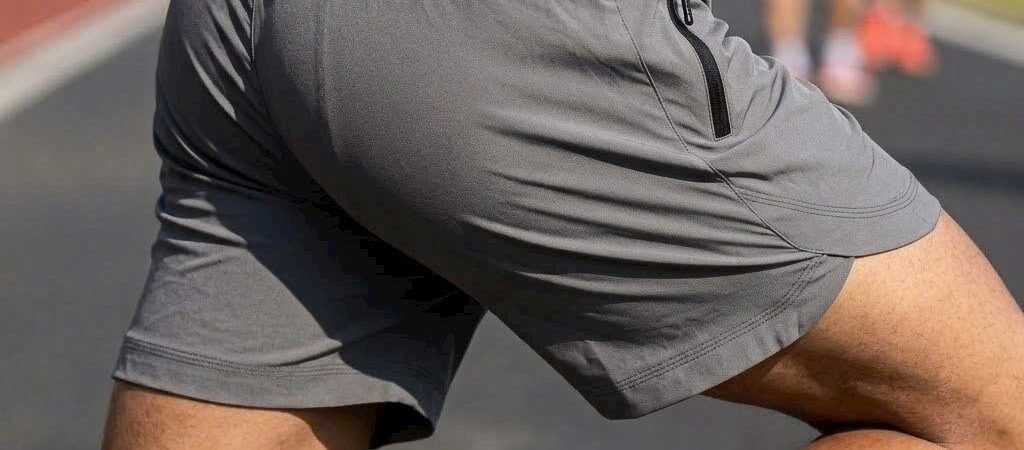
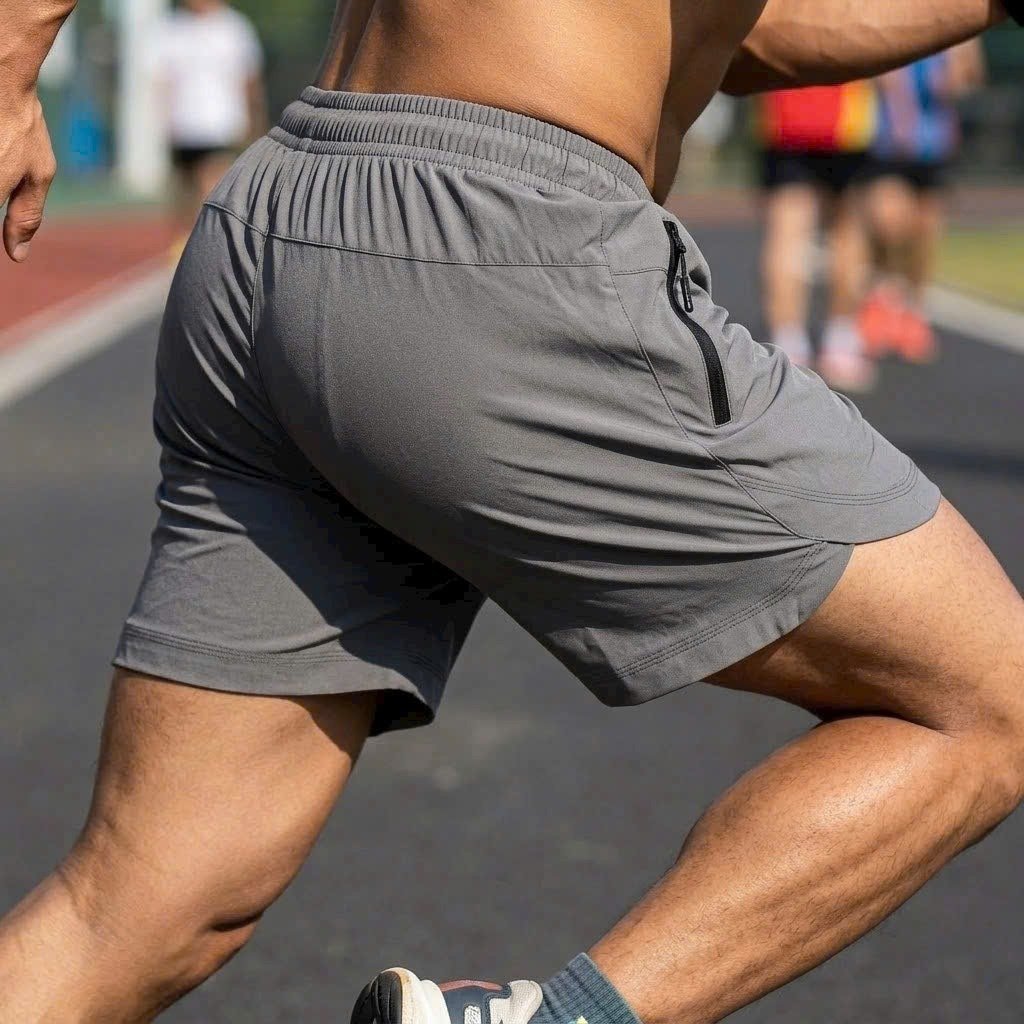
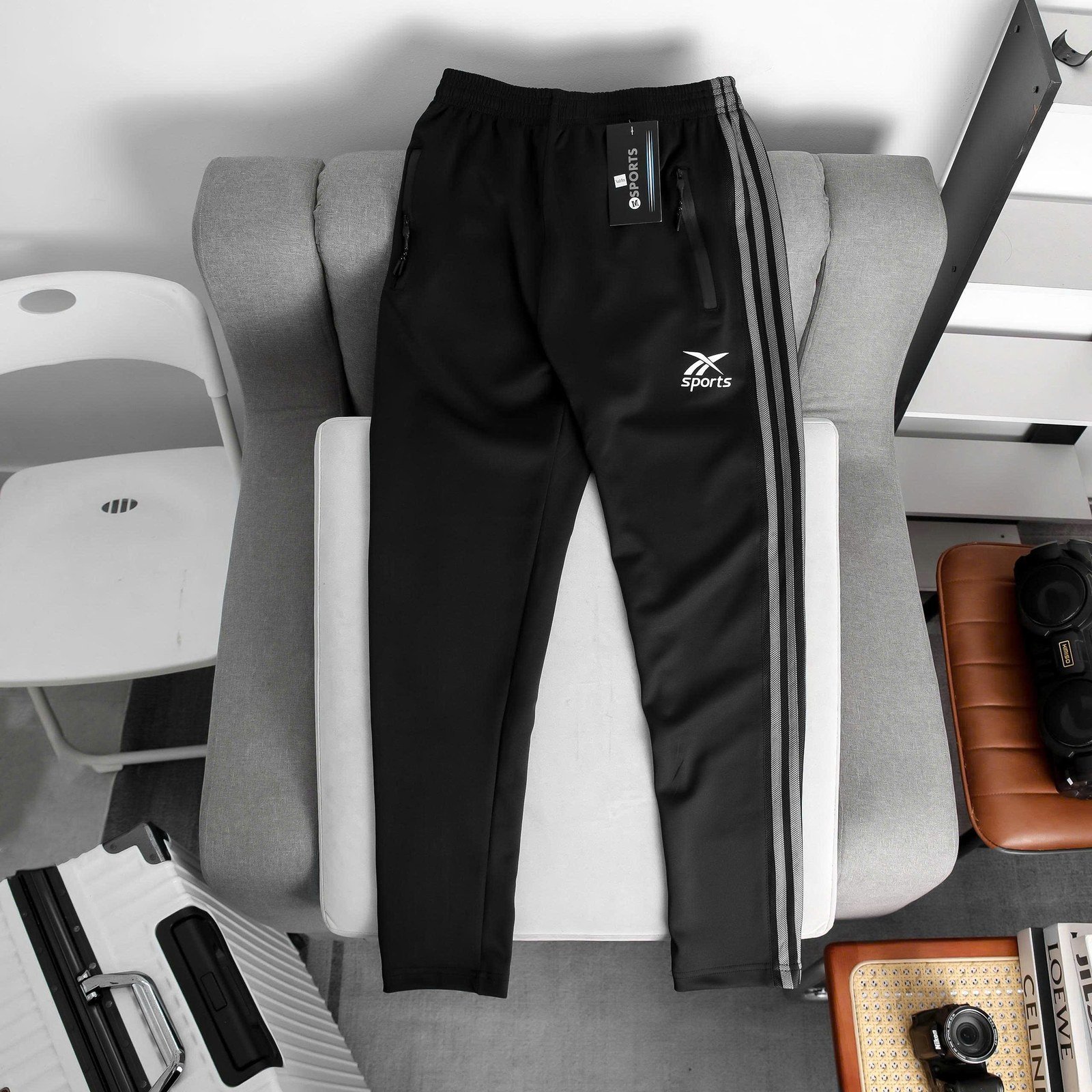
- Bottoms: leggings, biker shorts, athletic shorts, joggers, and trackpants in compression, four-way stretch, and relaxed-fit constructions.
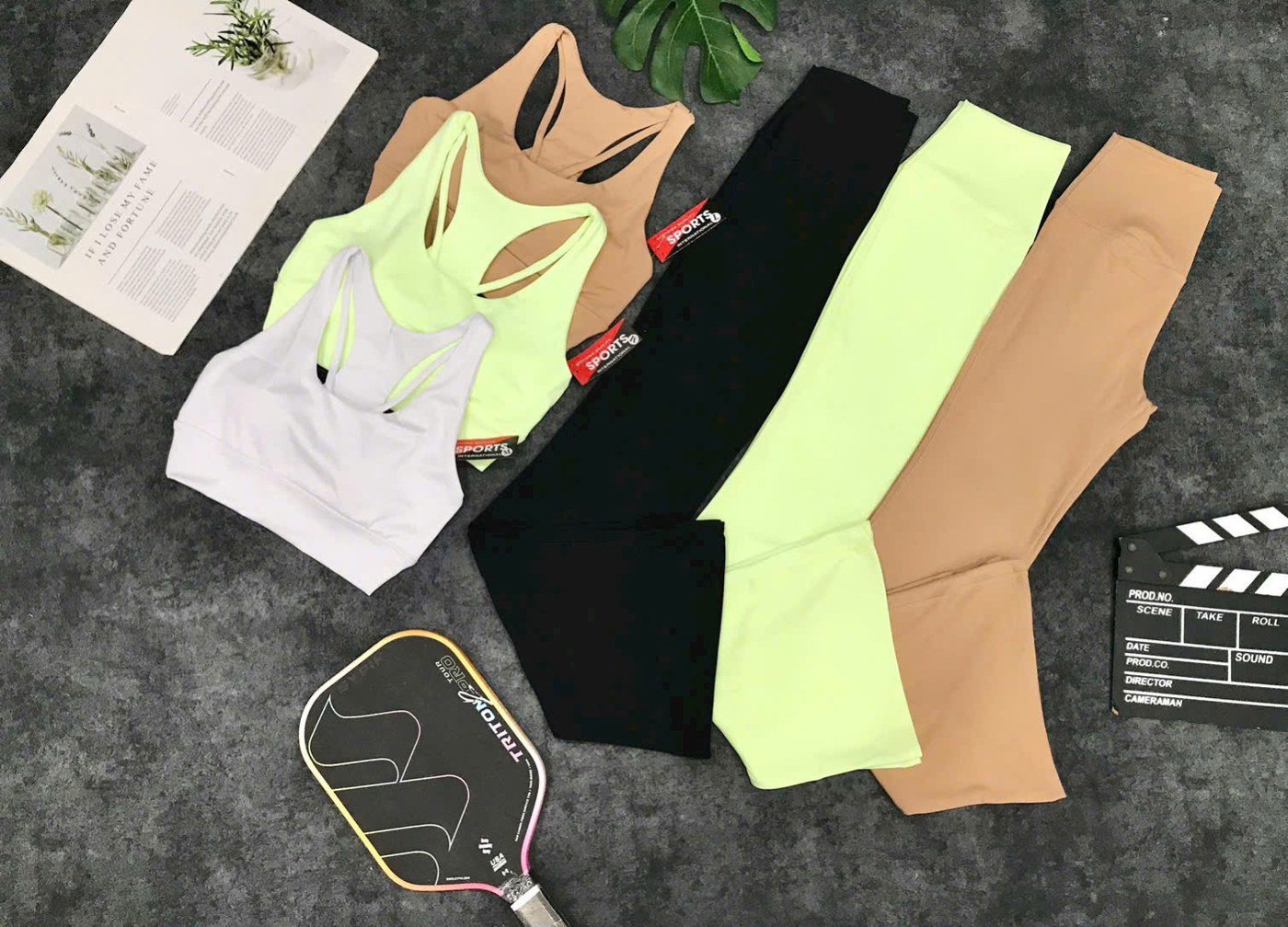
- Tops: gym tanks, racerback tops, performance tees, long-sleeve training tops, and zip-up training jackets.
- Sports bras: low, medium, and high-support builds, typically using bonded or flatlock seam construction.
- Layering pieces: hoodies and sweatshirts in fleece-back or French terry, popular with streetwear-adjacent activewear and gym-to-street crossover brands.
- Team and club sets: matching sportswear sets for gyms, studios, sports clubs, and corporate wellness programs, often ordered alongside our uniform manufacturing line.
Sublimation printing, screen printing, and embroidery are all available for logo and pattern application, which matters if your line depends on all-over prints (common in yoga and dance-adjacent activewear) rather than solid colorways.
It’s worth asking any prospective factory directly which of these categories they produce in volume today versus which they’d be willing to try for the first time on your order. A factory that primarily runs basic T-shirt and polo lines can usually sew a simple jogger, but bonded-seam sports bras and compression leggings require different machinery (flatlock and coverstitch units, in some cases bonding presses) and pattern-grading experience for stretch fabric. Asking for reference photos or a sample of a comparable product they’ve previously produced — not just their general catalogue — is a fast way to confirm real capability before you commit development time.
Performance Fabrics That Matter for Activewear
Fabric selection is where most first-time activewear brands underinvest — and where quality problems (pilling, sagging leggings, see-through fabric under stretch) usually originate. A competent sportswear manufacturer should be able to source and explain trade-offs across these fabric families:
- Polyester/spandex blends (typically 75–90% polyester, 10–25% spandex): the default for leggings and sports bras, chosen for four-way stretch and shape retention.
- Nylon/spandex blends: softer hand-feel and better moisture management than polyester blends, commonly used in premium legging lines, at a higher fabric cost.
- Recycled polyester (rPET): increasingly requested by brands targeting sustainability-conscious buyers; industry sourcing reports note rPET now accounts for a meaningfully growing share of activewear fabric orders in Vietnam as recycling infrastructure and certification (such as GRS) has expanded.
- French terry and fleece-back cotton/poly blends: used for hoodies, sweatshirts, and joggers that blend into athleisure or streetwear positioning.
- Mesh and ventilated panel fabrics: inserted into high-heat-zone areas (underarms, lower back) on performance tops and training jackets.
A factory that can only quote “polyester spandex” without specifying GSM (fabric weight), stretch percentage, and recovery rate is usually not set up for technical activewear — this is a useful screening question when comparing suppliers.
MOQ and Cost: What to Realistically Expect
Minimum order quantity is the single biggest gatekeeper for new and small activewear brands, and it varies enormously between Vietnam factories depending on their target client size. Public sourcing guides and factory directories for Vietnam activewear commonly report a wide spread:
- Large full-package activewear factories built for established international brands commonly quote MOQs around 3,000 units per design, with underwear and intimates-adjacent categories sometimes requiring 5,000–10,000 units per style.
- Mid-size factories oriented toward growing DTC and wholesale brands commonly quote MOQs in the 600–800 units per style/color range.
- Smaller-batch or private-label-friendly factories can go as low as roughly 200 units per style, usually restricted to simpler blank or lightly customized products rather than full technical development.
AT Garment Factory positions itself for the brands sitting between “just starting out” and “ready for a 3,000-unit program.” Our standard tiers scale with how customized the order is: MOQs start around 50 pieces for blank, unbranded product, roughly 100 pieces once printing is added, around 200 pieces for fully OEM-branded orders, and from 2,000 pieces for larger multi-style bulk programs such as club sportswear sets or corporate activewear uniforms. Total factory capacity runs at 100,000+ pieces per month, so a brand that starts small has room to scale production without switching suppliers as volume grows.
Cost, unsurprisingly, moves in the opposite direction from MOQ: smaller runs and more complex construction (bonded seams, multi-panel mesh, custom prints) push unit cost up, while simpler blank product at higher volume brings it down. Any factory that quotes a single flat per-piece price without asking about fabric composition, print method, and order volume is not giving you a real number.
As a rough framework, industry sourcing guides for Vietnam-made activewear commonly place basic blank leggings or gym tanks in a lower per-unit cost band at higher volumes, with bonded-seam sports bras, multi-panel mesh training tops, and heavily printed or sublimated pieces sitting meaningfully higher due to extra labor time and material waste. Freight, import duty, and payment terms (typically a deposit at order confirmation with the balance due before shipment) sit on top of the factory-gate unit price, so always ask for an FOB (free on board) quote rather than assuming the quoted number is landed cost in your home market.
From Sample to Bulk Order: The Production Timeline
A typical activewear development cycle with a Vietnam-based OEM/ODM manufacturer runs through five stages:
- 1. Tech pack and fabric sourcing review (3–7 days): the factory confirms your spec, sources or matches fabric, and flags anything technically infeasible before committing to a sample.
- 2. Sample development (7–14 days): a first proto sample is cut and sewn for fit and construction review; most brands go through one to two rounds of revisions.
- 3. Pre-production sample and bulk fabric booking (5–10 days): once fit is approved, bulk fabric is ordered and a pre-production sample confirms the final construction matches what will be mass-produced.
- 4. Bulk production (2–5 weeks depending on order size): cutting, sewing, and finishing run on the factory floor, with quality checkpoints at each stage.
- 5. Final inspection, packing, and shipment: finished goods are quality-checked, folded/packed to spec, and prepared for freight.
For a full walkthrough of what documents and decisions you need ready at each stage, see our guide on how to order custom clothing from a Vietnam factory.
Quality Control Standards for Activewear Production
Activewear fails differently than casualwear — a loose thread on a T-shirt is a minor defect, but a mis-stitched seam on a legging under stretch load, or a sports bra with uneven elastic tension, can make the entire piece unsellable. Quality control for sportswear should specifically check:
- Seam strength and elasticity recovery after repeated stretch (flatlock and coverstitch integrity).
- Colorfastness and shrinkage after wash, particularly for dye-heavy or sublimated fabrics.
- Compression consistency across sizes — a common failure point when factories don’t re-grade patterns correctly for stretch fabric.
- Elastic waistband and strap tension uniformity across the full production batch, not just the sample.
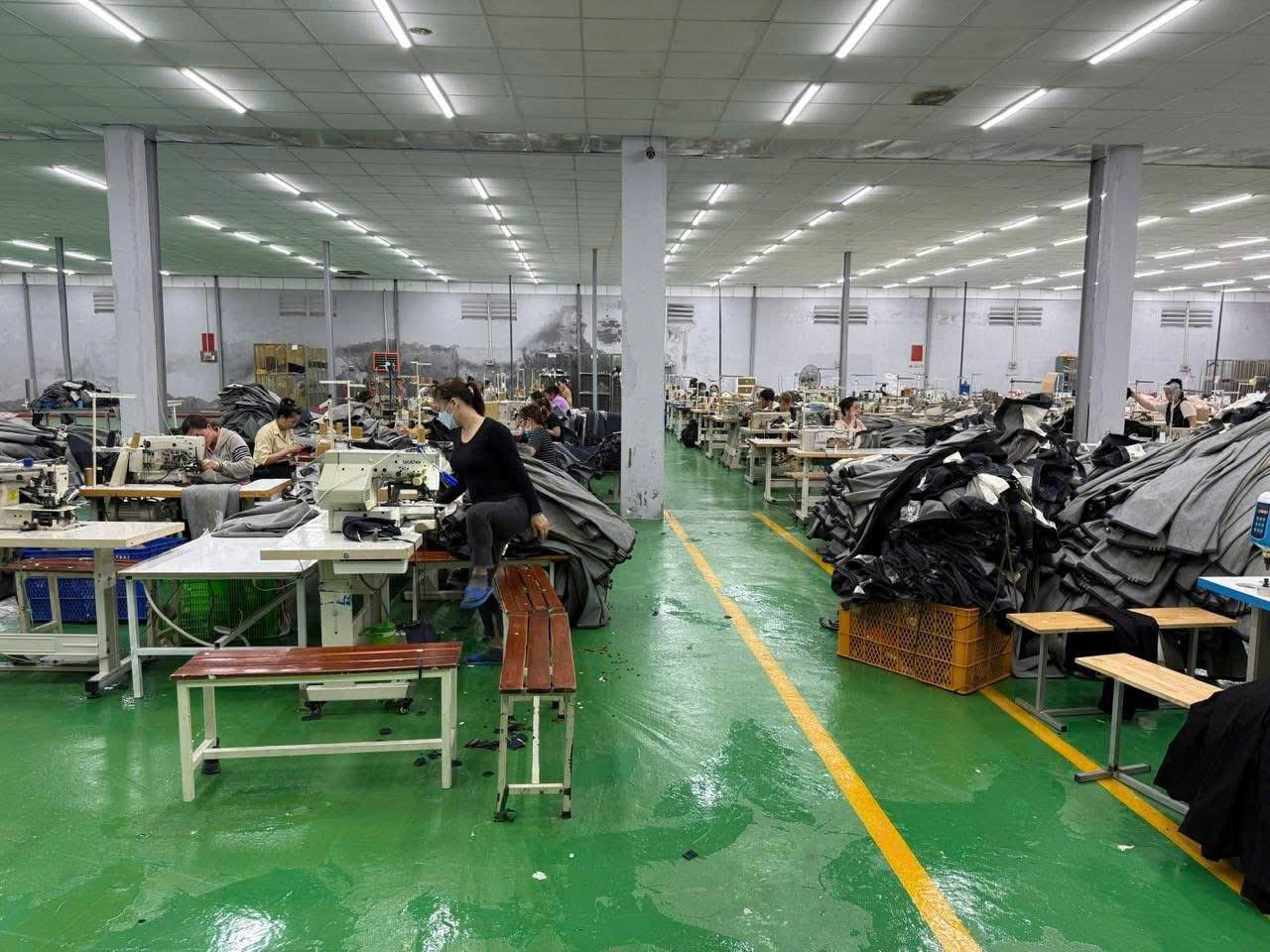
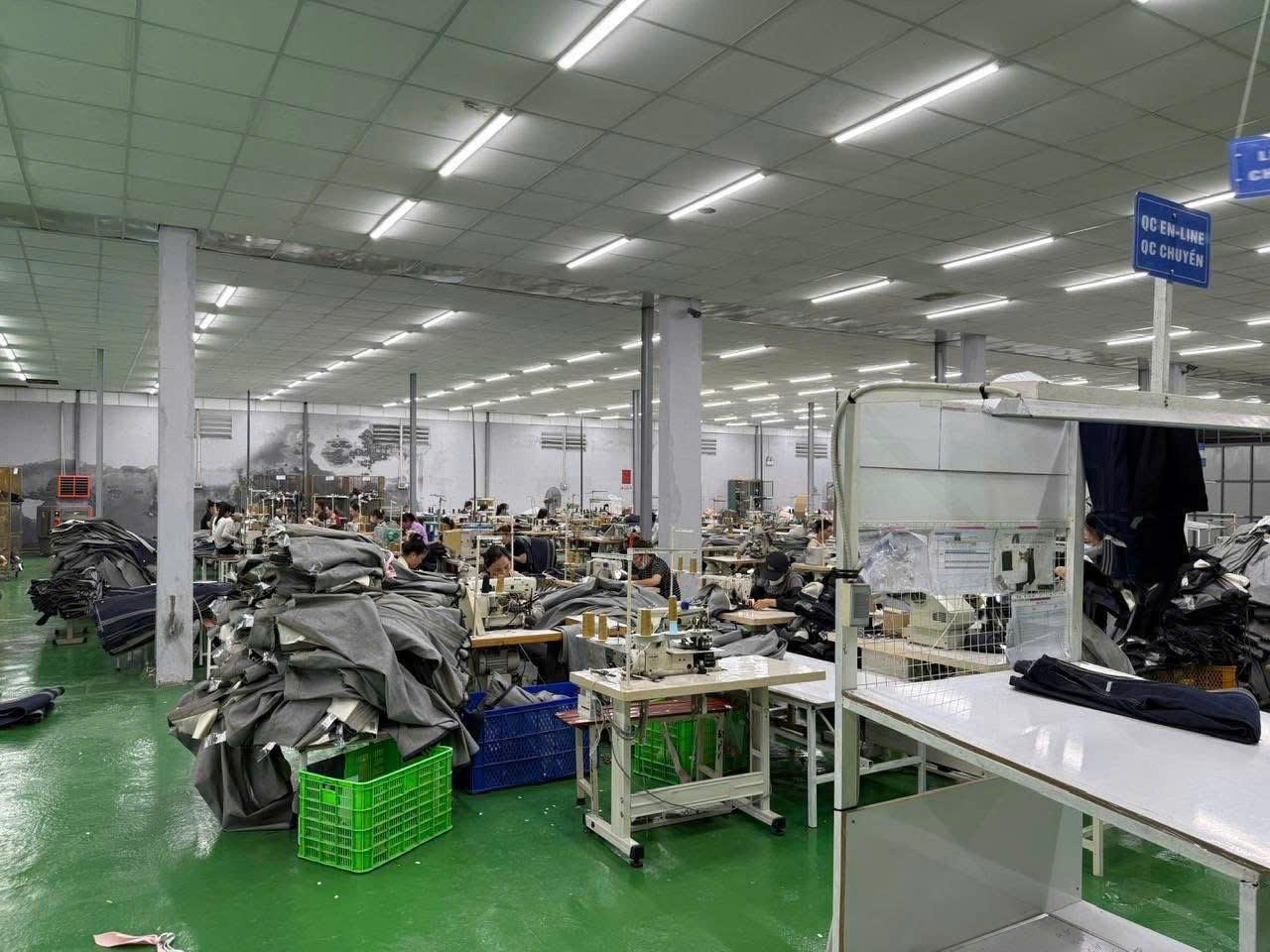
AT Garment Factory runs in-line and pre-shipment inspection checkpoints rather than relying solely on a final spot check, which catches construction issues while they’re still cheap to fix. For the full QC framework we apply across product categories, see our page on Vietnam garment factory quality control.
Vietnam vs. Other Sourcing Countries for Sportswear
Vietnam isn’t the only sourcing option, and it isn’t automatically the right one for every brand. Broadly:
- Vietnam vs. China: China still leads on the most advanced technical fabrics and the very largest production runs, but Vietnam generally offers lower labor cost, competitive quality on mid-complexity activewear, and duty advantages for brands shipping into the US and EU under current trade arrangements.
- Vietnam vs. Bangladesh: Bangladesh can undercut Vietnam on basic knitwear price, but sourcing guides consistently flag more inconsistent quality control and longer lead times for technical, stretch-heavy activewear construction — a category where Vietnam’s more mature technical sewing base has an edge.
- Vietnam vs. Pakistan and India: both have strong denim and woven capability, but a narrower base of factories experienced specifically in bonded-seam, compression-fit activewear compared to Vietnam.
- Vietnam vs. Turkey: Turkey offers faster shipping to the EU and strong knitwear capability, generally at a higher labor cost than Vietnam, making it more competitive for EU brands prioritizing lead time over unit cost.
If cost and lead time to the US market are a priority alongside technical sewing capability, see our detailed comparisons: Vietnam vs. China and Vietnam vs. Bangladesh.
Sustainability and Compliance Considerations
Buyers increasingly ask activewear suppliers about recycled content, chemical compliance, and factory certifications before placing an order — particularly buyers selling into the EU, where extended producer responsibility and textile labeling requirements are tightening. When evaluating a sportswear manufacturer, it’s reasonable to ask for:
- Fabric composition documentation and, where relevant, recycled-content certification (such as GRS) for rPET-based fabrics.
- Confirmation of chemical restricted-substance compliance (commonly referenced against OEKO-TEX or REACH-aligned standards) for dyes and finishes.
- Factory-level social compliance audits, which larger buyers increasingly require before onboarding a new supplier regardless of order size.
Not every factory can produce every certification on demand, and smaller factories may need lead time to pull test reports — this is worth clarifying during the sampling stage, not after bulk fabric is already booked.
It’s also worth separating marketing language from documentation. A factory that says its fabric is “eco-friendly” or “sustainable” without being able to produce a recycled-content percentage, a test report, or a certificate number is making a claim you can’t pass on to your own customers with confidence. For brands selling into markets with growing green-claims scrutiny, asking for paperwork upfront — not after the product is already listed — protects both your supply chain and your marketing copy.
Common Mistakes Brands Make When Sourcing Activewear
Most activewear sourcing problems trace back to a handful of avoidable mistakes:
- Skipping a pre-production sample to save a week, then discovering the bulk fabric doesn’t match the approved proto sample’s stretch and recovery.
- Choosing a factory by price alone without confirming they’ve actually produced compression or bonded-seam activewear before, not just T-shirts and hoodies.
- Under-specifying fabric GSM and stretch percentage, leaving the factory to make assumptions that don’t match your fit model.
- Not budgeting for a second sample round — activewear fit corrections (especially on leggings and sports bras) very often need at least one revision.
These issues aren’t unique to activewear — they show up across categories. Our broader breakdown of common mistakes when working with overseas factories covers the sourcing-relationship side of this in more depth.
Why Brands Choose AT Garment Factory for Sportswear Production
AT Garment Factory is a Vietnam-based manufacturer producing polos, T-shirts, activewear and sportswear, kidswear, denim, hoodies, sweatshirts, and uniforms for international importers, distributors, buying offices, and DTC brands — including a growing number of Amazon and TikTok Shop sellers building their own sportswear lines. Our activewear program is built for brands that don’t yet need a 3,000-unit factory but do need consistent construction quality: MOQs starting from 50 pieces on blank product, 100,000+ pieces of monthly capacity to scale into once a style proves out, in-line quality checkpoints rather than a single final inspection, and direct, English-speaking communication with our production team rather than routing through multiple layers of agents.
You can review our full product range on the Products page and our development and production capabilities on the Services page.
Frequently Asked Questions
What is the typical MOQ for a sportswear manufacturer in Vietnam?
It varies by factory size and product complexity. Large full-package activewear factories commonly require around 3,000 units per design, mid-size factories often sit around 600–800 units per style, and smaller-batch-friendly factories can go as low as roughly 200 units. AT Garment Factory’s tiers start at 50 pieces for blank product and scale up from there.
Is Vietnam a good country to manufacture activewear?
Yes, for most brands outside the very largest technical-fabric programs. Vietnam has a mature base of factories experienced in stretch-fabric construction, moisture-wicking finishes, and bonded/flatlock seaming, alongside competitive labor costs and trade advantages for shipments into the US and EU.
What’s the difference between OEM and ODM for sportswear brands?
OEM means you supply your own design and the factory manufactures to your exact spec. ODM means the factory contributes design and pattern development, usually from an existing style library, which is faster and cheaper but offers less exclusivity.
How long does it take to get a sportswear sample from a Vietnam factory?
A first proto sample typically takes 7–14 days after the tech pack and fabric are confirmed, with most brands needing one to two rounds of fit revisions before moving to a pre-production sample.
Can a Vietnam factory produce sustainable or eco-friendly activewear?
Many can, particularly using recycled polyester (rPET) blends, though certification availability (such as GRS) and lead time for documentation vary by factory — this is worth confirming during sampling rather than assuming it’s standard.
What fabrics does AT Garment Factory use for sportswear production?
Our activewear lines commonly use polyester-spandex and nylon-spandex blends for leggings and sports bras, French terry and fleece-back blends for hoodies and joggers, and mesh paneling for ventilated performance tops — matched to your spec sheet and budget.
Conclusion: Your Next Step
Choosing a sportswear manufacturer in Vietnam comes down to matching your order volume and product complexity to a factory that’s genuinely set up for stretch-fabric construction — not just casualwear with a leggings SKU added on. If you’re scoping a new activewear line, or you’ve outgrown a factory that can’t scale past a few hundred units, AT Garment Factory can walk through fabric options, MOQs, and a sample timeline based on your actual designs.
Get in touch to start a conversation about your sportswear program: email thanhtung113123@gmail.com, message us on WhatsApp, or reach us on Zalo. You can also visit our Contact page to send your tech pack and MOQ requirements directly.